Can Students Get Food Stamps?
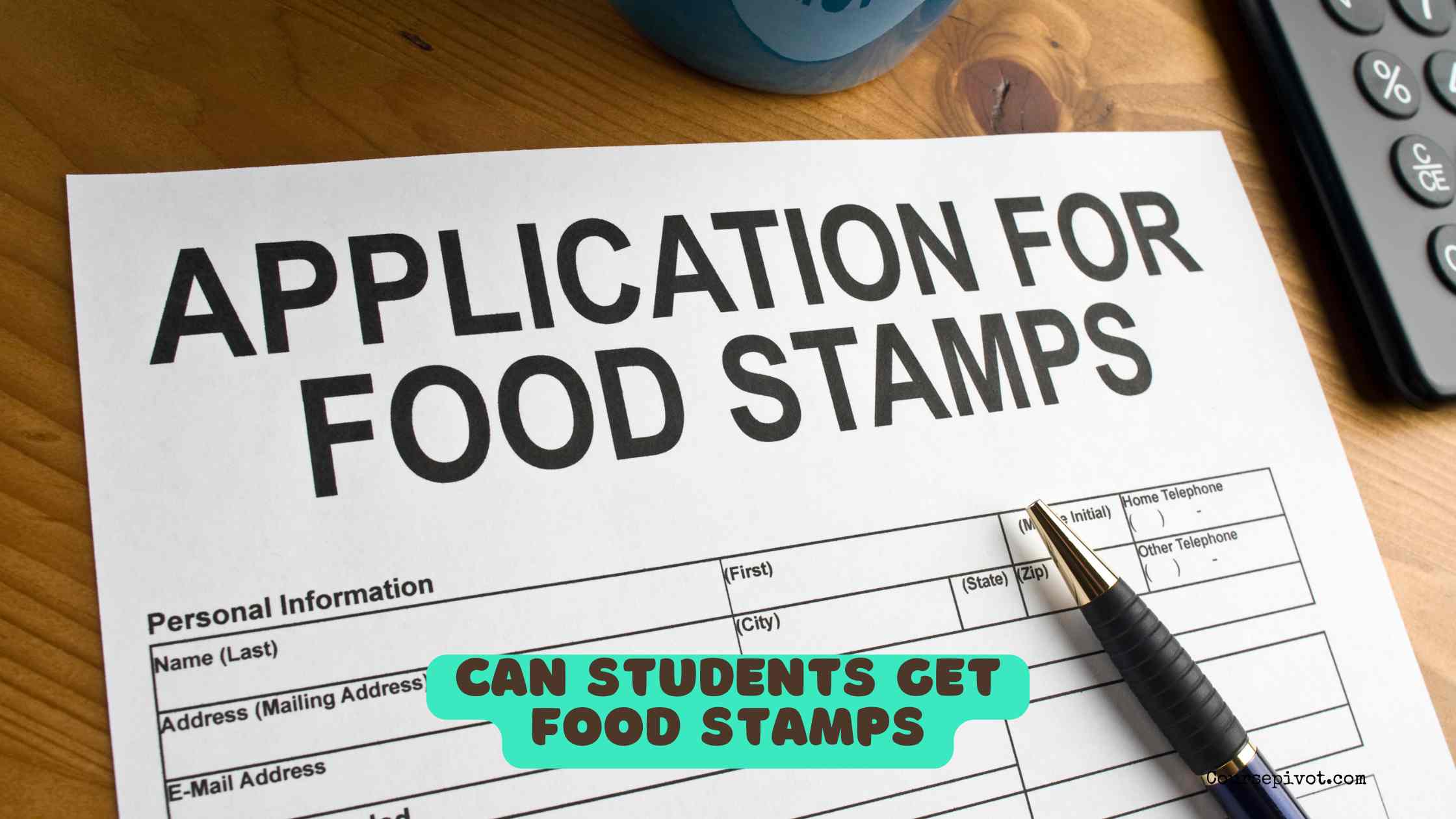
Yes, many students can qualify for SNAP benefits (Supplemental Nutrition Assistance Program, formerly known as food stamps) in 2026, but eligibility depends on age, enrollment status, and specific exemptions. High school students (K-12) face no special restrictions and qualify if their household meets general income rules. College or postsecondary students aged 18–49 enrolled at least half-time in higher education usually need an exemption plus standard requirements.
Table of Contents
SNAP helps low-income individuals and families buy nutritious food via an EBT card. Rules aim to support those in need while encouraging work where possible. As of January 2026, no major federal changes alter student eligibility significantly—COVID-era expansions ended in 2023, and core exemptions remain stable.
SNAP for High School Students (Under 18)
High school students (typically under 18) face no special SNAP student rules. They qualify based on household income and size.
- Minors living with parents or guardians join the household application → Parents’ or guardians’ income counts.
- Emancipated minors, those in foster care, or unaccompanied youth apply independently if they purchase and prepare food separately.
- No age minimum exists → Even young children in eligible households receive benefits.
High school enrollment doesn’t trigger restrictions, unlike college. Many low-income families with school-age children already receive SNAP.
SNAP for College and Postsecondary Students
Students aged 18–49 enrolled at least half-time in an institution of higher education (college, university, trade/vocational school requiring a high school diploma/GED) generally remain ineligible unless they meet an exemption.
The school determines half-time status.
Programs like remedial courses, community education, or workforce training outside regular curriculum don’t count as higher education—students qualify under general rules if income-eligible.
Key SNAP Student Exemptions in 2026
| Exemption Category | Details |
|---|---|
| Age-Based | Under 18 or 50+ years old |
| Work Requirement | Employed at least 20 hours/week (paid or unpaid) |
| Work-Study | Approved for federal or state work-study (even if not working yet) |
| Family Responsibilities | Single parent full-time with child under 12; or caring for child 6–11 without adequate childcare to work/study |
| Public Assistance | Receiving TANF (Temporary Assistance for Needy Families) |
| Employment & Training Programs | Participating in SNAP E&T, WIOA, or similar state/local programs |
| Disability | Physically/mentally unable to work |
Students must also meet general SNAP criteria: low income/resources, U.S. citizenship or qualifying immigration status, etc.
Some states offer additional flexibilities, like expanded CTE program eligibility in New York.
General SNAP Eligibility Basics for 2026
All applicants (including students) must pass these tests:
- Gross Income — Usually ≤130% of federal poverty level (varies by household size).
- Net Income — ≤100% after deductions (e.g., shelter, childcare).
- Resources — ≤$2,750 (or higher for elderly/disabled households).
- Able-bodied adults without dependents (ABAWDs) face 3-month limit in 3 years unless working/training 20+ hours/week (exemptions apply).
Benefits average $200–300/month per person, loaded on an EBT card for groceries.
How to Apply and Check Eligibility
Apply through your state’s SNAP office (online, phone, or in-person). Many states have pre-screeners.
- Provide proof of income, expenses, enrollment, etc.
- College students: Bring proof of work-study approval or work hours.
- Processing takes up to 30 days (faster for emergencies).
Contact your campus food pantry or financial aid office—many help with SNAP applications.
Key Takeaways
- High school students: Yes, easily through household application—no special barriers.
- College students: Yes, if they meet an exemption (e.g., working 20 hours/week, work-study, parenting) and income rules.
- In 2026, rules remain consistent with recent years—focus on exemptions for half-time+ enrollees.
- Millions of eligible students don’t apply due to misconceptions—check today if facing food insecurity.
SNAP supports education by reducing hunger stress. If unsure, apply—it’s free, and denial doesn’t hurt future chances. Your local SNAP office provides the most accurate state-specific guidance.
Cite this article
You can copy and paste your preferred citation format below.
Martin, L. & Arquette, E.. (2026, January 1). Can Students Get Food Stamps?. Coursepivot.com. https://coursepivot.com/blog/can-students-get-food-stamps/
You may also like

Top 10 Reasons why School Days Should be Shorter