
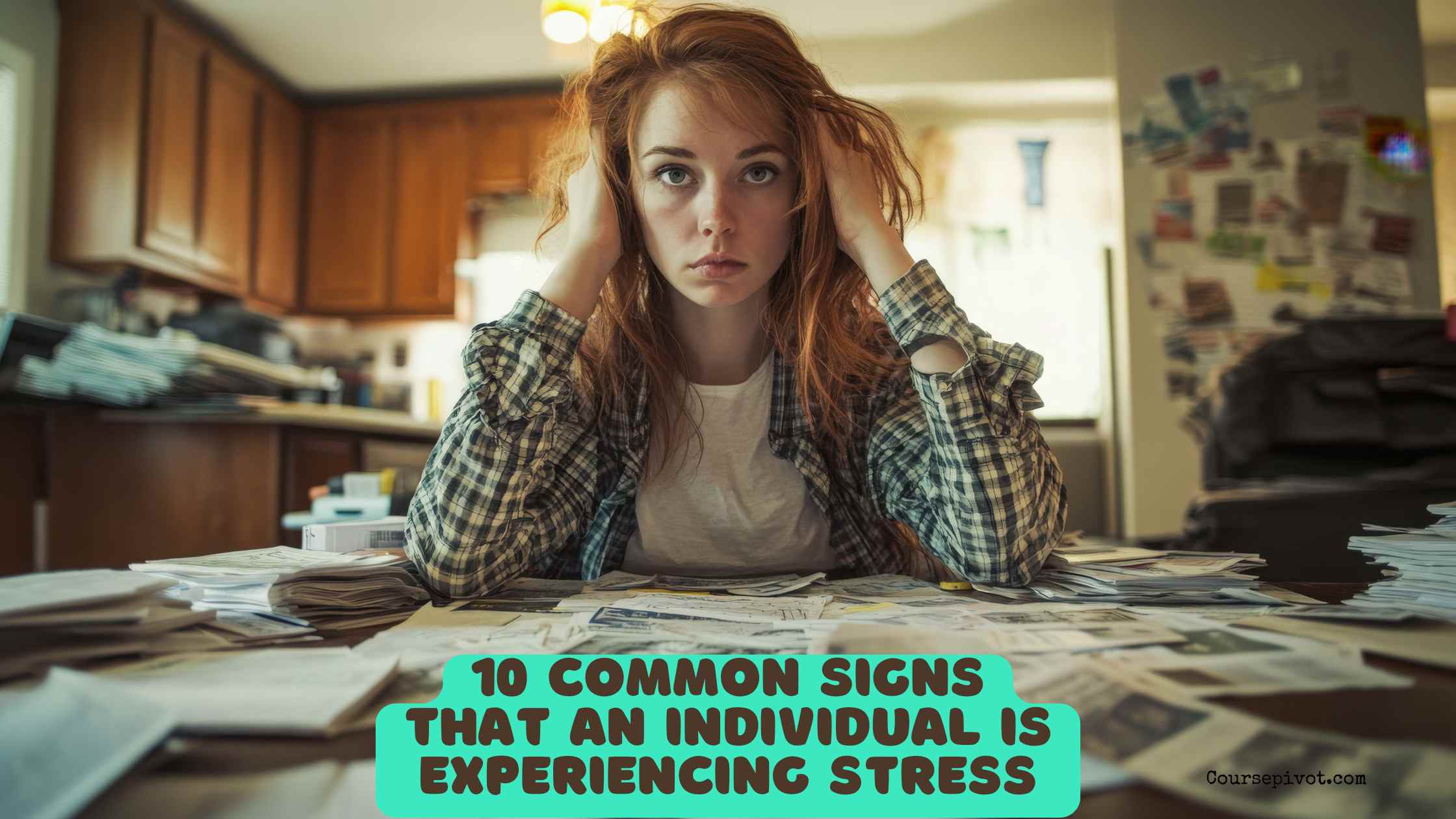
10 Common Signs That an Individual Is Experiencing Stress
Stress has become an almost universal experience in modern life, and as we move through 2026, its prevalence shows no signs of slowing down. With ongoing economic uncertainties, rapid technological changes, hybrid work demands, and global events continuing to unfold, more people report feeling overwhelmed than ever before.
According to recent data from organizations like the American Psychological Association and the World Health Organization, chronic stress affects millions worldwide, contributing to physical illnesses, mental health challenges, and reduced quality of life. Recognizing the early warning signs is the first crucial step toward managing it effectively, preventing escalation into burnout, anxiety disorders, or more serious conditions.
Table of Contents
While everyone experiences stress differently—shaped by personality, life circumstances, and coping mechanisms—experts consistently identify a core set of symptoms across physical, emotional, cognitive, and behavioral domains. These signs often appear in clusters rather than isolation, and their intensity can vary from mild discomfort to debilitating interference with daily functioning.
Understanding these indicators empowers individuals, families, colleagues, and healthcare providers to intervene early through lifestyle adjustments, professional support, or simple self-care strategies. This detailed exploration covers the ten most common signs of stress, drawing from established medical and psychological sources such as Mayo Clinic, Cleveland Clinic, Harvard Health, and Mind.org, to provide actionable insight for better well-being in 2026 and beyond.
1. Persistent Headaches and Muscle Tension
One of the most immediate physical manifestations of stress is frequent headaches, often described as tension-type headaches that feel like a tight band around the head. These occur because prolonged stress triggers the release of hormones like cortisol and adrenaline, causing blood vessels to constrict and muscles to tense up involuntarily. Common accompanying symptoms include pain in the neck, shoulders, jaw, and lower back, sometimes leading to clenched teeth or grinding during sleep.
Many people dismiss these aches as minor annoyances from poor posture or screen time, but when they recur regularly without clear physical cause, stress is frequently the underlying culprit. Over time, untreated muscle tension can contribute to chronic pain conditions or migraines, significantly impacting productivity and enjoyment of daily activities. Recognizing this pattern early allows for interventions like stretching, massage, or relaxation techniques to break the cycle.
2. Chronic Fatigue and Low Energy Levels
Feeling perpetually exhausted, even after a full night’s sleep or a weekend of rest, ranks among the hallmark signs of ongoing stress. This fatigue stems from the body’s constant “fight-or-flight” activation, which depletes energy reserves and disrupts restorative processes. Unlike normal tiredness from physical exertion, stress-related fatigue often feels overwhelming and unrefreshing, leaving individuals struggling to complete routine tasks.
This low energy can create a frustrating paradox: the more stressed someone becomes, the less capable they feel of addressing stressors, leading to procrastination or avoidance. In severe cases, it mimics symptoms of depression or thyroid issues, underscoring the importance of consulting healthcare professionals when fatigue persists. Simple changes like improved sleep hygiene or short breaks throughout the day can help, but addressing root causes remains essential.
3. Disrupted Sleep Patterns
Sleep disturbances represent one of the most disruptive and common consequences of stress, manifesting as difficulty falling asleep, frequent awakenings, restless nights, or even oversleeping as an escape mechanism. Racing thoughts, worry about tomorrow’s responsibilities, or physical restlessness prevent the mind and body from fully relaxing. Stress hormones interfere with melatonin production and the natural sleep-wake cycle, resulting in poor sleep quality that exacerbates daytime symptoms.
Many individuals report vivid nightmares or waking up feeling unrefreshed, which compounds irritability and cognitive fog. Over months, chronic sleep disruption weakens immune function, increases weight gain risk, and heightens vulnerability to mental health challenges. Establishing bedtime routines, limiting screen exposure, and practicing mindfulness can mitigate this, but persistent issues warrant professional evaluation.
4. Heightened Irritability and Mood Swings
Emotional volatility—snapping at loved ones over minor issues, feeling perpetually on edge, or experiencing rapid shifts from calm to anger—signals that stress is overwhelming emotional regulation centers in the brain. The amygdala becomes hyperactive under pressure, amplifying reactions while the prefrontal cortex struggles to maintain rational control. This irritability often surprises individuals who normally consider themselves patient or even-tempered.
Relationships suffer as small frustrations escalate unnecessarily, leading to guilt and further stress. Mood swings may also include tearfulness, frustration intolerance, or disproportionate sadness. Recognizing this pattern as a stress response rather than personal failing encourages compassion and proactive management through exercise, journaling, or therapy.
5. Persistent Anxiety and Excessive Worry
Constant worry about everyday matters, catastrophic thinking, or a general sense of impending doom characterizes stress-induced anxiety. The mind fixates on potential negative outcomes, replaying scenarios obsessively even when evidence suggests otherwise. Physical sensations like restlessness, trembling, or a knot in the stomach often accompany these thoughts.
This heightened vigilance served evolutionary purposes but becomes maladaptive in modern life, draining mental energy and preventing present-moment enjoyment. Many describe feeling “wired but tired,” unable to relax even during downtime. Techniques like cognitive behavioral strategies or grounding exercises prove effective, but severe cases may require professional intervention to prevent progression into clinical anxiety disorders.
6. Significant Changes in Appetite and Eating Habits
Stress profoundly affects appetite regulation through hormonal pathways, leading some individuals to overeat comfort foods while others lose interest in eating entirely. Emotional eating provides temporary dopamine relief, often favoring high-sugar or high-fat options that exacerbate energy crashes later. Conversely, nausea or a “closed throat” sensation suppresses hunger signals.
These fluctuations frequently result in unintended weight changes, digestive discomfort, or nutritional imbalances. Stress eating at night disrupts sleep further, creating additional cycles. Mindful eating practices and addressing emotional triggers help restore balance.
7. Difficulty Concentrating and Mental Fog
Cognitive impairment—trouble focusing, frequent forgetfulness, indecisiveness, or “brain fog”—emerges as stress overloads working memory and executive function. The constant mental chatter and physiological arousal divert resources from higher-order thinking tasks. Simple activities like reading or following conversations become challenging.
This impacts work performance, academic achievement, and personal safety (e.g., driving errors). Many describe feeling scattered or overwhelmed by once-manageable responsibilities. Short breaks, task prioritization, and reducing multitasking alleviate symptoms temporarily.
8. Feeling Overwhelmed and Restless
A pervasive sense of being buried under obligations, coupled with inability to relax or “switch off,” indicates advanced stress accumulation. Individuals may feel constantly rushed yet unproductive, with restlessness manifesting as fidgeting, pacing, or compulsive busyness. Downtime brings guilt rather than relief.
This overwhelm often leads to procrastination as tasks feel insurmountable. Breaking responsibilities into smaller steps and practicing acceptance techniques provide relief.
9. Physical Symptoms Like Rapid Heart Rate
Cardiovascular responses—palpitations, chest tightness, dizziness, or shortness of breath—mimic serious conditions but frequently originate from stress activation. Adrenaline surges prepare for perceived threats, elevating heart rate unnecessarily. These episodes can trigger health anxiety, worsening the cycle.
Deep breathing exercises immediately counter physiological arousal. Persistent symptoms always warrant medical evaluation to rule out underlying issues.
10. Social Withdrawal and Behavioral Changes
Isolating from friends, neglecting hobbies, increasing substance use, or displaying uncharacteristic anger represent behavioral adaptations to overwhelming stress. Withdrawal provides temporary respite from social demands but deepens loneliness over time.
These changes signal depleted coping resources. Reconnecting gradually and seeking support reverse isolation’s effects.
Key Takeaways
These ten common signs of stress—spanning physical discomforts like headaches and fatigue to emotional struggles with irritability and overwhelm—serve as vital warning signals that the body and mind need attention. In 2026, amid continuing societal pressures, awareness of these indicators has never been more important for maintaining health and resilience. Multiple symptoms persisting beyond a few weeks suggest chronic stress requiring proactive management through lifestyle adjustments, social support, or professional help.
Early recognition empowers individuals to implement effective strategies—exercise, mindfulness, boundary-setting, or therapy—before stress escalates into more serious conditions. By listening to these signals and responding compassionately, anyone can regain balance and thrive despite life’s inevitable challenges. Stress may be unavoidable, but suffering from unrecognized stress is not.
Cite this article
You can copy and paste your preferred citation format below.
Martin, L. & Arquette, E.. (2026, January 3). 10 Common Signs That an Individual Is Experiencing Stress. Coursepivot.com. https://coursepivot.com/blog/10-common-signs-that-an-individual-is-experiencing-stress/
You may also like


Top 10 Reasons why School Days Should be Shorter