
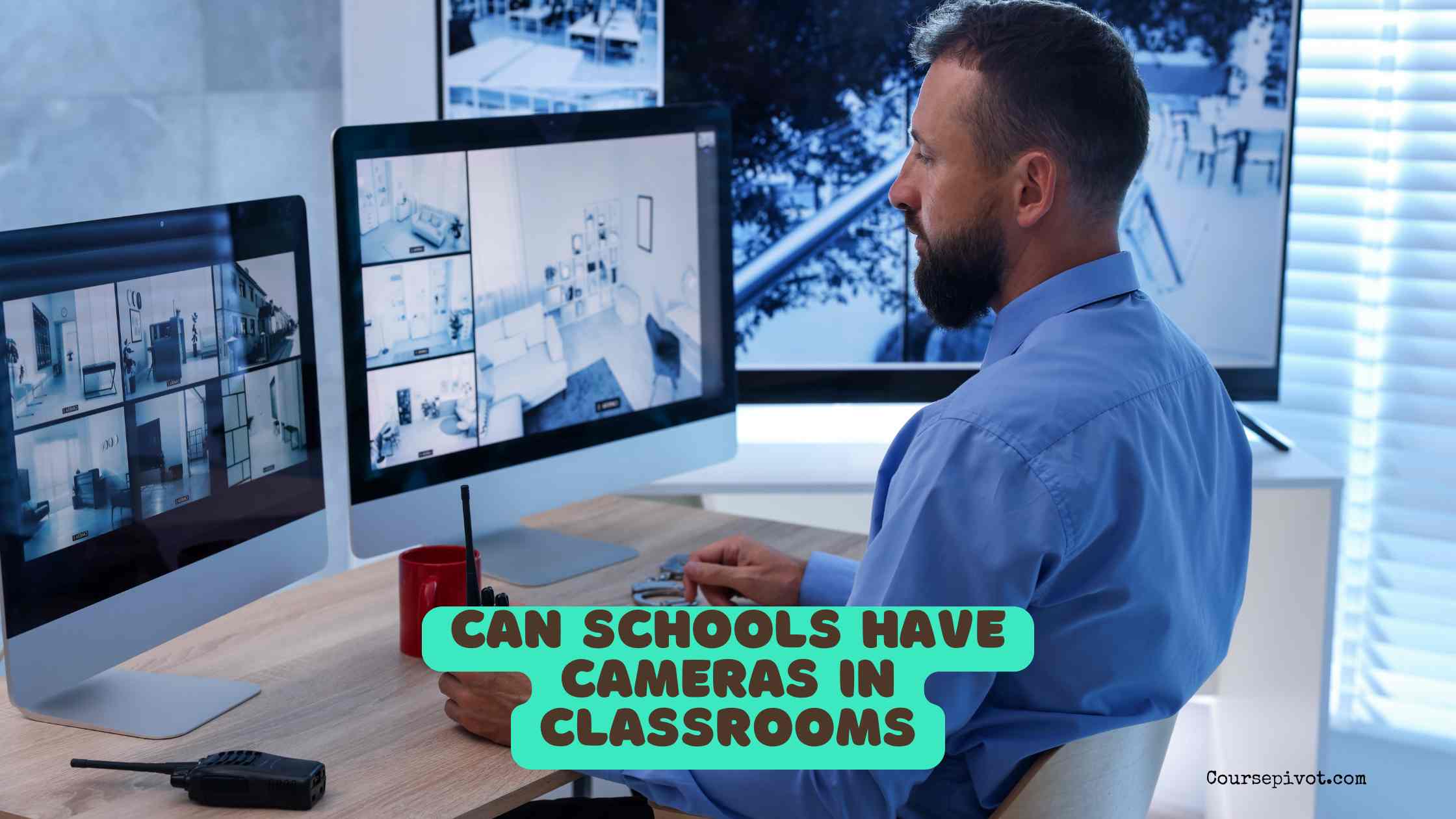
Can Schools Have Cameras in Classrooms?
As we enter 2026, classroom cameras and school surveillance cameras are hotter topics than ever. With Louisiana’s Act 479 mandating security cameras in classrooms—specifically self-contained special education ones—by February 1, 2026, districts nationwide are racing to comply while grappling with privacy concerns. Over 91% of public schools already use video surveillance in schools, but extending cameras in classrooms raises new questions about safety, ethics, and legality.
Table of Contents
This comprehensive guide examines the state of classroom surveillance cameras heading into 2026, including recent laws, emerging trends, benefits, drawbacks, and best practices.
Legal Framework for Classroom Cameras in 2026
No federal law bans cameras in school classrooms outright. Public schools generally have low privacy expectations, allowing video-only surveillance. However, FERPA (Family Educational Rights and Privacy Act) protects footage as an “education record” if it identifies students, requiring parental access rights and strict disclosure rules.
Audio recording complicates matters—many states demand consent, limiting or prohibiting it in classroom cameras.
State laws vary widely, with a 2026 focus on special education security cameras in classrooms.
State-by-State Overview of Classroom Camera Laws (as of Early 2026)
| State | Policy on Classroom Cameras | Key Details for 2026 |
|---|---|---|
| Louisiana | Mandatory in self-contained special education classrooms | Act 479 (2025) requires installation by Feb 1, 2026; video + audio allowed with restrictions |
| Texas | Permitted/required upon request in special ed | Long-standing model (since 2015); parental/staff request triggers installation |
| West Virginia | Mandatory in self-contained special ed classrooms | Comprehensive requirement for disability-serving rooms |
| Alabama | Mandated in special education classrooms | State-funded; driven by abuse prevention |
| Florida | Permitted for safety; proposals for special ed | Local board approval; parent notification required |
| Georgia | Enabled via Landon Dunson Act for special ed monitoring | Focus on vulnerable students |
| Nevada | Permitted in certain settings | Safety-focused |
| California | Strict: Requires consent from admins, teachers, parents | Heavy audio restrictions |
| New York | Strict transparency and regulations | Consent and justified use required |
| Illinois | Consent often needed; restrictions apply | Privacy assessments mandatory |
| Hidden Cameras | Banned/restricted in states like NH, ME, KS, SD, DE | Must be visible with signage |
In 2026, expect more states to follow Louisiana’s lead, especially for special education classroom surveillance.
Emerging Trends in School Surveillance Cameras
Heading into 2026, school security cameras evolve rapidly. Over 93% of public schools now use surveillance, up from prior years, with AI integration rising.
Key trends include:
- AI-Enhanced Cameras — Detect weapons, fights, or anomalies proactively.
- 360-Degree Fisheye and Dome Cameras — Provide full classroom coverage without blind spots.
- Integration with Emergency Systems — Enable real-time police feeds during threats.
- Focus on Special Ed — Mandates drive most new cameras in classrooms.
- Budget Challenges — Districts map costs for 2026 compliance (e.g., Louisiana’s 132+ classrooms in one area).
Statistics highlight growth: Nearly 100% of schools use some security measure, with security cameras in schools as the top choice.
Benefits of Cameras in School Classrooms
Advocates emphasize how classroom cameras enhance safety in 2026.
- Deterrence — Reduce bullying, misconduct, and violence.
- Objective Evidence — Resolve disputes quickly; protect teachers from false claims.
- Vulnerable Student Protection — Crucial in special ed where students may not report abuse.
- Emergency Response — Provide live views for faster intervention.
- Accountability — Objective oversight without constant admin presence.
Districts report fewer incidents and quicker resolutions with school surveillance cameras.
Drawbacks and Concerns with Classroom Surveillance
Critics, including teacher unions, warn of downsides.
- Privacy Invasion — Create a “chilling effect” on learning and teaching.
- Trust Erosion — Undermine teacher professionalism; enable micromanagement.
- Limited Effectiveness — Little evidence they prevent major threats like shootings.
- Misuse Potential — Risk data breaches or improper evaluations.
- Equity Issues — Often target special ed, raising bias concerns.
Teacher unions generally oppose broad cameras in classrooms, viewing them as stressful and unnecessary—preferring negotiation over mandates.
Best Practices for Implementing Classroom Cameras
For successful rollout:
- Prioritize video-only (avoid audio where possible).
- Post visible signage and notify all parties.
- Restrict access and retention (e.g., 3 months minimum in some laws).
- Ban use for teacher evaluations.
- Involve unions, parents, and staff in policy creation.
- Integrate with broader safety (mental health support, training).
Key Takeaways
Schools can have cameras in classrooms legally in most states, with 2026 marking expansion via mandates like Louisiana’s February deadline. Classroom surveillance cameras offer real safety benefits, especially in special education, but spark valid privacy and trust debates.
The future favors thoughtful, transparent implementation over blanket surveillance. As school security cameras advance with AI, balance remains key—protecting students without stifling education.
Will 2026 bring more mandates or pushback? The trend leans toward increased cameras in school classrooms, but community input will shape outcomes.
Cite this article
You can copy and paste your preferred citation format below.
Martin, L. & Arquette, E.. (2025, December 31). Can Schools Have Cameras in Classrooms?. Coursepivot.com. https://coursepivot.com/blog/can-schools-have-cameras-in-classrooms/
You may also like
Top 10 Reasons why School Days Should be Shorter