

17 Foods to Avoid While Breastfeeding
Most breastfeeding parents do not need a strict diet, but some foods, drinks, fish, herbs, and baby-specific triggers should be avoided, limited, or watched carefully.
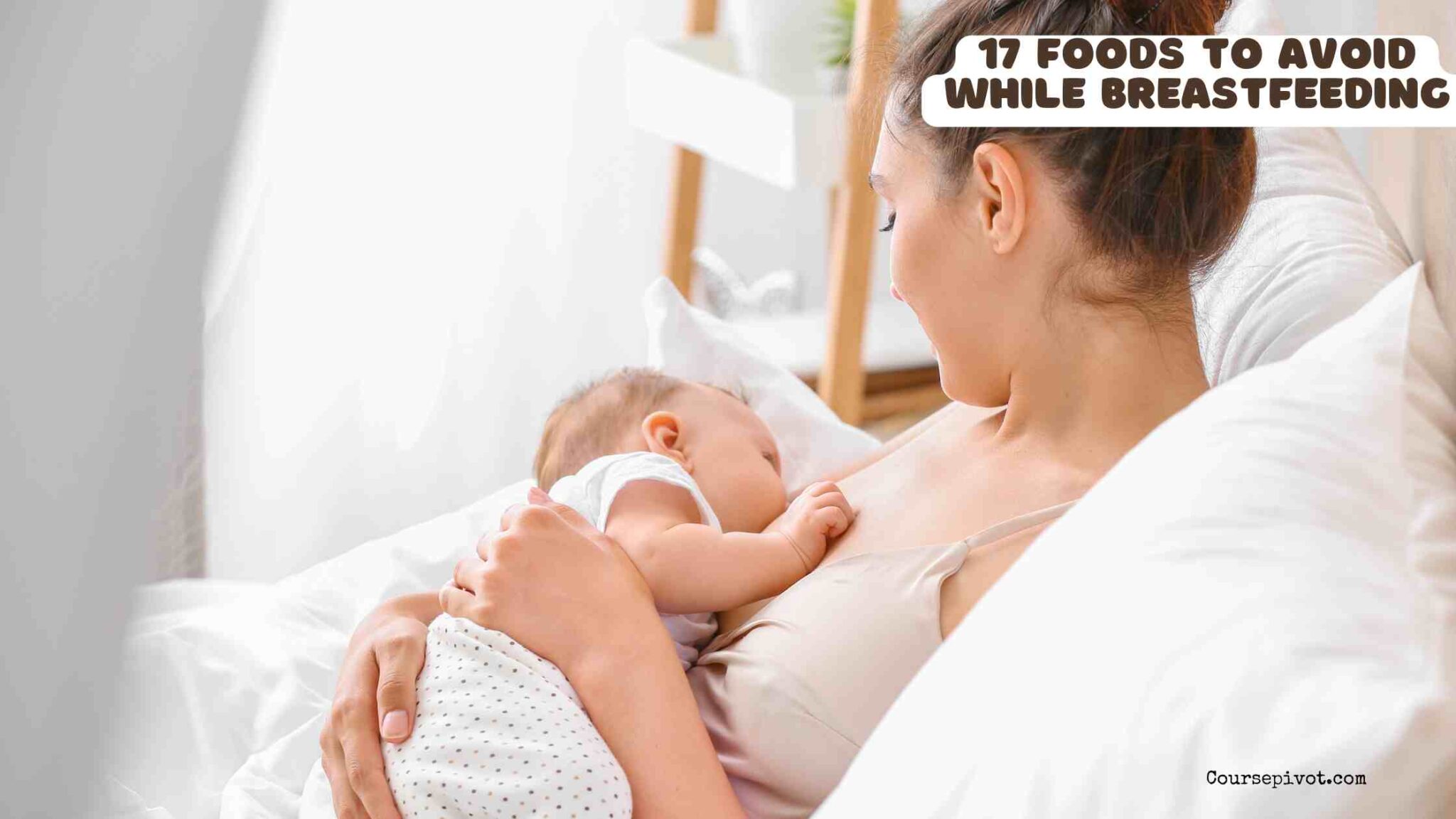
Breastfeeding can make nutrition feel suddenly high-stakes. Many parents worry that one cup of coffee, one spicy meal, or one unfamiliar food will harm the baby. The reassuring truth is that most breastfeeding parents do not need a strict or bland diet. In general, a healthy, varied diet is encouraged.
The main foods to avoid while breastfeeding are high-mercury fish, unsafe amounts of alcohol or caffeine, risky herbal products, and any specific food that clearly causes symptoms in your baby.
This article is for general education only. It should not replace medical advice from your doctor, midwife, pediatrician, registered dietitian, or lactation consultant, especially if your baby was premature, has allergies, has poor weight gain, or has ongoing digestive symptoms.
Start with This: Most Foods Are Allowed
The CDC explains that breastfeeding parents generally do not need to avoid specific foods. A diverse diet can support the parent’s health and expose the baby to different flavors through breast milk.
That means you usually do not need to avoid vegetables, beans, spicy food, garlic, dairy, eggs, peanuts, gluten, citrus, chocolate, or common seasonings just because you are breastfeeding. Many online lists make breastfeeding sound like a long restriction plan, but that is not what major health guidance says.
The better question is not “What can I never eat?” It is “Which foods or drinks should I avoid, limit, handle carefully, or watch in relation to my baby?“
1. Shark
Shark is one of the clearest foods to avoid while breastfeeding because it can contain high levels of mercury. Mercury can pass into breast milk and may affect a baby’s developing nervous system.
Fish can be very healthy during breastfeeding because it provides protein, iodine, vitamin D, and omega-3 fatty acids. The goal is not to avoid all fish. The goal is to choose lower-mercury fish.
2. Swordfish
Swordfish is another high-mercury fish that breastfeeding parents should avoid. It is a large predatory fish, and larger fish often accumulate more mercury over time.
If you enjoy seafood, choose safer options such as salmon, sardines, trout, anchovies, tilapia, cod, shrimp, catfish, or pollock. FDA guidance recommends that pregnant or breastfeeding people eat 8 to 12 ounces per week of lower-mercury seafood.
3. King Mackerel
King mackerel should be avoided while breastfeeding because of mercury concerns. This is different from some smaller mackerel species that may be lower in mercury, so the exact type matters.
When shopping, do not assume all fish in the same family carry the same risk. If you are unsure, check the FDA fish advice chart or ask a healthcare professional.
4. Tilefish
Tilefish is also on the avoid list because it can be high in mercury. Some guidance especially warns against tilefish from the Gulf of Mexico.
Mercury is not removed by cooking, trimming, freezing, or draining. If a fish is high in mercury, preparation methods will not make it safe for frequent breastfeeding consumption.
5. Bigeye Tuna
Bigeye tuna is another high-mercury fish to avoid. Tuna can be confusing because different types have different mercury levels.
Light canned tuna is generally lower in mercury than albacore or bigeye tuna, but portion guidance still matters. If tuna is a regular part of your diet, use official fish charts and vary your seafood choices rather than eating the same type every day.
6. Marlin
Marlin is often included among high-mercury fish to avoid during pregnancy and breastfeeding. Like shark and swordfish, it is a large predatory fish.
The practical rule is simple: choose smaller, lower-mercury seafood more often and avoid large predatory fish. This protects the baby while still allowing the benefits of seafood.
7. Raw or Undercooked Seafood
Raw oysters, raw clams, sushi made with raw fish, and undercooked seafood can carry bacteria, viruses, or parasites. Food poisoning usually does not pass directly through breast milk, but getting seriously ill while caring for an infant can affect hydration, milk supply, energy, and safety.
If you choose sushi while breastfeeding, cooked rolls or vegetarian rolls are lower-risk options. If you have immune problems or your baby is medically fragile, ask your clinician for specific food safety guidance.
8. Alcohol
Alcohol is not a food, but it belongs on this list because it passes into breast milk. The safest option is not drinking alcohol while breastfeeding.
If an adult of legal drinking age chooses to have one standard drink, timing matters. Many health organizations advise waiting at least about two hours per drink before breastfeeding. Pumping and dumping does not remove alcohol faster from the body; time is what lowers alcohol levels.
Avoid breastfeeding while feeling the effects of alcohol. Also avoid bed-sharing or sleeping with an infant after drinking, because impairment increases safety risks.
9. Excess Coffee
Coffee is not automatically forbidden while breastfeeding, but excess caffeine can be a problem for some babies. Caffeine passes into breast milk in small amounts, and some infants may become more wakeful, restless, or fussy.
Many breastfeeding parents tolerate moderate caffeine well. If your baby seems unusually irritable or has trouble sleeping, consider reducing caffeine and watching for improvement.
10. Energy Drinks
Energy drinks can contain caffeine plus other stimulants, herbs, sweeteners, or ingredients that are harder to evaluate during breastfeeding. Some large cans contain much more caffeine than people realize.
If you need caffeine, plain coffee or tea is easier to track than energy drinks. If exhaustion feels unmanageable, it may also be a sign that you need more support, sleep protection, nutrition, or medical advice.
11. High-Caffeine Teas and Supplements
Some teas and supplements contain concentrated caffeine, guarana, yerba mate, kola nut, or other stimulant ingredients. These can add up quickly, especially when combined with coffee, soda, chocolate, or energy drinks.
Read labels carefully. “Natural” does not always mean safe for breastfeeding, and supplement labels may not be as tightly regulated as medicines.
12. Sage in Large Amounts
Sage is sometimes discussed because large amounts may reduce milk supply for some people. Normal culinary use in food is usually different from concentrated sage teas, capsules, oils, or remedies.
If your milk supply is already low, be cautious with strong sage products and ask a lactation professional before using herbs intentionally.
13. Peppermint in Large Amounts
Peppermint is another herb some breastfeeding parents watch because high or concentrated amounts may affect milk supply in some cases. A peppermint candy or occasional tea is not the same as heavy use of peppermint oil or concentrated products.
If you notice a drop in supply after using strong peppermint products, stop and talk with a lactation consultant or healthcare professional.
14. Unnecessary Herbal Weight-Loss Products
Herbal weight-loss teas, detox drinks, appetite suppressants, and “cleanses” are best avoided while breastfeeding unless specifically approved by a qualified healthcare professional.
These products may contain stimulants, laxatives, diuretics, or herbs that are not well studied in breastfeeding. They can also reduce calorie intake or hydration at a time when your body needs steady nourishment.
For general wellness, a balanced diet, enough fluids, and gradual movement are safer than aggressive weight-loss products. If you are working on health goals, it may help to read does exercise lower blood pressure for a broader look at how steady habits support the body.
15. Cow’s Milk If Your Baby Reacts
Most breastfeeding parents do not need to avoid dairy. However, some babies have cow’s milk protein allergy or sensitivity. Signs may include blood or mucus in stool, persistent eczema, severe reflux, poor weight gain, unusual fussiness, or ongoing digestive distress.
Do not cut out dairy casually for every normal baby cry. If symptoms are concerning, talk with the pediatrician. If a dairy elimination trial is recommended, ask how long to try it and how to keep your own nutrition adequate.
16. Soy If Your Baby Reacts
Soy can also be a trigger for some babies, especially when cow’s milk protein allergy is suspected. But again, soy does not need to be avoided by everyone.
If your pediatrician recommends avoiding soy, read labels carefully because soy can appear in processed foods, sauces, protein bars, and packaged snacks. A dietitian can help if both dairy and soy need to be removed.
17. Peanuts, Eggs, Wheat, or Other Allergens Only If Advised
Peanuts, eggs, wheat, tree nuts, fish, sesame, and other allergens do not need to be automatically removed from a breastfeeding diet. In fact, unnecessary restriction can make the parent’s diet harder and may reduce important nutrients.
Avoid a specific allergen only if your baby has a diagnosed reaction, your clinician recommends a trial elimination, or you personally have an allergy. If your baby has hives, swelling, breathing trouble, repeated vomiting, blood in stool, or poor growth, get medical advice promptly.
Food Safety Items to Handle Carefully
Some foods are not dangerous because of breastfeeding itself, but because they can cause foodborne illness. These include raw sprouts, unpasteurized juices, unpasteurized dairy, undercooked meat, runny eggs from unsafe sources, and leftovers stored too long.
The goal is not fear. It is basic food safety:
- Wash hands and produce.
- Cook meat, poultry, seafood, and eggs thoroughly.
- Refrigerate leftovers promptly.
- Avoid unpasteurized dairy and juices if safety is uncertain.
- Do not eat foods that smell spoiled or were left out too long.
Staying healthy helps you care for your baby and maintain energy for feeding.
Signs a Food May Be Bothering Your Baby
Babies cry, spit up, pass gas, and have changing stool patterns for many reasons. Those signs alone do not always mean your diet is the cause.
Still, talk to a pediatrician if your baby has:
- Blood or mucus in stool
- Poor weight gain
- Severe or persistent vomiting
- Worsening eczema
- Hives or swelling
- Breathing symptoms
- Extreme fussiness that does not improve
- Diarrhea that persists
If a food reaction is suspected, keep a food and symptom diary. Do not remove multiple major food groups at once without guidance, because it can become hard to know what helped and hard to meet your own nutrition needs.
What to Eat Instead
A breastfeeding diet should focus more on nourishment than fear. Aim for regular meals with protein, whole grains, fruits, vegetables, healthy fats, and enough fluids.
Good choices include:
- Oats, rice, whole-grain bread, potatoes, and pasta
- Beans, lentils, eggs, poultry, lean meat, tofu, and yogurt if tolerated
- Salmon, sardines, trout, shrimp, cod, and other lower-mercury seafood
- Nuts and seeds if you are not allergic
- Fruits and vegetables of many colors
- Water, milk, fortified alternatives, or other low-caffeine drinks
Breastfeeding can be physically demanding, so extreme dieting is usually not helpful. If food costs are a concern, budget-friendly meal ideas for college students has practical low-cost meal ideas that can be adapted for many households.
When to Ask for Medical Advice
Ask a healthcare professional before making major diet changes if your baby is premature, has a medical condition, has poor weight gain, has blood in stool, has suspected allergy symptoms, or if your milk supply is low.
You should also seek support if you feel pressured to follow an overly restrictive diet. Breastfeeding is already demanding. You deserve guidance that protects both your baby and your own health.
Final Thoughts
The 17 foods and drinks to avoid or limit while breastfeeding are not all equal. High-mercury fish should be avoided. Alcohol should be avoided or timed very carefully. Caffeine should be limited if it affects your baby. Risky supplements and concentrated herbs deserve caution. Common allergens should only be removed when there is a real reason.
Most breastfeeding parents can eat a varied, enjoyable diet. The best approach is informed balance: choose safer seafood, limit alcohol and excess caffeine, practice food safety, watch your baby for real symptoms, and ask for professional help when something does not seem right.