

5 Reasons for Weight Gain After Gallbladder Removal
Weight gain after gallbladder removal surprises many patients — but there are clear physiological reasons it happens and practical ways to address them.
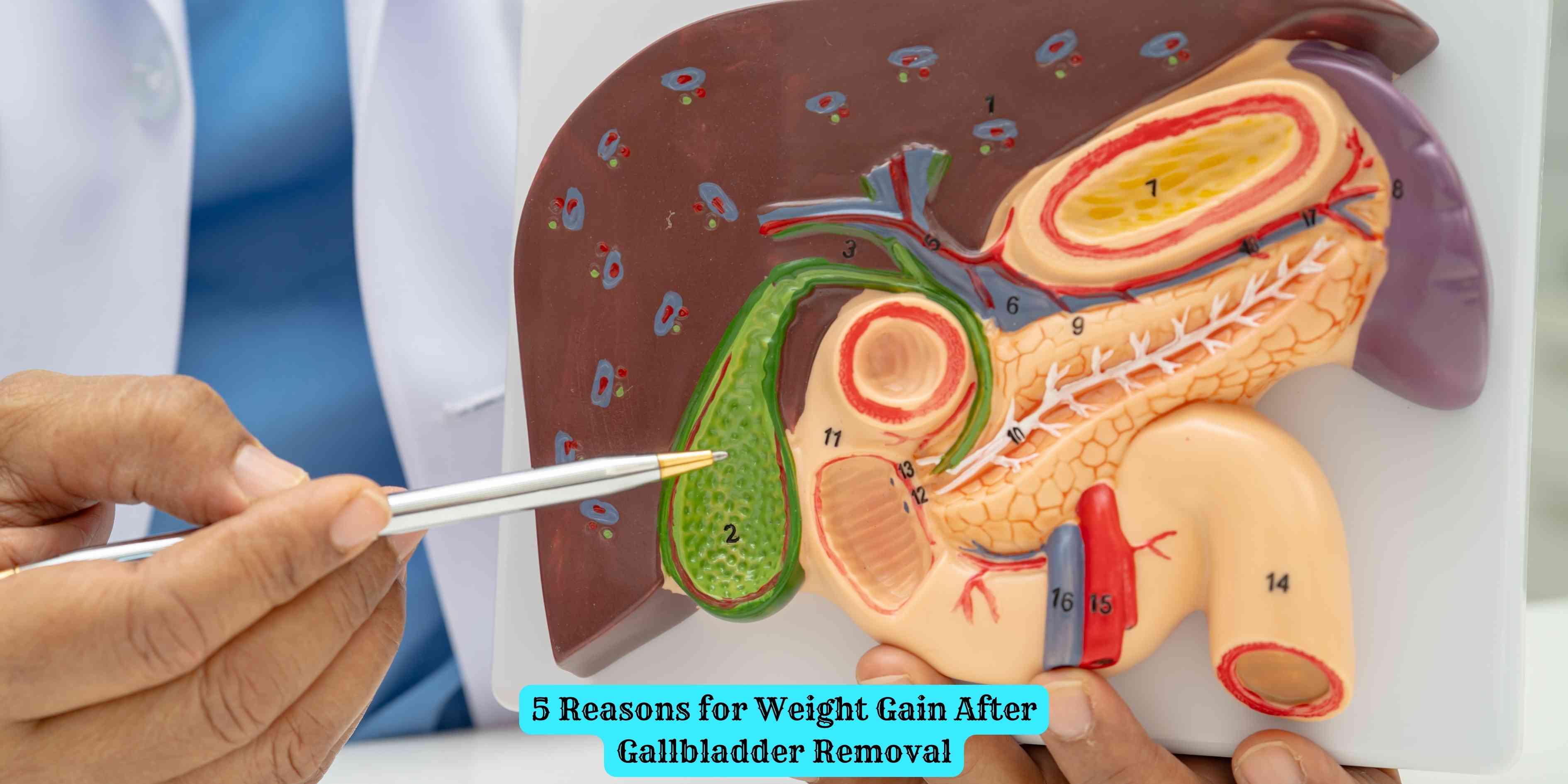
Weight gain after gallbladder removal (cholecystectomy) is more common than most patients expect. The main reasons include changes in how bile is delivered to the digestive system, dietary changes made before and after surgery, reduced ability to digest high-fat foods leading to compensatory eating patterns, decreased physical activity during recovery, and metabolic adjustments following the removal of an organ involved in fat digestion.
The gallbladder plays a regulatory role in fat digestion that is disrupted when it is removed — and the body’s adaptation to that change can contribute to weight gain if dietary habits are not adjusted accordingly.
Here are five specific reasons this happens.
1. Continuous Bile Flow Changes Fat Digestion
In a body with an intact gallbladder, bile produced by the liver is stored and concentrated in the gallbladder and released in controlled amounts when fat is eaten. This regulated delivery means fat is processed efficiently in response to meals.
After cholecystectomy, bile flows continuously and directly from the liver into the small intestine, regardless of whether fat is being eaten. Without the concentrated, meal-timed release, fat digestion becomes less efficient. Fat that is not fully processed in the small intestine passes into the large intestine, where it can cause digestive symptoms including bloating, diarrhea, and discomfort.
The body sometimes responds to this digestive inefficiency by craving more food to compensate for nutrients that are not being fully absorbed. This increased appetite, combined with less efficient caloric extraction from fats, can contribute to weight changes that are not intuitive from the outside.
2. Dietary Changes Before Surgery Were Calorie-Restricted
Many patients who develop gallstones experience painful attacks triggered by fat consumption. In response, they significantly reduce fat intake in the months or years before surgery, often losing weight in the process.
After surgery, the dietary restriction that caused this weight loss is no longer necessary in the same way. As patients return to a more varied diet without the fear of triggering a gallbladder attack, caloric intake often increases — sometimes significantly. This return to a higher-calorie diet after a period of restriction is one of the most common explanations for post-surgical weight gain.
Patients who lost a meaningful amount of weight due to pre-surgical dietary restriction may gain some or all of it back once the surgical trigger for that restriction is removed.
3. Post-Surgical Dietary Recommendations Increase Caloric Intake
Immediately following cholecystectomy, most surgeons recommend a low-fat, high-carbohydrate diet to allow the digestive system to adjust to the absence of regulated bile delivery. Low-fat diets that are high in refined carbohydrates — white bread, pasta, rice, crackers — can paradoxically contribute to weight gain because carbohydrates, particularly refined ones, are calorie-dense and digest quickly without providing sustained satiety.
Many patients follow these post-surgical dietary recommendations longer than necessary, or shift permanently to a higher-carbohydrate dietary pattern without realizing that the recommendation was intended as a temporary adjustment rather than a long-term diet.
The shift from a fat-inclusive diet to a carbohydrate-heavy one, if maintained over months or years, can produce the metabolic and caloric patterns associated with weight gain.
4. Reduced Physical Activity During Recovery
Cholecystectomy is a surgical procedure that typically requires a recovery period during which physical activity is significantly reduced. Laparoscopic surgery — the most common approach — involves a shorter recovery than open surgery, but most patients are advised to avoid strenuous activity for several weeks.
This reduction in activity means fewer calories burned during a period when caloric intake may be relatively normal or even elevated due to comfort eating during recovery. The combination of reduced energy expenditure and normal or higher intake can produce weight gain during the recovery period that may persist afterward if activity levels do not return to pre-surgical norms.
Patients who had already reduced activity levels before surgery due to chronic pain also experience this effect — returning to activity after surgery requires deliberate effort, and weight gained during the sedentary period may not resolve automatically.
5. Metabolic and Hormonal Adjustments Post-Surgery
The gallbladder is not simply a passive storage organ — it is part of a hormonal signaling network that influences fat digestion, appetite regulation, and metabolic function. Hormones including cholecystokinin (CCK), which is released in response to fat consumption and signals fullness, interact with gallbladder function in ways that are altered after cholecystectomy.
After removal, the signaling patterns associated with fat digestion change. Some research suggests that post-cholecystectomy patients experience altered satiety signals that make it harder to accurately assess fullness, contributing to unintentional overconsumption.
Additionally, the liver, which continues producing bile regardless of whether the gallbladder is present, may compensate for the absence of storage regulation in ways that affect overall metabolic function. These adjustments are individual and not fully predictable, but they may contribute to metabolic changes that manifest as altered body composition over time.
Weight gain after gallbladder removal is manageable with dietary adjustment — specifically, moderating fat intake at any single sitting (rather than eliminating fat entirely), monitoring refined carbohydrate intake, returning to regular physical activity as soon as medically cleared, and eating smaller, more frequent meals to accommodate the continuous bile flow. Patients with persistent digestive symptoms or unexplained weight changes after cholecystectomy should follow up with their physician or a registered dietitian. For context on why preventive medical care matters for managing issues like these before they escalate, why routine physical exams are considered preventive medicine provides useful background.