

5 Reasons Why Biodiversity Is Important
Biodiversity keeps ecosystems healthy, supports human life, and protects the natural systems people depend on every day.
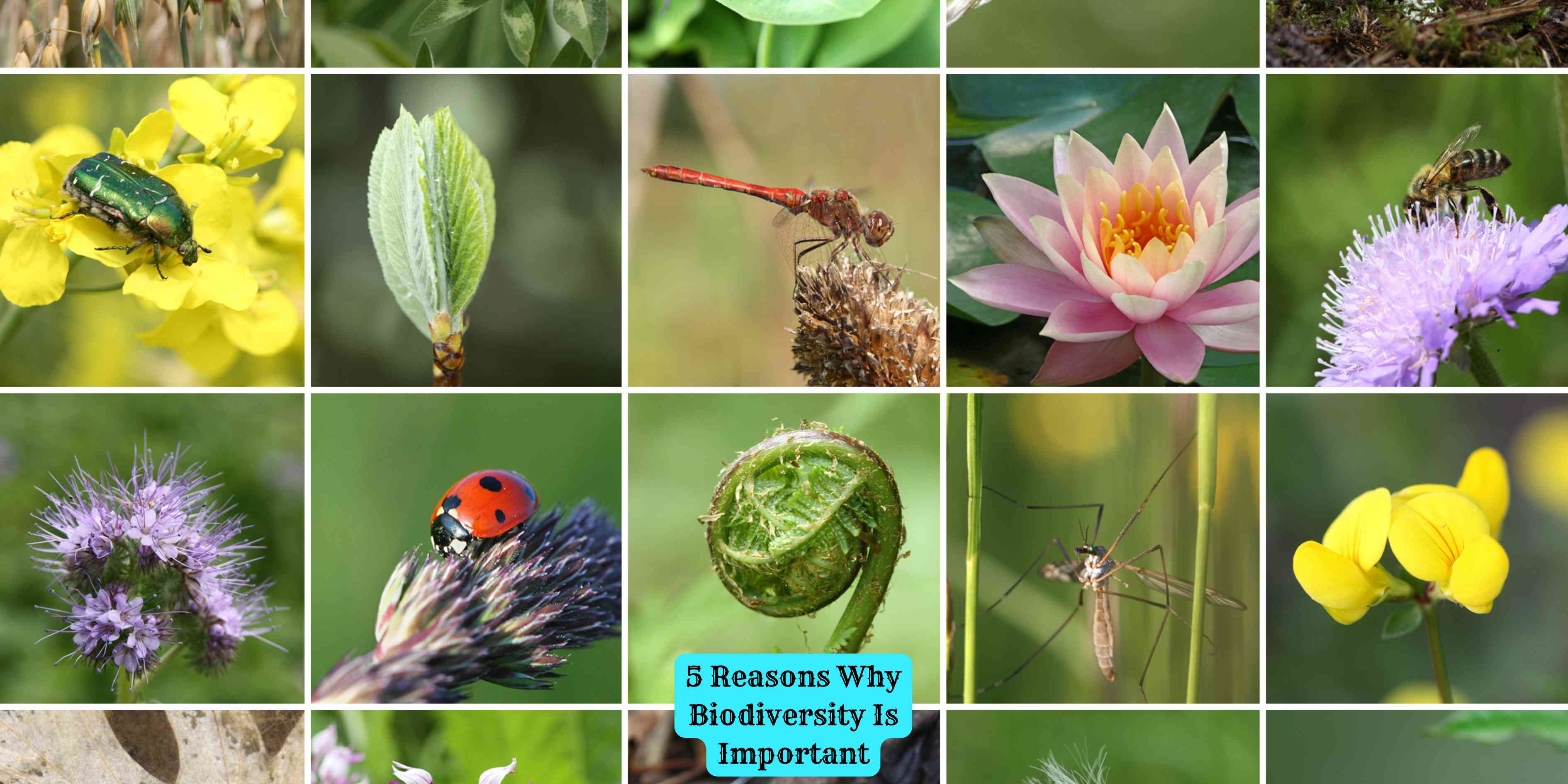
Biodiversity means the variety of life on Earth. It includes animals, plants, fungi, bacteria, genes, habitats, and entire ecosystems. A rainforest, coral reef, grassland, wetland, farm, and backyard garden can all contain biodiversity in different forms.
Biodiversity is important because life on Earth is connected. When one species disappears or one ecosystem is damaged, the effects can spread through food chains, water systems, soil, climate, and human communities. Protecting biodiversity is not only about saving beautiful animals or rare plants. It is about protecting the natural systems that make life possible.
1. Biodiversity Keeps Ecosystems Balanced
Healthy ecosystems depend on many living things doing different jobs. Plants produce oxygen and food. Insects pollinate flowers. Fungi and bacteria break down dead material. Predators help control populations. Wetlands filter water. Trees cool the air and reduce erosion.
When biodiversity is high, ecosystems usually become more stable. If one species declines, another species may partly fill its role. But when biodiversity is low, ecosystems become more fragile. A disease, drought, fire, invasive species, or pollution event can cause greater damage because there are fewer natural backups.
For example, a forest with many tree species is often more resilient than a forest with only one dominant tree species. If a pest attacks one type of tree, the entire forest is less likely to collapse. Diversity creates strength.
Biodiversity works like a support system for nature: the more healthy connections an ecosystem has, the better it can handle change.
2. Biodiversity Supports Food Production
Human food systems depend heavily on biodiversity. Crops need healthy soil, pollinators, clean water, pest control, and genetic variety. Without these natural supports, farming becomes more difficult and more expensive.
Pollinators such as bees, butterflies, bats, birds, and some flies help many fruits, vegetables, nuts, and seeds reproduce. Soil organisms help recycle nutrients so plants can grow. Natural predators can reduce pest populations. Genetic diversity in crops and livestock helps farmers breed varieties that can resist disease, tolerate drought, or grow in different climates.
Food biodiversity matters in several ways:
- Different crop varieties reduce the risk of total crop failure.
- Wild relatives of crops can provide useful genes for future breeding.
- Healthy soils support stronger harvests.
- Pollinators help maintain the supply of many nutritious foods.
If biodiversity declines, food systems become more vulnerable. A disease that affects one crop variety can spread quickly when farms rely on too little genetic diversity.
3. Biodiversity Helps Medicine and Scientific Discovery
Many medicines and scientific discoveries have come from living organisms. Plants, fungi, bacteria, marine animals, and other species contain chemical compounds that scientists study for possible medical uses. Some medicines used today were developed from natural sources or inspired by them.
Biodiversity matters for medicine because many species have not yet been fully studied. A plant in a rainforest, a microbe in soil, or an organism in the ocean may contain compounds that could help researchers understand disease, develop treatments, or create useful technologies.
This does not mean every species will become a medicine. It means that biodiversity preserves possibilities. When species disappear before scientists can study them, potential knowledge disappears too.
Scientific learning also depends on biodiversity. By studying different organisms, researchers learn about genetics, evolution, immunity, adaptation, reproduction, and environmental change. Nature is one of the largest libraries of information humans have.
4. Biodiversity Helps Regulate Climate and Natural Resources
Biodiversity plays an important role in regulating climate, water, air, and soil. Forests store carbon, produce oxygen, protect watersheds, and cool local temperatures. Oceans absorb carbon dioxide and support marine food webs. Wetlands store water, reduce flooding, and filter pollutants. Grasslands can store carbon in deep root systems and support soil health.
Different species contribute to these processes in different ways. Trees, grasses, microbes, fish, insects, and animals all participate in cycles that move carbon, water, nutrients, and energy through the environment.
When ecosystems are damaged, they may lose some of their ability to regulate natural resources. Deforestation can increase erosion and reduce carbon storage. Wetland destruction can make flooding worse. Coral reef loss can reduce coastal protection and harm marine life.
Biodiversity is therefore connected to climate resilience. Healthy ecosystems can help communities adapt to environmental stress, while damaged ecosystems can make people more vulnerable.
5. Biodiversity Improves Human Wellbeing
Biodiversity supports human wellbeing in practical, emotional, cultural, and economic ways. People depend on nature for food, medicine, clean air, water, materials, and livelihoods. Many communities also have cultural, spiritual, or historical connections to specific landscapes and species.
Natural environments can also support mental and physical health. Parks, forests, gardens, rivers, beaches, and wildlife areas give people places to exercise, rest, learn, and recover from stress. Even small green spaces can improve quality of life in cities and neighborhoods.
Biodiversity also supports jobs and economies. Agriculture, fishing, forestry, tourism, research, and conservation all depend on functioning natural systems. When ecosystems decline, communities can lose income, safety, and resources.
In simple terms, biodiversity is not separate from human life. It is part of the foundation that allows societies to survive and thrive.
What Happens When Biodiversity Declines?
Biodiversity loss can cause serious problems. Ecosystems may become less productive, less stable, and less able to recover from stress. Food chains can be disrupted. Soil can become poorer. Water can become less clean. Species that once controlled pests or supported pollination may disappear.
Common causes of biodiversity loss include:
- Habitat destruction.
- Pollution.
- Climate change.
- Overfishing and overhunting.
- Invasive species.
- Unsustainable land use.
The effects are often connected. For example, destroying a wetland can harm birds, fish, insects, water quality, flood control, and nearby communities at the same time.
How People Can Help Protect Biodiversity
Protecting biodiversity requires action from governments, businesses, communities, schools, and individuals. Large-scale protection matters, but everyday choices also contribute to healthier ecosystems.
People can help by:
- Planting native species where possible.
- Reducing waste and pollution.
- Avoiding products linked to habitat destruction.
- Supporting protected areas and conservation programs.
- Using water and energy responsibly.
- Learning about local species and habitats.
Students can also help by studying environmental science, joining conservation clubs, reducing litter, and sharing accurate information about why biodiversity matters.
Final Thoughts
Biodiversity is important because it keeps ecosystems balanced, supports food production, helps medicine and science, regulates climate and resources, and improves human wellbeing. It is one of the most important signs of a healthy planet.
When biodiversity is protected, people protect more than individual species. They protect food systems, clean water, climate stability, scientific knowledge, and future generations. The more we understand the value of biodiversity, the easier it becomes to see nature not as something separate from us, but as something we deeply depend on.