

5 Things to Avoid Before Sleep
Better sleep often starts with avoiding habits that keep your brain, body, and digestion too active at night.
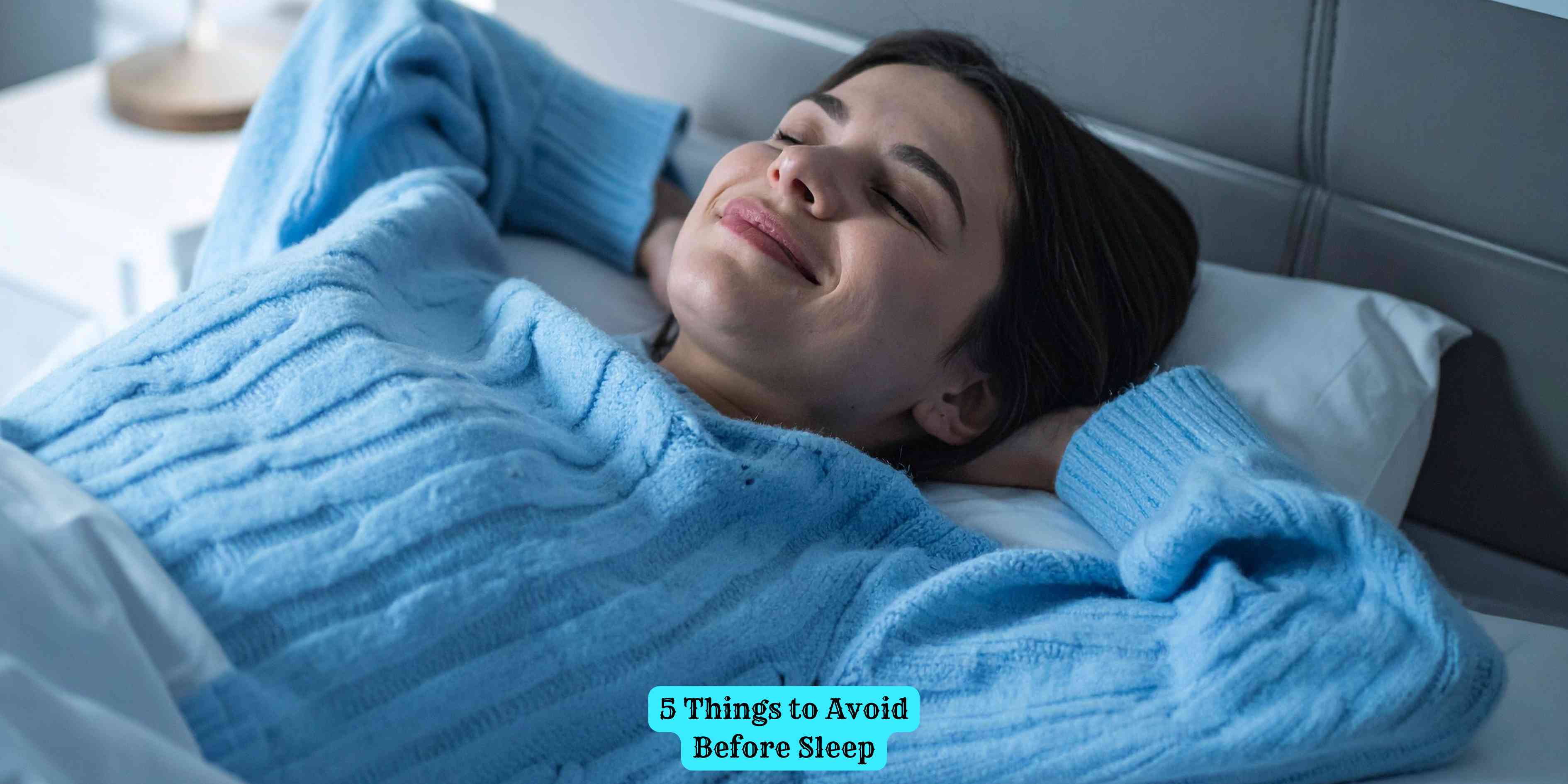
Good sleep is not only about what time you go to bed. It is also affected by what you do in the hours before bedtime. Certain habits can keep your brain alert, disturb digestion, raise stress, or make it harder for your body to settle into deep rest.
Sleep needs vary from person to person, and occasional restless nights happen to everyone. But if you regularly struggle to fall asleep or wake up tired, your evening routine is a good place to start. Here are five things to avoid before sleep.
1. Avoid Caffeine Late in the Day
Caffeine is a stimulant, which means it helps you feel more awake. It is found in coffee, many teas, energy drinks, cola, chocolate, and some supplements or medications. Caffeine can stay active in the body for hours, so drinking it too late can make it harder to fall asleep.
Some people can drink coffee in the afternoon and still sleep well. Others are more sensitive and need to stop much earlier. If you often lie awake at night, try avoiding caffeine in the afternoon and evening to see whether your sleep improves.
Common caffeine sources include:
- Coffee and espresso drinks.
- Black tea, green tea, and some iced teas.
- Energy drinks.
- Cola and some sodas.
- Dark chocolate.
If sleep is a problem, caffeine is one of the first evening habits worth checking because it directly promotes alertness.
2. Avoid Screens Right Before Bed
Phones, laptops, tablets, televisions, and gaming devices can delay sleep in two ways. First, bright light can signal to the brain that it is still time to be alert. Second, the content itself can keep your mind active, especially if you are scrolling social media, watching intense videos, working, or arguing online.
The CDC recommends turning off electronic devices at least 30 minutes before bedtime as part of better sleep habits. You can use that time to read a physical book, stretch, pray, journal, prepare for tomorrow, or do a quiet activity.
If you must use a device at night, reduce brightness, use night mode, and avoid stressful content. But the best option is usually to create a screen-free buffer before sleep.
3. Avoid Heavy, Spicy, or Very Late Meals
Eating a large meal close to bedtime can make sleep harder because your body is still digesting. Heavy, fatty, spicy, or acidic foods may also trigger discomfort, heartburn, or bloating for some people. Even if you fall asleep, digestive discomfort can reduce sleep quality.
This does not mean everyone must go to bed hungry. A light snack may be fine, especially if you ate dinner early. The problem is usually a large or uncomfortable meal too close to bedtime.
Better evening choices include:
- Eating dinner earlier when possible.
- Keeping late snacks small and simple.
- Avoiding foods that personally trigger heartburn.
- Limiting large amounts of liquid right before bed if bathroom trips wake you.
Pay attention to your own body. If a certain food repeatedly affects your sleep, it may be worth moving it earlier in the day.
4. Avoid Alcohol as a Sleep Aid
Alcohol can make some people feel sleepy at first, but it often disrupts sleep later in the night. It can reduce sleep quality, increase waking, worsen snoring for some people, and leave you feeling less rested the next morning.
Using alcohol as a sleep aid is not a healthy long-term strategy. It may create the feeling of falling asleep faster while interfering with the quality of rest your body actually needs.
If you drink alcohol, consider finishing earlier in the evening and avoiding it close to bedtime. People with sleep apnea, certain medications, liver disease, pregnancy, or a history of alcohol problems should follow medical guidance about alcohol use.
5. Avoid Stressful Work, Arguments, and Intense Thinking
Your mind needs time to slow down before sleep. If you spend the last part of the night answering stressful emails, studying in panic mode, arguing, checking bills, or replaying problems, your body may stay in alert mode.
This does not mean you should ignore responsibilities. It means you should avoid turning bedtime into the moment when your mind tries to solve everything. If worries appear at night, write them down and choose a time the next day to handle them.
Calming alternatives include:
- Making a short to-do list for tomorrow.
- Practicing slow breathing.
- Reading something gentle.
- Taking a warm shower.
- Listening to calm music or quiet reflection.
A predictable wind-down routine teaches your brain that the day is ending.
What to Do Instead Before Sleep
A better bedtime routine should be simple and repeatable. You do not need an elaborate ritual. The goal is to lower stimulation and make sleep feel natural.
Helpful sleep habits include:
- Going to bed and waking up at consistent times.
- Keeping your room cool, dark, quiet, and comfortable.
- Exercising regularly, but not too intensely right before bed.
- Preparing clothes, bags, or school items earlier in the evening.
- Using the bed mainly for sleep so your brain connects it with rest.
Consistency matters. A routine done most nights is more helpful than a perfect routine done once.
When Sleep Problems Need More Attention
If you often cannot sleep, wake up gasping, snore loudly, feel exhausted during the day, or depend on sleep aids regularly, consider speaking with a healthcare professional. Sleep problems can be linked to stress, anxiety, depression, sleep apnea, medication effects, pain, or other health conditions.
This article is educational and not a medical diagnosis. If sleep problems are ongoing or severe, professional guidance can help identify the cause and the safest next step.
Final Thoughts
Five things to avoid before sleep are caffeine, screens, heavy meals, alcohol, and stressful activities. Each one can make it harder for your body or mind to settle down at night.
Better sleep usually comes from small, consistent choices. When your evenings are calmer and your routine supports rest, sleep becomes less of a struggle and more of a natural ending to the day.