

5 Ways to Reduce Poverty
Reducing poverty requires more than charity; it requires education, decent work, social protection, health care, and fair access to opportunity.
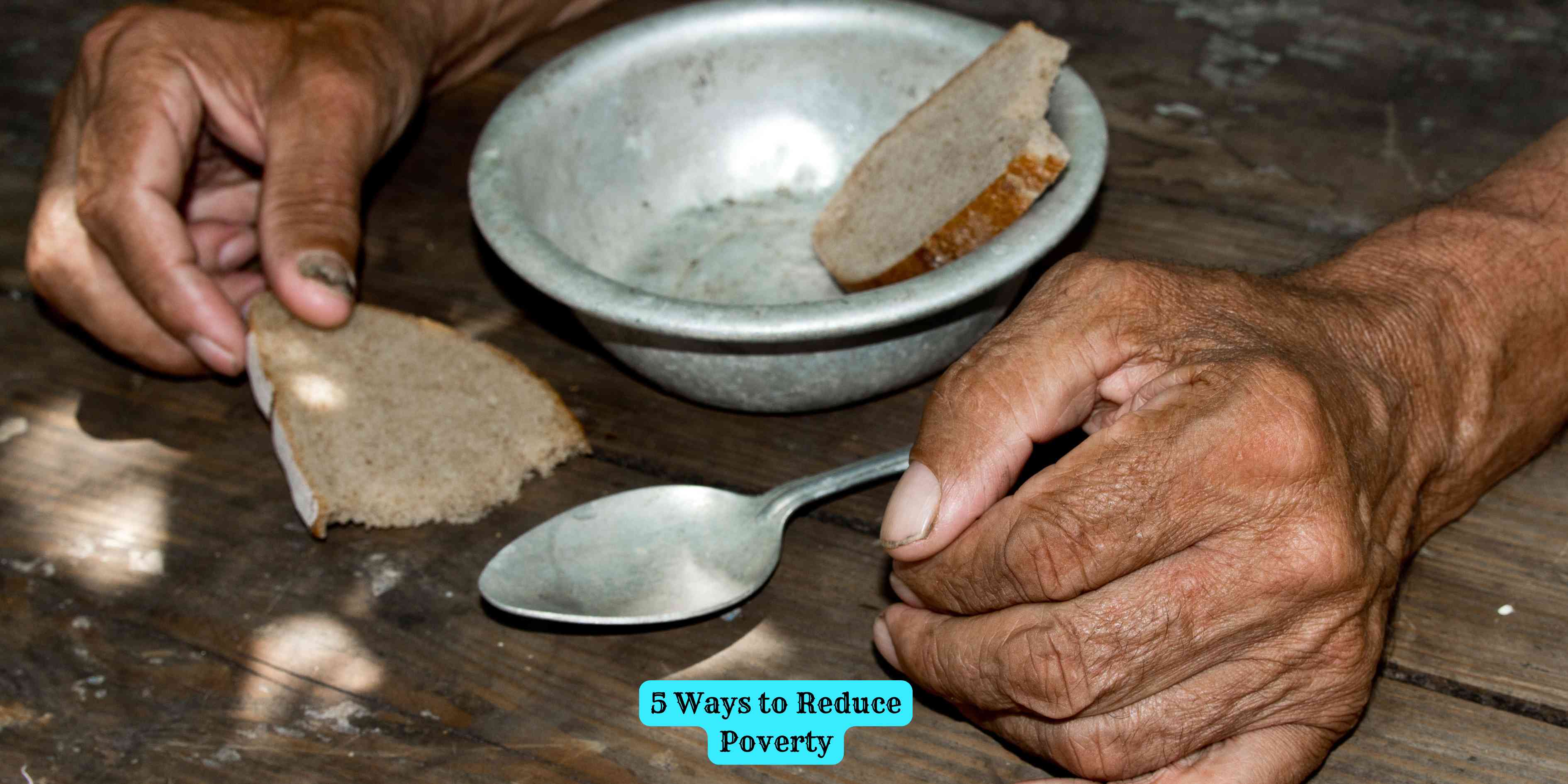
Poverty is more than not having enough money. It can include lack of food, safe housing, education, health care, clean water, decent work, financial security, and political voice. Because poverty has many causes, reducing it requires more than one solution.
The most effective anti-poverty strategies help people meet immediate needs while also expanding long-term opportunity. Here are five important ways to reduce poverty.
1. Improve Access to Quality Education
Education is one of the strongest tools for reducing poverty. It helps people build skills, qualify for better jobs, understand their rights, manage money, and participate more fully in society. Education also benefits families across generations because educated parents are often better able to support children’s learning and health.
Quality matters. Simply attending school is not enough if students lack trained teachers, books, safe classrooms, technology, or basic support. Poverty reduction requires education systems that help students actually learn.
Education reduces poverty best when it gives people usable skills, confidence, and pathways to decent work.
2. Create Decent Jobs and Fair Wages
Poverty falls when people can earn stable income through decent work. Jobs matter, but job quality matters too. Work that is unsafe, temporary, extremely low paid, or exploitative may not lift people out of poverty.
Governments, businesses, and communities can reduce poverty by supporting job creation, skills training, fair wages, worker protections, small businesses, and access to markets. Economic growth helps most when it reaches poor and vulnerable communities instead of benefiting only a small group.
Decent work includes:
- Fair pay.
- Safe working conditions.
- Predictable income.
- Skills development.
- Protection from exploitation.
Work should help people build stability, not trap them in survival mode.
3. Strengthen Social Protection
Social protection includes programs that help people handle hardship, shocks, and vulnerability. Examples include cash transfers, food assistance, unemployment support, disability benefits, pensions, child support programs, school feeding programs, and emergency aid after disasters.
These programs reduce poverty by helping families survive difficult periods without selling assets, pulling children out of school, skipping medicine, or going hungry. They are especially important for children, older adults, people with disabilities, unemployed workers, and families affected by illness or crisis.
Social protection is not only charity. It is a system that protects human dignity and helps people recover from shocks.
4. Expand Access to Health Care and Basic Services
Illness can push families deeper into poverty. When people cannot afford health care, they may lose work, accumulate debt, or suffer from preventable conditions. Access to health care helps people stay productive, attend school, care for families, and avoid catastrophic expenses.
Basic services also matter. Clean water, sanitation, electricity, transport, internet access, and safe housing all affect whether people can escape poverty. A student without electricity may struggle to study. A worker without transport may not reach better jobs. A family without clean water may face repeated illness.
Reducing poverty means improving the systems that support everyday life.
5. Promote Equal Access to Resources and Opportunity
Poverty is often connected to inequality. Some groups face barriers because of gender, race, disability, location, conflict, discrimination, lack of land rights, or limited access to finance. Reducing poverty requires removing barriers that keep people from opportunity.
Equal access includes:
- Legal rights to own property and inherit assets.
- Access to banking and responsible credit.
- Equal education for girls and boys.
- Protection from discrimination.
- Support for rural and marginalized communities.
- Affordable technology and internet access.
When more people can participate in the economy, communities become stronger and poverty becomes easier to reduce.
Why Poverty Reduction Must Be Long-Term
Short-term aid can save lives, especially during emergencies. But long-term poverty reduction requires systems that help people build security. Education, jobs, health, infrastructure, and rights work together. If one piece is missing, progress can be fragile.
For example, a person may get job training but still remain poor if no jobs exist. A child may attend school but still struggle if hunger affects learning. A family may earn income but fall back into poverty after illness without health coverage.
What Individuals Can Do
Large-scale poverty reduction requires policy and investment, but individuals can still contribute. People can support local charities, mentor students, volunteer, donate responsibly, buy from ethical businesses, advocate for fair policies, and treat people experiencing poverty with dignity.
Students can also help by learning about poverty carefully. Poverty is not caused only by laziness or bad choices. It is often shaped by unequal opportunity, low wages, poor services, conflict, discrimination, and systems that make upward mobility difficult.
Final Thoughts
Five ways to reduce poverty are improving education, creating decent jobs, strengthening social protection, expanding health care and basic services, and promoting equal access to resources. These strategies work best when they are connected.
Poverty reduction is not only about helping people survive today. It is about building conditions where people can live with dignity, develop their abilities, and pass greater opportunity to the next generation.