

How Renewable and Recyclable Materials Benefit the Environment
Renewable and recyclable materials benefit the environment by reducing pressure on natural resources and keeping useful materials in circulation.
The Short Answer
Using renewable and recyclable materials benefits the environment by conserving natural resources, reducing waste, saving energy, lowering pollution, and reducing the need to extract new raw materials. These materials can help societies move from a take-make-throw-away system toward a more circular one.
Renewable materials can be replenished naturally when managed responsibly. Recyclable materials can be processed and used again. The environmental benefit comes from reducing how much new material must be taken from nature and how much used material becomes waste.
What Renewable Materials Are
Renewable materials come from sources that can regrow or be replenished within a reasonable time. Examples include responsibly managed wood, bamboo, cork, cotton, wool, hemp, and some plant-based materials.
Renewable does not automatically mean harmless. A forest product is only sustainable if forests are managed well. A crop-based material may still require land, water, fertilizer, and transportation.
The key is responsible sourcing, not just the label.
What Recyclable Materials Are
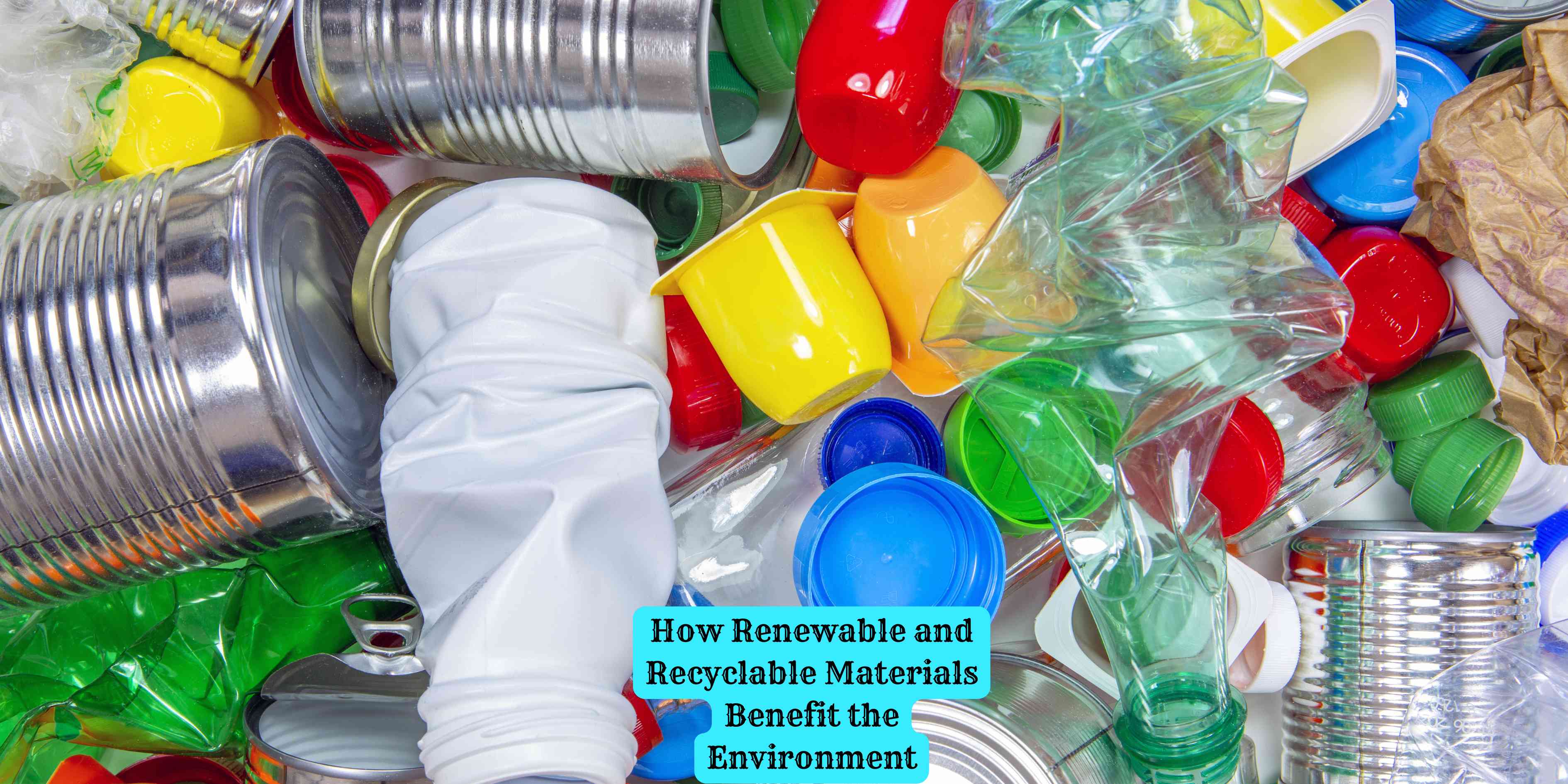
Recyclable materials can be collected, processed, and turned into new products. Common examples include aluminum, steel, glass, paper, cardboard, and many plastics.
Some materials are easier to recycle than others. Aluminum and steel can be recycled many times. Paper fibers weaken over repeated recycling. Plastics vary widely depending on type, contamination, and local recycling capacity.
Recyclable means the material can be recycled, but actual recycling depends on proper collection and processing.
They Reduce Resource Extraction
Producing new materials often requires mining, drilling, logging, or harvesting. These activities can disturb habitats, use water, consume energy, and create pollution.
Recycled materials reduce the need for virgin raw materials. Renewable materials can reduce dependence on nonrenewable materials when grown and harvested responsibly.
For example, recycled aluminum reduces the need to mine and process more bauxite ore. Responsibly managed timber can replace some fossil-fuel-based or highly energy-intensive materials in certain uses.
They Can Save Energy
Recycling often saves energy compared with producing materials from raw resources. The energy savings vary by material, but metals are a strong example. Recycling aluminum generally uses far less energy than producing aluminum from ore.
Saving energy can also reduce greenhouse gas emissions, especially when that energy would have come from fossil fuels.
Renewable materials may also store carbon while they grow, though the full environmental benefit depends on land use, processing, transportation, and product life.
They Reduce Waste in Landfills
When materials are reused or recycled, less waste goes to landfills or incinerators. This helps reduce land use for disposal and can limit some pollution risks.
Organic renewable materials may biodegrade under certain conditions, but biodegradation is not a complete solution. A material that rots in a landfill may still produce methane if oxygen is limited.
The better goal is to design products so materials stay useful longer before disposal.
They Can Lower Pollution
Using recycled materials can reduce pollution from extraction and manufacturing. Less mining may mean less habitat disturbance, less tailings waste, and fewer water quality risks. Less demand for virgin plastic may reduce fossil fuel use and plastic waste.
Renewable materials can also reduce pollution when they replace more harmful materials. However, the benefit depends on the full life cycle.
A reusable product made from a renewable material is usually more beneficial when it is durable, repairable, and actually used many times.
They Support a Circular Economy
A circular economy aims to keep materials in use for as long as possible. Instead of treating products as waste after one use, circular systems emphasize durability, repair, reuse, recycling, and responsible design.
Renewable and recyclable materials support this idea, especially when products are designed from the beginning for recovery.
| Approach | Environmental benefit |
|---|---|
| Renewable sourcing | Reduces dependence on finite resources |
| Recycling | Keeps materials out of waste streams |
| Reuse | Extends product life |
| Repair | Reduces replacement demand |
| Better design | Makes recovery easier |
Limits to Remember
Renewable and recyclable materials are helpful, but they are not magic. A recyclable item that is thrown in the trash does not get recycled. A renewable crop grown with harmful practices can still damage ecosystems.
Consumers, companies, and governments all matter. Better labeling, collection systems, product design, and purchasing choices are needed.
The main benefit is clear: renewable and recyclable materials reduce environmental pressure when they are sourced responsibly, used efficiently, and kept in circulation.