

Blog
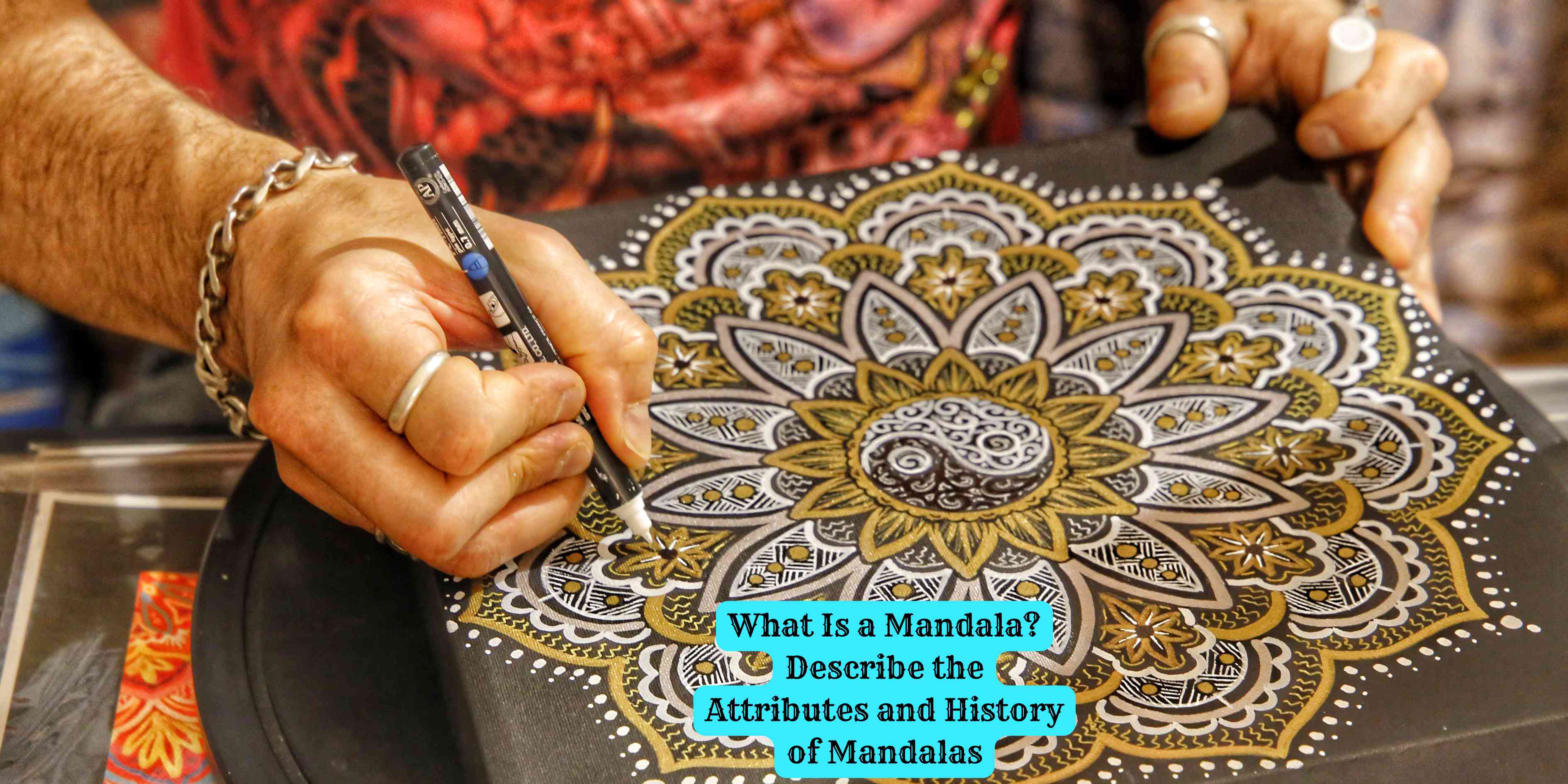
What Is a Mandala? Describe the Attributes and History of Mandalas
A mandala is a symbolic circular design used in art, meditation, ritual, teaching, and cultural expression.

What Occurs During the Three Stages of the General Adaptation Syndrome
The body moves through alarm, resistance, and exhaustion as it tries to cope with stress that does not go away.

10 Signs He Likes You More Than You Imagine
Sometimes a man's interest shows less through grand words and more through steady, thoughtful behavior.
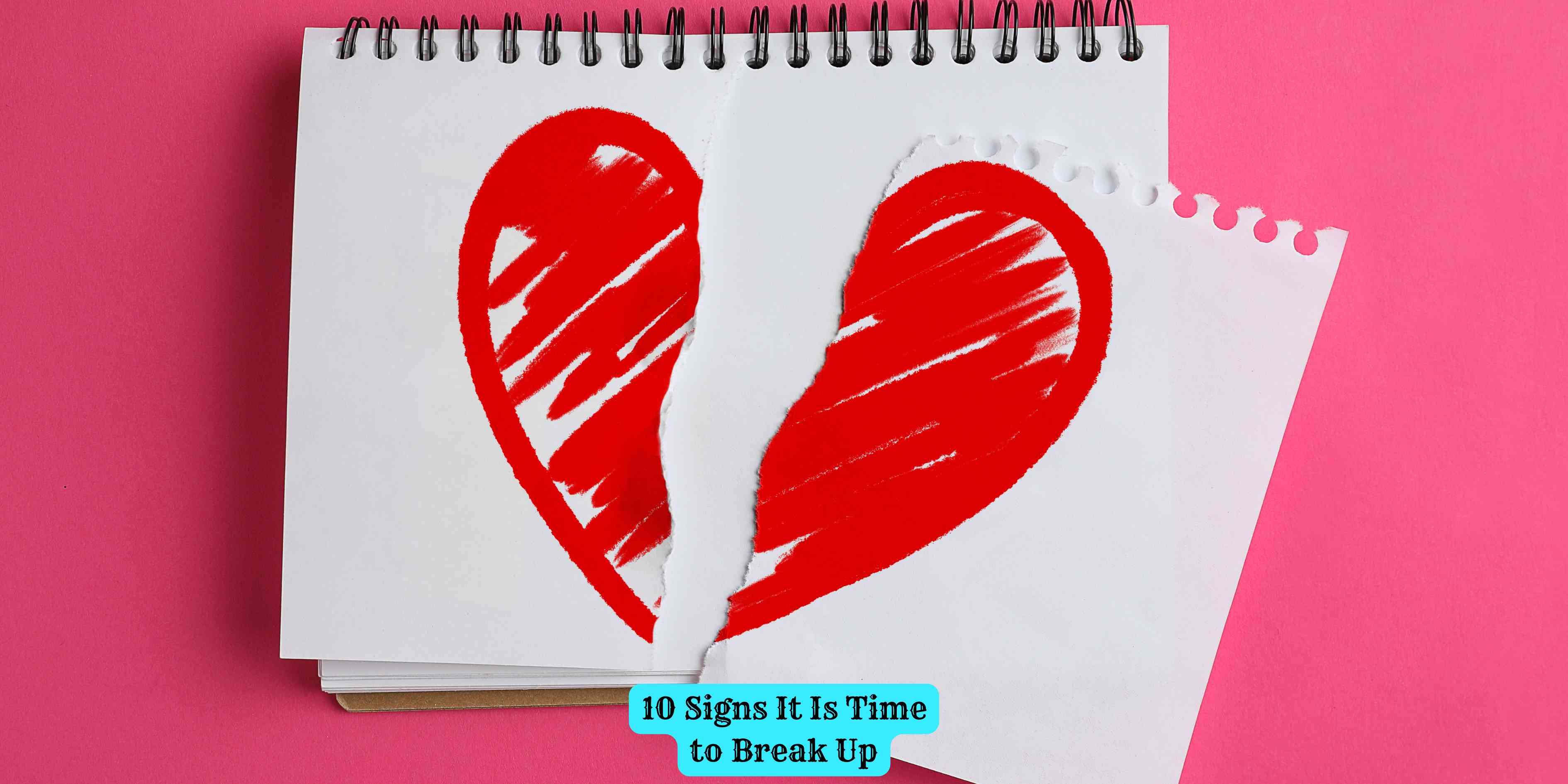
10 Signs It Is Time to Break Up
A breakup may be necessary when the relationship keeps harming your peace, growth, safety, or self-respect.

10 Signs She Is Waiting for You to Make a Move
Interest can show through attention, effort, body language, and openness, but respect still matters more than guessing.
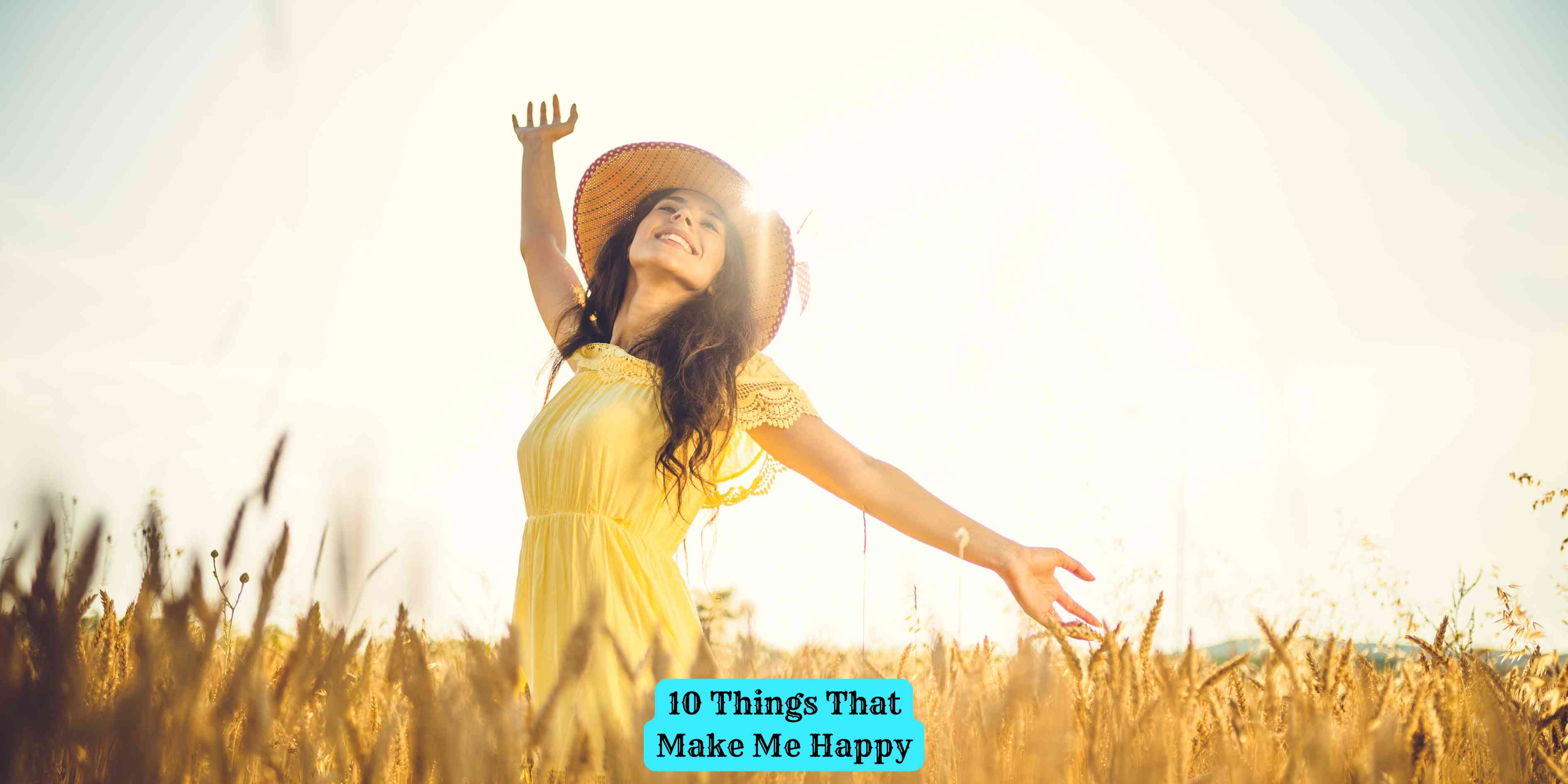
10 Things That Make Me Happy
Happiness is often built from ordinary moments that remind you life still has beauty, connection, and meaning.
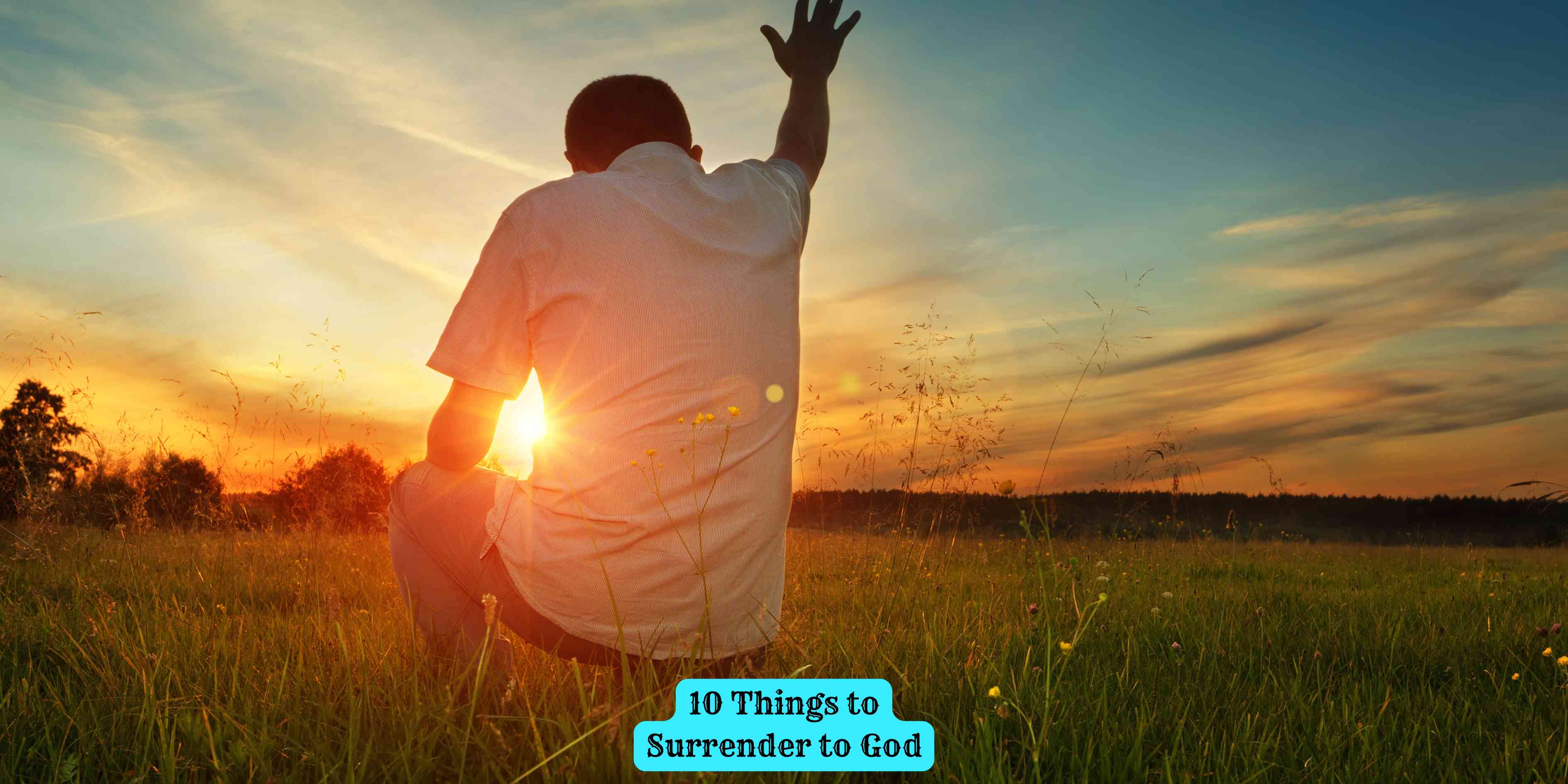
10 Things to Surrender to God
Surrendering to God is not giving up on life; it is learning to trust Him with what you cannot control.

100 Things for Couples to Do Together
Couples do not always need expensive plans; sometimes connection grows through simple shared experiences.
100 Things I Am Grateful for Today
Gratitude becomes easier when you slow down long enough to notice what is already supporting your life.