

What Are Some of the Physical Signs of Stress?
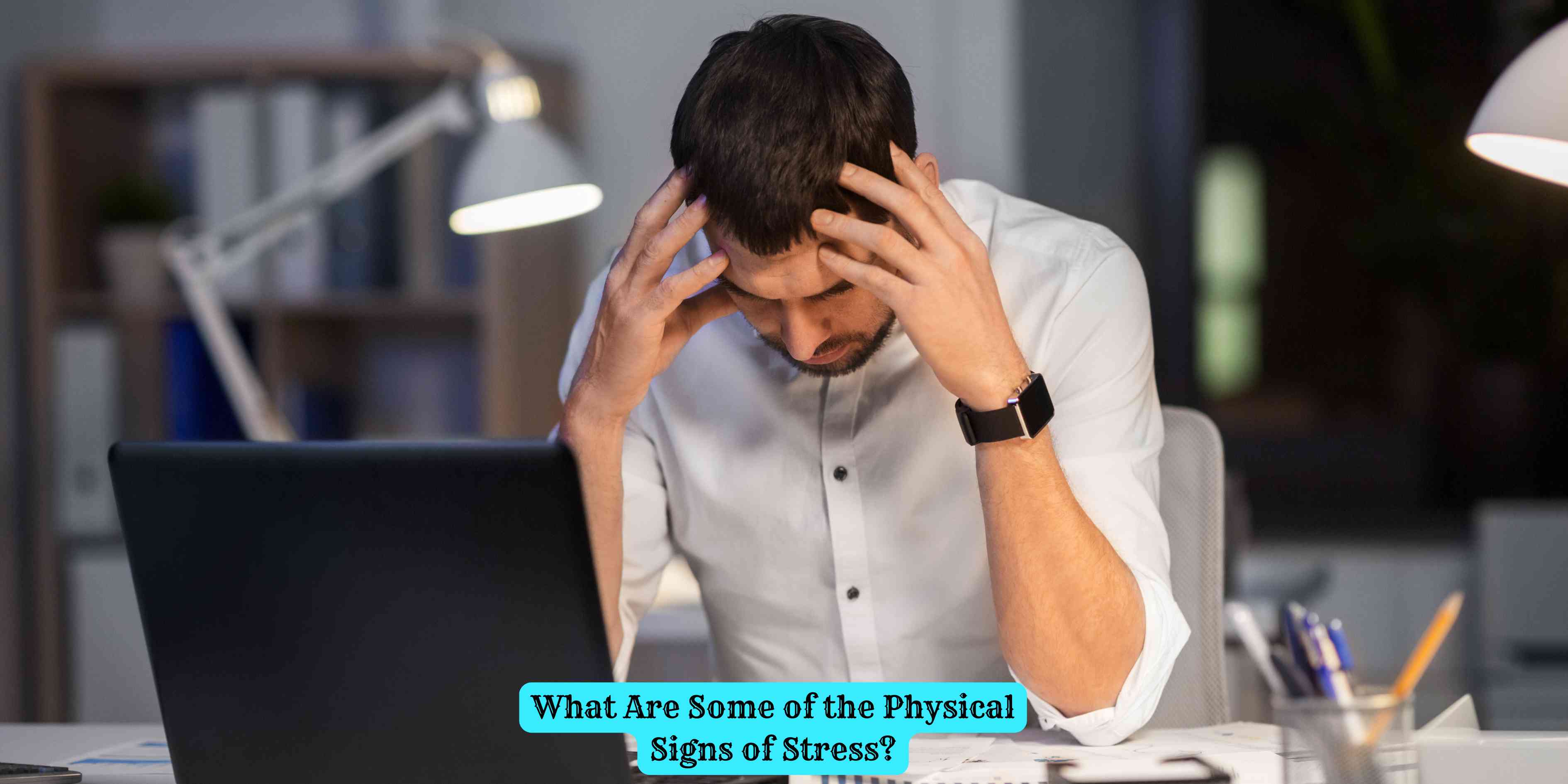
Stress can show up in the body as headaches, muscle tension, fatigue, sleep changes, stomach upset, and a racing heart.
The Short Answer
Some physical signs of stress include headaches, muscle tension, chest tightness, fatigue, sleep problems, stomach upset, sweating, faster heartbeat, changes in appetite, and feeling dizzy or shaky.
Stress is not only emotional. It activates body systems that prepare you to respond to pressure. That response can be useful in short bursts, but frequent or intense stress can become uncomfortable and unhealthy.
Stress often appears in the body before a person fully realizes how overwhelmed they feel.
Headaches
Headaches are a common physical sign of stress. When people are stressed, they may clench their jaw, tighten their neck and shoulders, or sit in tense positions for long periods.
That muscle tension can contribute to tension headaches. Stress may also worsen migraines in people who already experience them.
If headaches are severe, sudden, frequent, or different from usual, it is wise to seek medical advice.
Muscle Tension and Pain
Stress can make muscles tighten, especially in the neck, shoulders, back, jaw, and face. The American Psychological Association explains that stress affects the musculoskeletal system and can cause muscles to tense as part of the body’s response.
Short-term tension may pass when stress drops. Chronic tension can lead to pain, stiffness, and fatigue.
This is one reason stretching, movement, and relaxation exercises can help some people manage stress-related discomfort.
Fatigue and Low Energy
Stress can make a person feel tired even without heavy physical activity. The body uses energy to stay alert, worry, plan, react, and remain on guard.
The CDC notes that stress may change sleep, appetite, or energy level. When sleep is disrupted, fatigue can become worse.
Fatigue from stress may feel like heaviness, low motivation, brain fog, or needing more rest than usual.
Sleep Problems
Stress can make it hard to fall asleep, stay asleep, or wake feeling rested. Racing thoughts, worry, and physical tension can keep the body alert when it should be winding down.
Sleep problems can then make stress worse. Poor sleep reduces patience, focus, and emotional control, which can make everyday problems feel harder.
If sleep issues continue, it may help to talk with a healthcare professional.
Stomach Problems
Stress can affect digestion. Some people experience nausea, stomach pain, bloating, heartburn, diarrhea, constipation, or changes in appetite.
The APA notes that stress can make stomach discomfort, pain, nausea, and bloating easier to feel. Stress does not mean symptoms are imaginary; the brain and gut are closely connected.
Digestive symptoms that are severe, persistent, or accompanied by alarming changes should be checked medically.
Sweating, Shaking, and Fast Heartbeat
Stress can trigger a fight-or-flight reaction. The National Center for Complementary and Integrative Health explains that stress can increase heart rate, breathing rate, blood pressure, muscle tension, and sweating.
This can feel like:
- Sweaty palms.
- Trembling hands.
- Rapid heartbeat.
- Faster breathing.
- Dry mouth.
- Feeling flushed or chilled.
These symptoms can be frightening, especially during anxiety or panic, but they are common stress responses.
Changes in Appetite
Some people eat more when stressed. Others lose their appetite. Both patterns can happen because stress affects hormones, routines, cravings, and emotional coping.
Stress eating may involve sugary, salty, or high-fat foods because they offer quick comfort. Appetite loss may happen when the body is too tense or unsettled to feel hungry.
Noticing the pattern is the first step toward managing it.
Chest Tightness and When to Get Help
Stress can cause chest tightness, but chest pain should be taken seriously. Mayo Clinic lists chest pain among possible stress-related body effects, but chest pain can also signal urgent medical problems.
Seek emergency help if chest pain is severe, new, spreading to the arm or jaw, linked with shortness of breath, fainting, or sweating, or if you are unsure what is causing it.
Stress is common, but it should not be used to dismiss serious symptoms.
Bottom Line
Physical signs of stress can include headaches, muscle tension, fatigue, sleep problems, stomach upset, sweating, shaking, fast heartbeat, and appetite changes.
Occasional stress is normal. But if symptoms are intense, persistent, or interfering with daily life, it is a good idea to speak with a healthcare professional.