

What Is the Relationship Between Photosynthesis and Cellular Respiration?
Photosynthesis stores energy in glucose, while cellular respiration releases that energy for cells to use.
The Short Answer
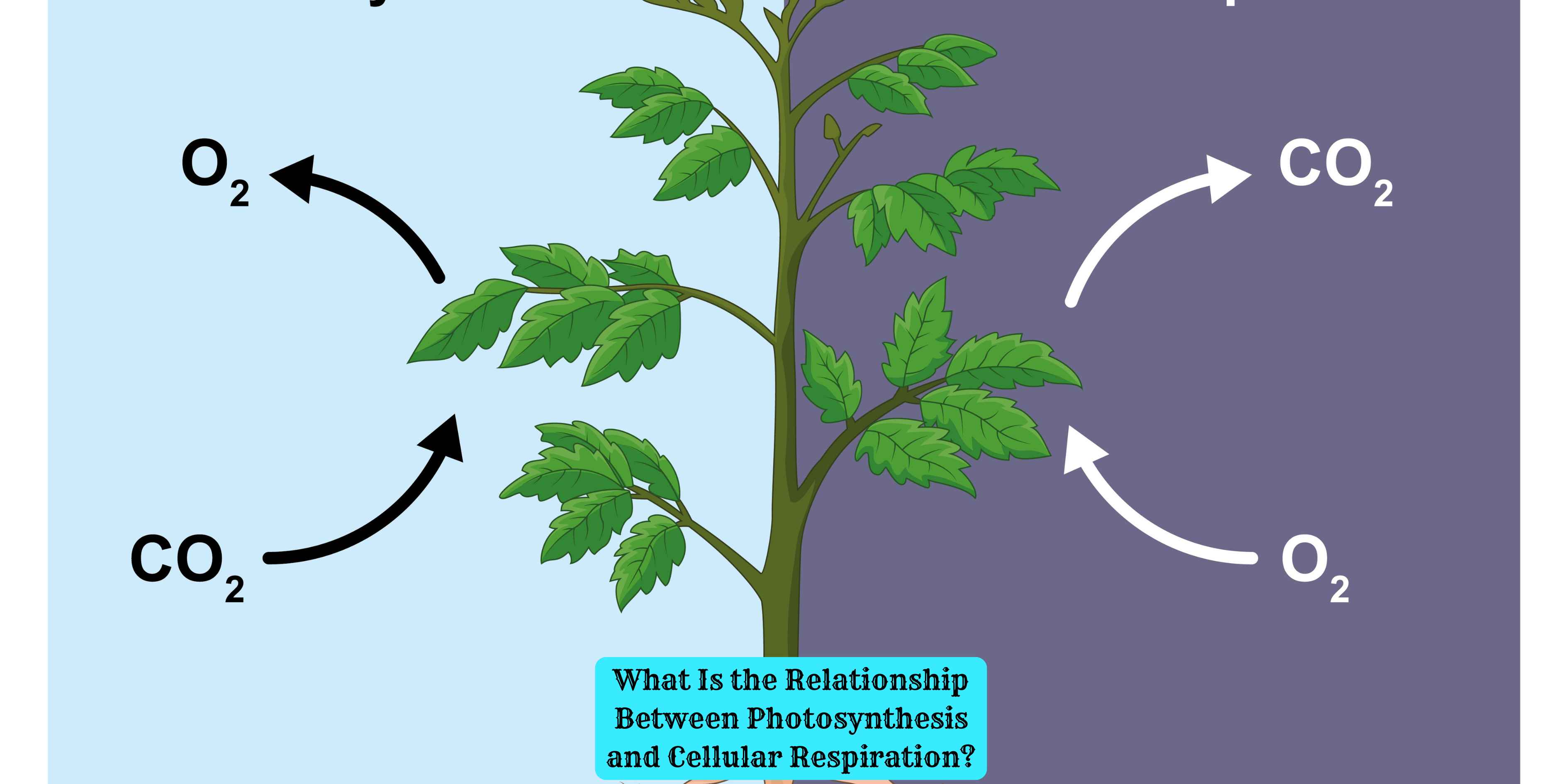
Photosynthesis and cellular respiration are connected because the products of one process are used in the other. Photosynthesis uses carbon dioxide, water, and light energy to make glucose and oxygen. Cellular respiration uses glucose and oxygen to release usable energy, producing carbon dioxide and water.
Photosynthesis stores energy, while cellular respiration releases energy.
Together, these processes help move energy through living systems and cycle carbon and oxygen through ecosystems.
In simple terms, plants capture energy from sunlight and store it in sugar. Cells then break that sugar down to make ATP, the energy cells can actually use for daily work.
The Photosynthesis Equation
Photosynthesis happens in plants, algae, and some bacteria. In plants, it mainly occurs in chloroplasts.
The simplified equation is:
carbon dioxide + water + light energy -> glucose + oxygen
Or chemically:
6CO2 + 6H2O + light -> C6H12O6 + 6O2
The plant captures light energy and stores it in the chemical bonds of glucose.
That stored glucose can be used by the plant itself, built into plant structures, or passed to animals and other organisms through food chains.
The Cellular Respiration Equation
Cellular respiration happens in plants, animals, fungi, protists, and many bacteria. In eukaryotic cells, much of it occurs in mitochondria.
The simplified equation is:
glucose + oxygen -> carbon dioxide + water + ATP
Or chemically:
C6H12O6 + 6O2 -> 6CO2 + 6H2O + ATP
ATP is the usable energy currency cells need for movement, growth, repair, transport, and other life processes.
Without ATP, cells would have food molecules available but no efficient way to power most cellular activities.
How the Two Processes Connect
The connection is easiest to see by comparing inputs and outputs.
| Process | Inputs | Outputs |
|---|---|---|
| Photosynthesis | Carbon dioxide, water, light | Glucose, oxygen |
| Cellular respiration | Glucose, oxygen | Carbon dioxide, water, ATP |
The glucose and oxygen made by photosynthesis can be used in cellular respiration. The carbon dioxide and water produced by cellular respiration can be used again in photosynthesis.
Energy Flow vs. Matter Cycling
Energy and matter behave differently in these processes.
Energy flows in one direction. Light energy enters through photosynthesis, becomes chemical energy in glucose, and is released as ATP during respiration. Some energy is lost as heat.
Matter cycles. Carbon, hydrogen, and oxygen atoms are rearranged into different molecules, but they are reused in ecosystems.
Do Plants Do Cellular Respiration?
Yes. A common misconception is that plants only do photosynthesis. Plants also perform cellular respiration because their cells need ATP.
During the day, plants can photosynthesize and respire. At night, when there is no light for photosynthesis, plants still respire by breaking down stored glucose.
This is why plants are both producers of glucose and users of glucose.
Why Animals Depend on Photosynthesis
Animals do not make their own glucose from sunlight. They depend directly or indirectly on photosynthesis for food energy and oxygen.
For example:
- A rabbit eats grass that made glucose through photosynthesis.
- A fox eats the rabbit and receives energy originally captured by plants.
- Both rabbit and fox use oxygen for cellular respiration.
In this way, photosynthesis supports most food webs.
Even animals that eat other animals still depend on photosynthesis indirectly, because the energy in the food chain usually began with producers capturing sunlight.
Why the Relationship Matters
The relationship between photosynthesis and cellular respiration matters because it helps explain:
- How energy enters ecosystems
- Why oxygen is available in the atmosphere
- How carbon moves through living things
- Why plants are essential producers
- How cells get usable energy
- How food webs depend on sunlight
Without photosynthesis, most organisms would lack food and oxygen. Without cellular respiration, organisms could not efficiently use the energy stored in food.
Final Takeaway
Photosynthesis and cellular respiration are complementary processes. Photosynthesis captures light energy and stores it in glucose. Cellular respiration breaks down glucose to release ATP.
The products of photosynthesis become the reactants of cellular respiration, and the products of cellular respiration can be reused in photosynthesis. Together, they connect energy flow, oxygen, carbon dioxide, and life on Earth.