

50 Reasons why College Athletes Should be Paid
College athletes generate billions in revenue for universities, sacrifice their bodies, and operate under professional-level demands — the argument for compensating them is both economic and ethical.
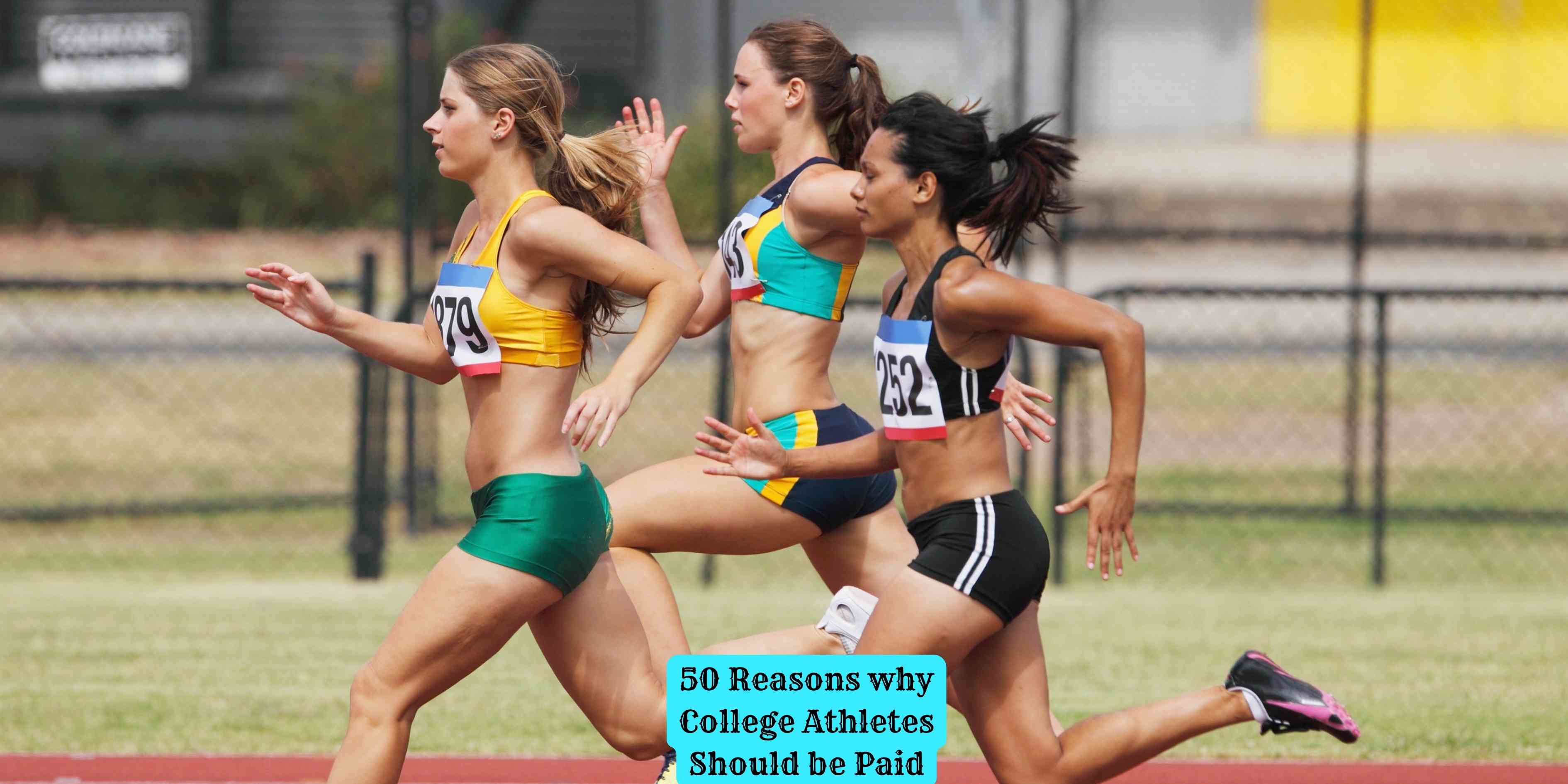
College athletes should be compensated because they generate enormous revenue for their institutions, operate under conditions indistinguishable from professional employment, take on serious physical risks, and are prohibited from profiting from their own names and performances by a system that benefits everyone except them. The introduction of NIL (Name, Image, and Likeness) rights in 2021 began to address this imbalance, but the fundamental structural inequity remains.
The NCAA’s amateur model was built on the premise that education compensates athletes — but when athletes generate hundreds of millions in revenue for institutions that spend relatively little of it on their education, the premise does not hold.
Revenue and Economic Arguments
- Power Five football programs generate hundreds of millions of dollars annually.
- NCAA March Madness generates approximately $1 billion in tournament rights revenue per year.
- Coaches and athletic directors receive multimillion-dollar salaries; players receive none.
- Universities build multimillion-dollar athletic facilities on the labor of unpaid athletes.
- Television contracts worth billions of dollars are built on athlete performance.
- Major advertisers spend enormous sums specifically because of the athletes’ visibility.
- Ticket revenues for top programs run into the tens of millions annually.
- Jersey sales and merchandise bearing athletes’ names and numbers generate revenue athletes do not share.
- Athletic programs receive significant apparel sponsorship money tied directly to team branding.
- University endowments grow partly from alumni donations stimulated by athletic success.
- Winning programs increase enrollment applications at universities by measurable margins.
- Athletic success increases the visibility and reputation of academic programs at the same institution.
Time and Labor Arguments
- Division I athletes typically spend 40-50 hours per week on athletic obligations during season.
- Preseason training, travel, and film study extend time commitments beyond what is publicly reported.
- Athletes are recruited to campuses with the explicit expectation that sport is their primary obligation.
- The time demands of Division I athletics are incompatible with taking a paying part-time job.
- Athletes are functionally full-time employees of their athletic programs without employment status.
- Practice, travel, games, and media obligations leave little time for conventional college experiences.
- Off-season training requirements extend the commitment year-round.
- Many athletes are expected to be available to coaches for informal obligations not captured in official schedules.
Physical Risk Arguments
- College athletes suffer serious injuries — torn ligaments, concussions, broken bones — at high rates.
- Many college athletes play through injuries because the alternative is losing their scholarship.
- Long-term health consequences of concussions and repetitive impact are well-documented.
- Athletes who suffer career-ending injuries often lose their scholarships without compensation.
- College athletes have no workers’ compensation protection for injuries sustained in their athletic roles.
- Joint and muscle damage sustained in college athletics can create lasting health costs that no scholarship covers.
- Football players face cumulative brain trauma risks with lifelong neurological consequences.
- Scholarships cover tuition while athletes are enrolled, but do not compensate for post-career health costs.
Equity and Racial Justice Arguments
- Black athletes are heavily overrepresented in the most revenue-generating sports while remaining excluded from the financial benefits.
- The amateur model extracts labor from predominantly Black athletes while financial benefits accrue to predominantly white administrators and coaches.
- Many college athletes come from lower-income backgrounds and cannot meet personal financial needs on a scholarship alone.
- Athletes on full scholarship are still unable to afford textbooks, transportation, and personal expenses that non-athletes manage through employment.
- The prohibition on compensation disproportionately burdens first-generation college students with no other financial support.
- Athletes in revenue sports often fund non-revenue sports through their labor without any acknowledgment of that subsidy.
- Black coaches and athletic directors are still underrepresented despite Black athletes generating the primary revenue.
Educational Arguments
- Scholarships often do not cover the full cost of attendance once non-tuition expenses are included.
- Many revenue sport athletes are steered toward easier course loads that do not serve their long-term interests.
- The time demands of athletics make academic rigor difficult for athletes in high-commitment programs.
- Athletes who do not go professional have no compensation for years of labor their education was supposed to offset.
- The assumption that education is full compensation fails when the quality of education actually received is compromised by athletic demands.
- Graduate students teach classes and receive stipends; athletes teach audiences and receive scholarships with no stipend.
Arguments From the NIL Era
- The introduction of NIL rights in 2021 confirmed that athletes can monetize their names without corrupting collegiate sport.
- NIL demonstrated that the amateurism argument was not about sport integrity but about maintaining a compensation-free labor pool.
- Some athletes now receive six-figure NIL deals; others receive nothing, creating enormous inequity within the same team.
- NIL has not addressed the core issue: athletes generating institutional revenue in which they have no share.
- The transfer portal and NIL landscape increasingly resemble professional free agency, yet direct compensation remains off-limits.
- Revenue-sharing models would provide more equitable distribution than NIL, which rewards marketability over contribution.
Moral and Philosophical Arguments
- Young athletes are denied the right to profit from their own performance — a right every other college student retains.
- A music student can perform professionally while enrolled; an athlete cannot.
- The “student-athlete” identity was specifically constructed to avoid employment classification and workers’ compensation liability.
- Amateur status was historically used to exclude working-class and non-white athletes from formal competition.
- The moral claim that athletes are students first is undermined by institutions that treat athletics as the primary obligation.
- Every other person involved in college athletics — coaches, administrators, conference officials, network executives — is paid. The athletes who make the enterprise possible are not.
- The athletes bear the physical and personal costs of the system while others capture its financial returns.
- Full compensation would allow athletes to make more genuinely free choices about whether and where to play.
The argument for paying college athletes is not about money corrupting sport. It is about acknowledging that a system in which everyone profits from athletic labor except the athletes is neither fair nor sustainable. For those weighing college decisions broadly, 10 things to consider when choosing a college offers broader guidance on how to evaluate what an institution actually offers — including athletes assessing what their scholarship is really worth.