

Gay Marriage Legalization in US States
Same-sex marriage is legal nationwide in the United States because of a 2015 Supreme Court decision.
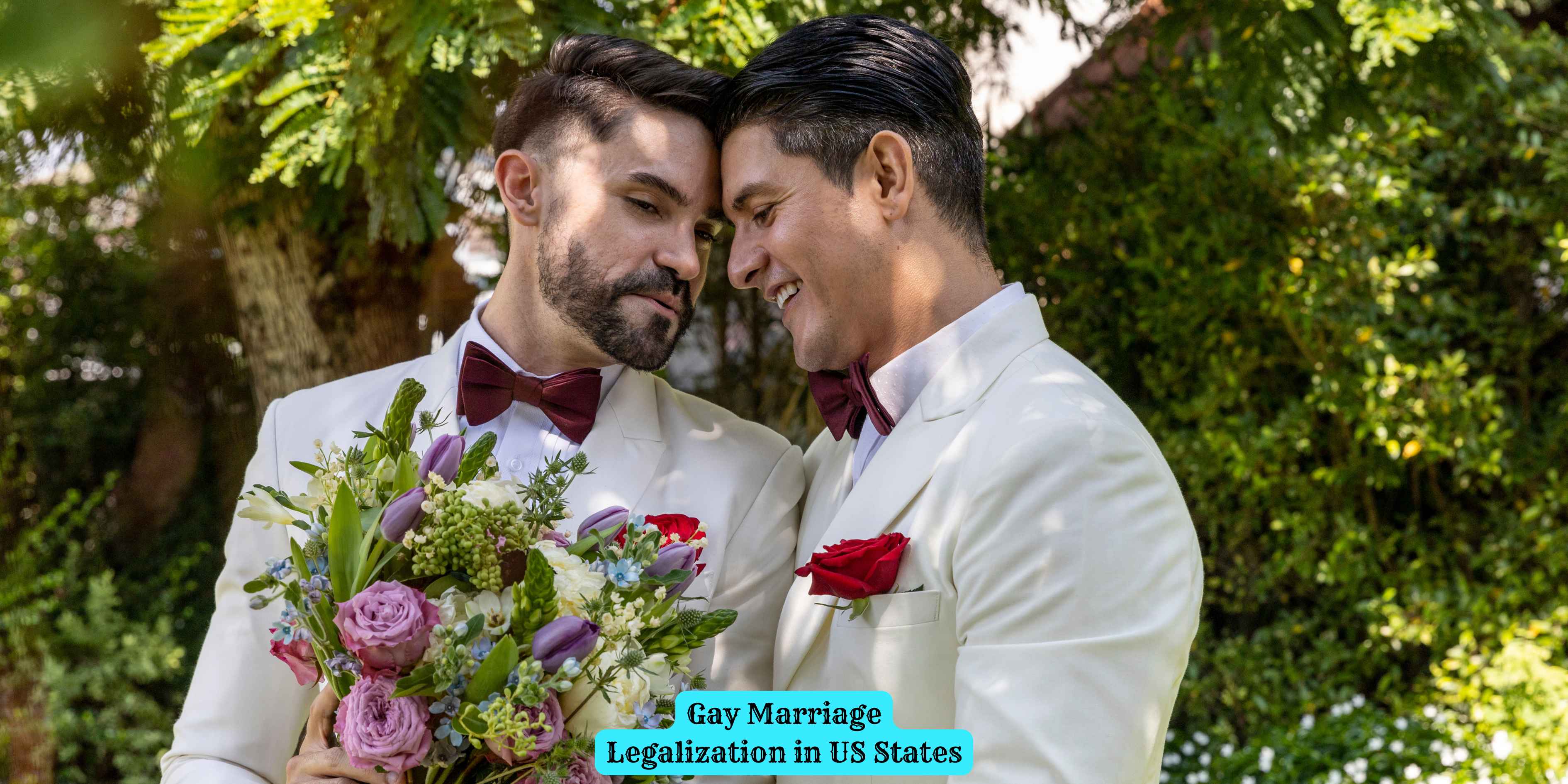
Gay marriage, more commonly called same-sex marriage or marriage equality, is legal in all 50 US states. The nationwide rule comes from the US Supreme Court’s 2015 decision in Obergefell v. Hodges, which held that states must license marriages between same-sex couples and recognize same-sex marriages lawfully performed elsewhere.
Before that decision, marriage laws varied widely by state. Some states allowed same-sex couples to marry, some recognized marriages from other states, and others banned same-sex marriage by statute or state constitutional amendment.
The key change in 2015 was that same-sex marriage stopped depending on the state where a couple lived.
What Obergefell v. Hodges Changed
Obergefell v. Hodges was decided on June 26, 2015. The Supreme Court ruled that the Fourteenth Amendment protects the right of same-sex couples to marry. That meant state bans on same-sex marriage could no longer be enforced.
The decision did two major things:
- Required every state to issue marriage licenses to same-sex couples.
- Required every state to recognize same-sex marriages legally performed in another state.
This recognition rule was especially important. Before nationwide legalization, a couple could be legally married in one state and then face uncertainty if they moved to or traveled through another state.
Why Marriage Law Was Different by State Before 2015
Marriage has traditionally been regulated by states. States set rules for marriage licenses, age requirements, divorce, property rights, and related family-law matters. That is why same-sex marriage developed unevenly across the country.
Some states legalized same-sex marriage through court rulings. Others did so through legislation or voter approval. Several states kept bans in place until federal courts struck them down or until Obergefell settled the issue nationally.
The result was a legal patchwork. A couple’s rights could depend heavily on geography.
A Simple Timeline of Legalization
| Year | Development |
|---|---|
| 2004 | Massachusetts became the first state where same-sex couples could marry. |
| 2013 | The Supreme Court struck down part of the federal Defense of Marriage Act in United States v. Windsor. |
| 2015 | Obergefell v. Hodges made same-sex marriage legal nationwide. |
| 2022 | The Respect for Marriage Act added federal statutory recognition protections. |
This timeline is simplified, but it shows the broad movement from state-by-state recognition to nationwide constitutional protection.
What the Respect for Marriage Act Does
The Respect for Marriage Act, signed in 2022, does not replace Obergefell. Instead, it adds federal statutory protections. It requires the federal government and states to recognize valid marriages, including same-sex and interracial marriages, if they were lawfully entered into in a state, territory, or possession.
This law matters because it creates another layer of protection for marriage recognition. It does not force every religious organization to perform marriages contrary to its beliefs, and it does not erase all state-level debates about family law. But it strengthens recognition of marriages that are valid where performed.
Are Old State Bans Still on the Books?
Some states still have older constitutional language or statutes that once banned same-sex marriage. Those provisions are unenforceable under Obergefell, but they may remain in state legal texts unless formally repealed.
That is why some states have taken steps to remove old bans or add explicit state-level marriage-equality protections. These measures are mostly about legal clarity and protection if federal precedent were ever reconsidered.
What Rights Marriage Affects
Marriage affects many practical rights and responsibilities. These can include:
- Filing taxes jointly.
- Hospital visitation and medical decision-making.
- Inheritance rights.
- Spousal benefits.
- Adoption and parental recognition issues.
- Divorce and property division.
- Immigration benefits for qualifying couples.
This is why the same-sex marriage debate was not only symbolic. Legal marriage can affect everyday family security.
What Is Still Debated
Same-sex marriage is legal nationwide, but related legal and cultural debates continue. Some involve religious liberty, anti-discrimination law, parental rights, adoption, and whether businesses or officials may decline participation in wedding-related services.
Those debates do not change the basic national rule: same-sex couples can marry in every US state. But they do show why marriage equality remains connected to broader questions about civil rights and constitutional law.
Bottom Line
Gay marriage legalization in US states is now a nationwide reality. Since June 26, 2015, every state has been required to license and recognize same-sex marriages. The Respect for Marriage Act later added federal statutory protections for recognition.
The easiest way to remember it is this: states still administer marriage, but they cannot deny marriage to same-sex couples simply because of the couple’s sex.