

How Long Does a Cut Take to Heal?
Small cuts may begin closing within days, but healing time depends on depth, location, cleanliness, health, and signs of infection.
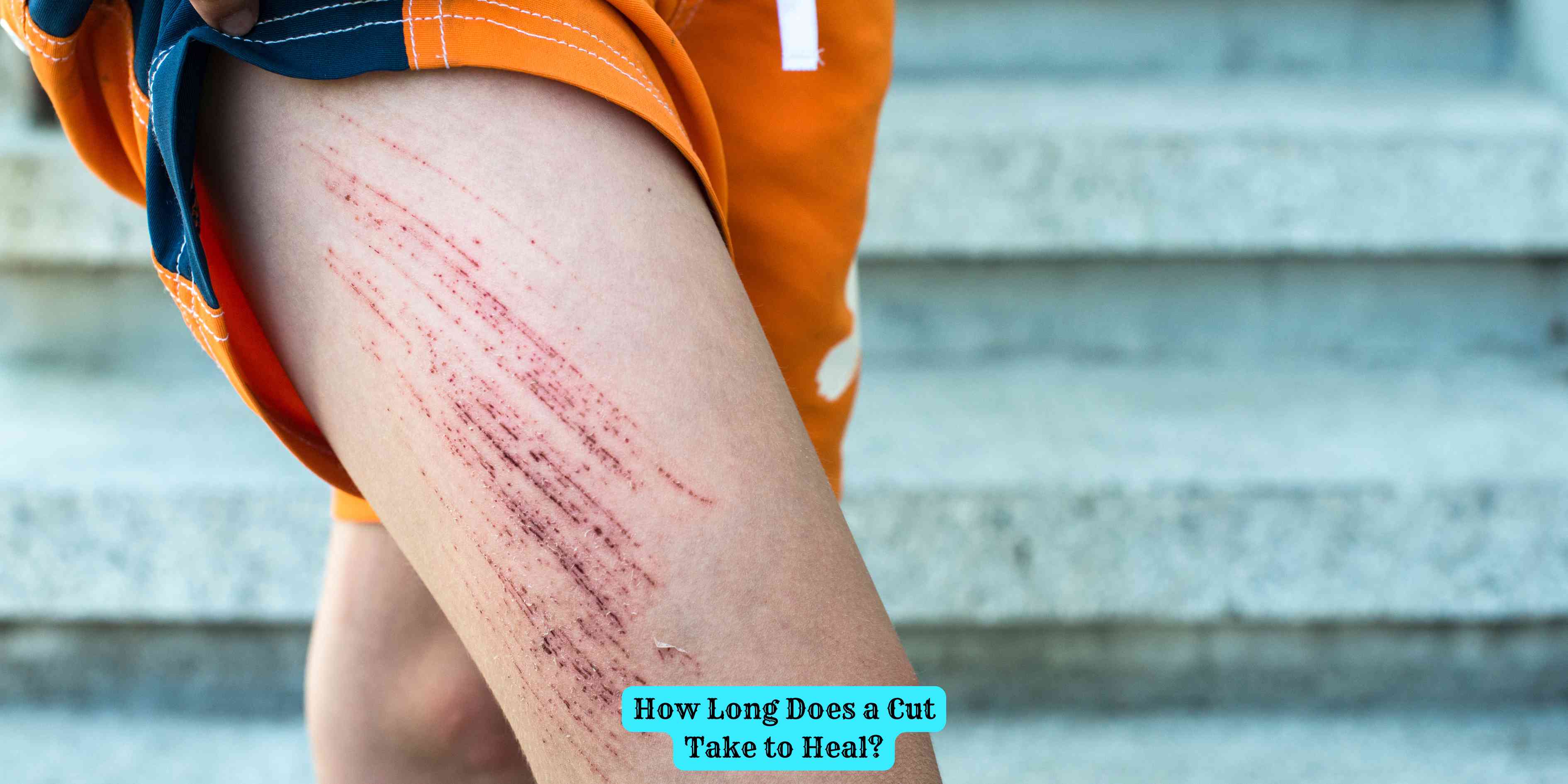
Most small cuts heal without major problems, but the timeline can feel confusing. One cut may look better after two days, while another stays tender for a week. The difference often comes down to how deep the cut is, where it is on the body, how clean it stays, and whether infection or irritation slows the process.
This article is educational and does not replace medical care. If a wound is deep, dirty, caused by a bite, bleeding heavily, or showing signs of infection, get professional help.
A minor cut often starts sealing within a few days, but complete skin repair can take longer than the surface appearance suggests.
The Short Answer
A small, clean cut may look noticeably better within 3 to 7 days. A deeper cut can take 1 to 3 weeks or longer, especially if it is on a joint, keeps reopening, or becomes infected.
Healing is not only about whether the cut has “closed.” Under the surface, the body continues rebuilding tissue and strengthening the skin after the visible wound looks better.
What Happens During Cut Healing
Cut healing usually happens in stages. First, the body tries to stop bleeding by forming a clot. Then inflammation brings immune cells to the area to clean and protect the wound. After that, new tissue begins to fill the gap, and the skin gradually rebuilds.
In simple terms, the stages are:
- Bleeding control and clotting.
- Cleaning and inflammation.
- New tissue growth.
- Strengthening and remodeling.
Mild redness, swelling, and tenderness can be normal early in healing. But worsening redness, increasing pain, warmth, pus, red streaks, fever, or swelling that spreads can suggest infection.
How Long Small Cuts Usually Take
Small paper cuts, shallow kitchen cuts, or minor scrapes may start closing quickly. Many look much better in a few days and may form a scab as protection. The scab should be left alone because picking it can reopen the wound and delay healing.
Even when a small cut looks closed, the skin may remain sensitive for a while. New skin is delicate, so friction, scratching, or repeated washing can irritate it.
Basic care helps small cuts heal:
- Wash your hands before touching the wound.
- Rinse the cut with clean running water.
- Gently clean around it with soap.
- Cover it with a clean dressing if it may get dirty or rubbed.
- Change the dressing as needed.
Why Some Cuts Take Longer
Some cuts heal slowly because the body has more repair work to do. A deeper wound, a cut with jagged edges, or a wound over a moving joint may take longer than a shallow straight cut.
Healing can also slow down because of:
- Infection.
- Poor blood flow.
- Diabetes or immune problems.
- Smoking.
- Certain medications.
- Poor nutrition.
- Repeated friction or reopening.
- Dirt or debris left in the wound.
Location matters too. Cuts on fingers, knuckles, feet, knees, or elbows may reopen because those areas move often. A cut under pressure from shoes or tools may also heal more slowly.
When a Cut May Need Stitches
Some cuts need medical care to close properly. Stitches, medical glue, or strips may be needed if the edges do not stay together, the wound is deep, or important structures could be involved.
Seek medical care promptly if:
- The cut is deep or gaping.
- Bleeding does not stop after steady pressure.
- You can see fat, muscle, tendon, or bone.
- The wound is on the face, hand, joint, or genitals.
- The cut came from a bite, rusty object, dirty object, or puncture.
- You may need a tetanus shot.
Getting care early can reduce infection risk and improve healing, especially for wounds that may scar or affect movement.
Signs a Cut Is Not Healing Well
A cut should gradually improve. Pain, swelling, and redness should not keep getting worse. If the wound seems stuck, looks more inflamed, smells bad, drains pus, or becomes more painful, it may be infected or irritated.
Watch for warning signs such as:
- Increasing redness or warmth.
- Swelling that spreads.
- Pus or cloudy drainage.
- Fever or chills.
- Red streaks from the wound.
- Numbness or loss of movement.
- Wound edges that keep opening.
Do not ignore these signs. Infection can spread, and early treatment is usually easier than waiting.
How to Support Faster Healing
The best way to support healing is to protect the wound and avoid disturbing the repair process. Keep it clean, cover it when needed, and avoid picking scabs. If the dressing gets wet or dirty, replace it with a clean one.
It also helps to eat enough protein, drink water, sleep well, and avoid smoking. The body needs energy and nutrients to build new tissue.
Avoid harsh cleaning methods such as repeatedly scrubbing the wound or using strong chemicals unless a clinician tells you to. Gentle cleaning is usually enough for minor cuts.
Final Thoughts
So, how long does a cut take to heal? A minor cut may improve within days, while deeper or irritated cuts can take weeks. The key is steady improvement. If the wound is getting cleaner, less painful, and more closed over time, healing is likely moving in the right direction.
If the cut is deep, dirty, infected, or not improving, get medical advice. A small wound usually heals well with good care, but the body sometimes needs extra help.