

How to Decrease the Risk of Developing Smoking-Related Cancers
Quitting smoking is the single biggest step, but screening, diet, and avoiding secondhand smoke also lower the risk of smoking-related cancers.
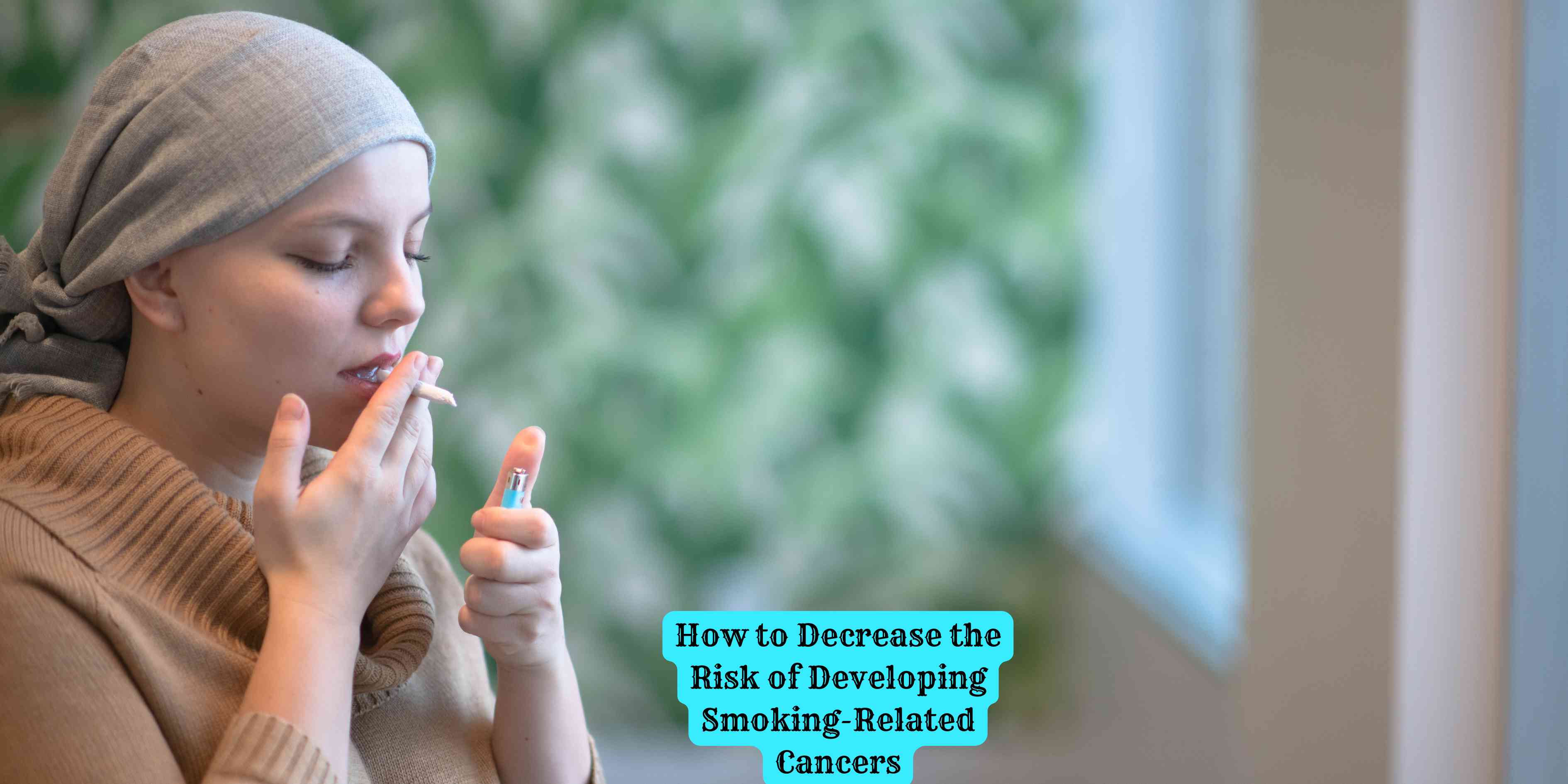
The Short Answer
The risk of developing smoking-related cancers can be decreased by quitting smoking, avoiding secondhand smoke, limiting alcohol, eating a diet rich in fruits and vegetables, staying physically active, and getting recommended cancer screenings. Risk drops sharply within the first few years of quitting and continues to fall the longer a person stays smoke-free.
No single action eliminates risk completely, but quitting smoking is the most powerful step a person can take to lower it.
Quit Smoking as Early as Possible
Quitting is the most effective way to reduce the risk of lung, throat, mouth, esophageal, bladder, and other smoking-related cancers. The body begins repairing itself soon after the last cigarette, and cancer risk continues to decline the longer a person stays smoke-free.
It is never too late to benefit from quitting. Even people who have smoked for decades see a measurable drop in risk after quitting, compared with continuing to smoke.
Support tools such as nicotine replacement therapy, prescription medications, counseling, and quitlines can make quitting more successful than trying alone.
Avoid Secondhand and Thirdhand Smoke
Secondhand smoke contains many of the same cancer-causing chemicals as inhaled smoke and raises the risk of lung cancer in non-smokers who are regularly exposed. Thirdhand smoke, the residue that clings to fabric, furniture, and surfaces, can also expose people to harmful chemicals.
Reducing risk means avoiding smoky environments, asking smokers not to smoke indoors or in vehicles, and choosing smoke-free housing and workplaces when possible.
This matters especially for children, whose developing lungs are more vulnerable to smoke exposure.
Limit Alcohol Consumption
Alcohol and tobacco use together increase cancer risk more than either one alone, particularly for cancers of the mouth, throat, and esophagus. The combination allows carcinogens to penetrate tissue more easily.
Limiting alcohol, especially for current or former smokers, is a practical way to lower combined risk.
Eat a Diet Rich in Fruits and Vegetables
Diets high in fruits, vegetables, and whole grains are associated with lower rates of several smoking-related cancers. These foods provide antioxidants, fiber, and nutrients that support the body’s ability to repair cellular damage.
Reducing processed and charred meats may also help, since these have been linked to increased cancer risk independent of smoking.
Stay Physically Active
Regular physical activity supports immune function, helps maintain a healthy weight, and is linked to lower rates of several cancers. For smokers and former smokers, staying active is one of the additional habits that can help offset risk.
Activity does not need to be intense. Consistent movement, such as walking, cycling, or light exercise, provides meaningful benefit over time.
Get Recommended Cancer Screenings
Low-dose CT lung cancer screening is recommended for certain current and former heavy smokers within specific age ranges, since early detection significantly improves outcomes. Routine dental and medical checkups can also catch early signs of mouth, throat, and other smoking-related cancers.
Screening does not prevent cancer, but it allows problems to be caught earlier, when treatment is more likely to succeed. Anyone with a significant smoking history should talk to a healthcare provider about which screenings apply to them.
Reduce Exposure to Other Carcinogens
Tobacco smoke is not the only cancer risk factor. Radon gas, asbestos, certain workplace chemicals, and excessive UV exposure can compound risk, especially for people who smoke or have smoked. Testing homes for radon, using proper protective equipment at work, and limiting unnecessary chemical exposure all support lower overall cancer risk.
Key Takeaway
Decreasing the risk of smoking-related cancers starts with quitting smoking and avoiding secondhand smoke, then builds with a healthy diet, physical activity, limited alcohol, and appropriate cancer screenings.
Risk reduction is cumulative. Every smoke-free year and every healthy habit adds up to meaningfully lower the chance of developing a smoking-related cancer.