

Blog
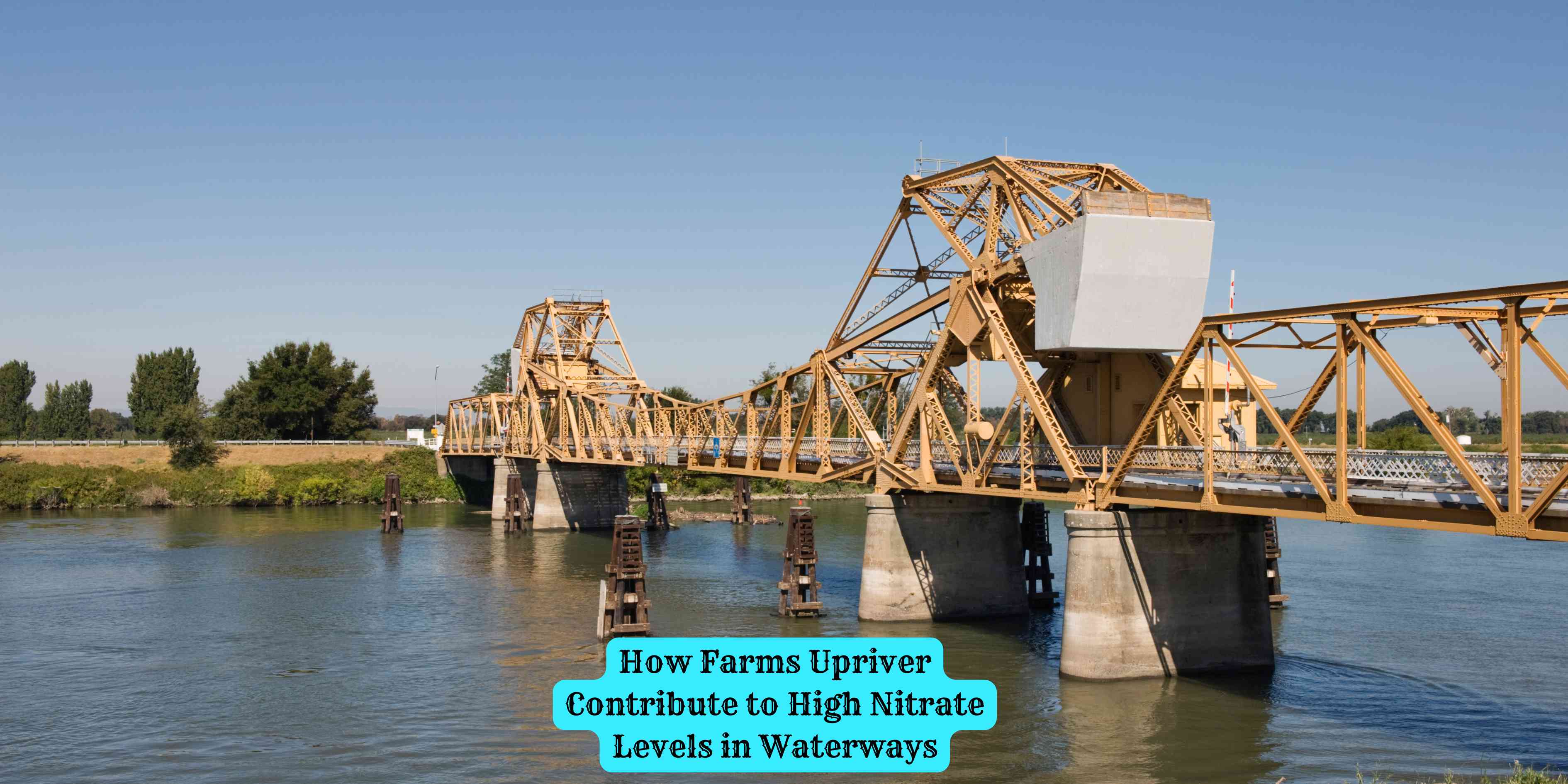
How Farms Upriver Contribute to High Nitrate Levels in Waterways
Farms upriver can raise nitrate levels when fertilizer and manure move from fields into streams, rivers, and groundwater.
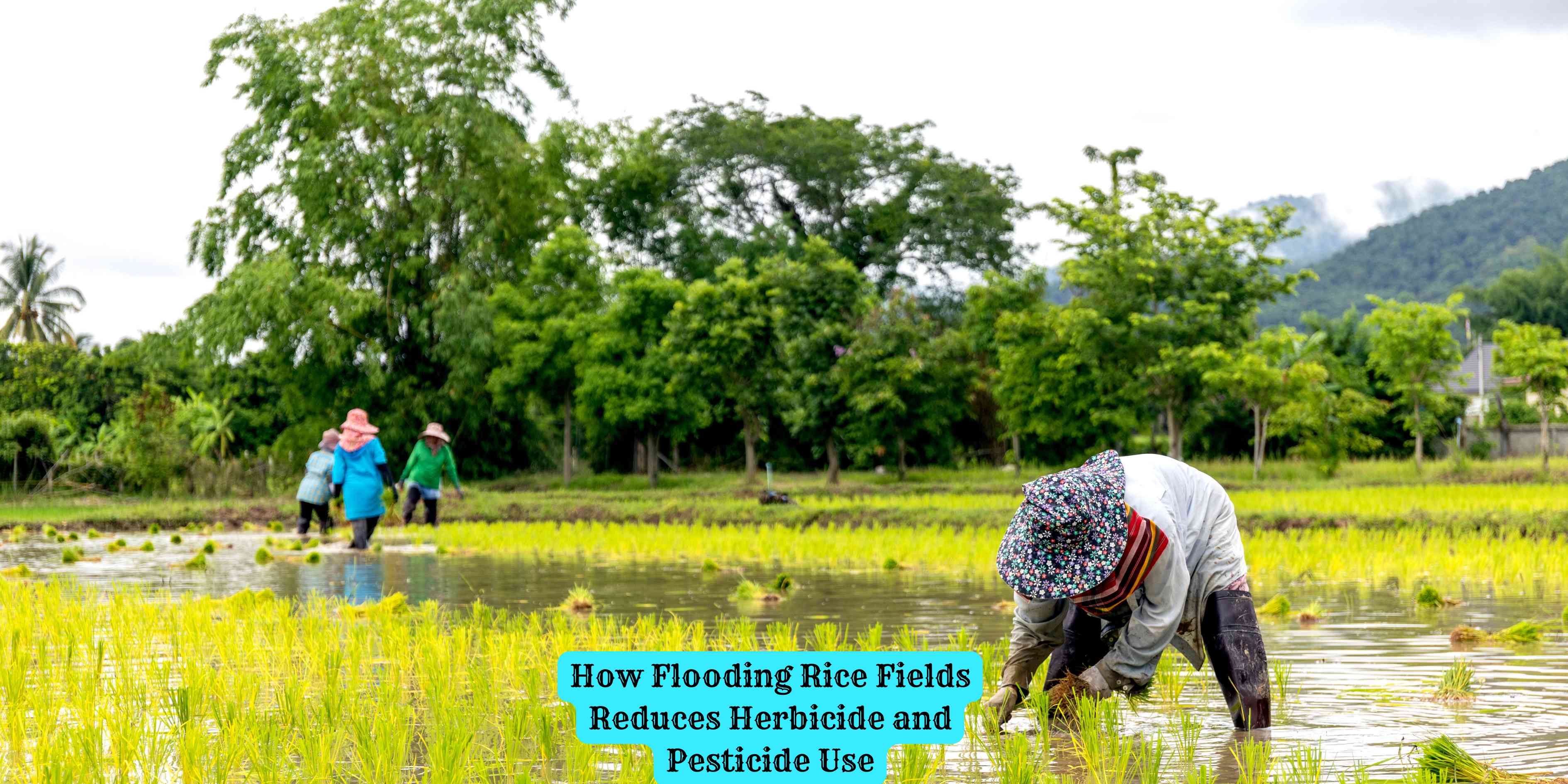
How Flooding Rice Fields Reduces Herbicide and Pesticide Use
Flooding rice fields can reduce some chemical use because standing water suppresses many weeds and changes the field environment.
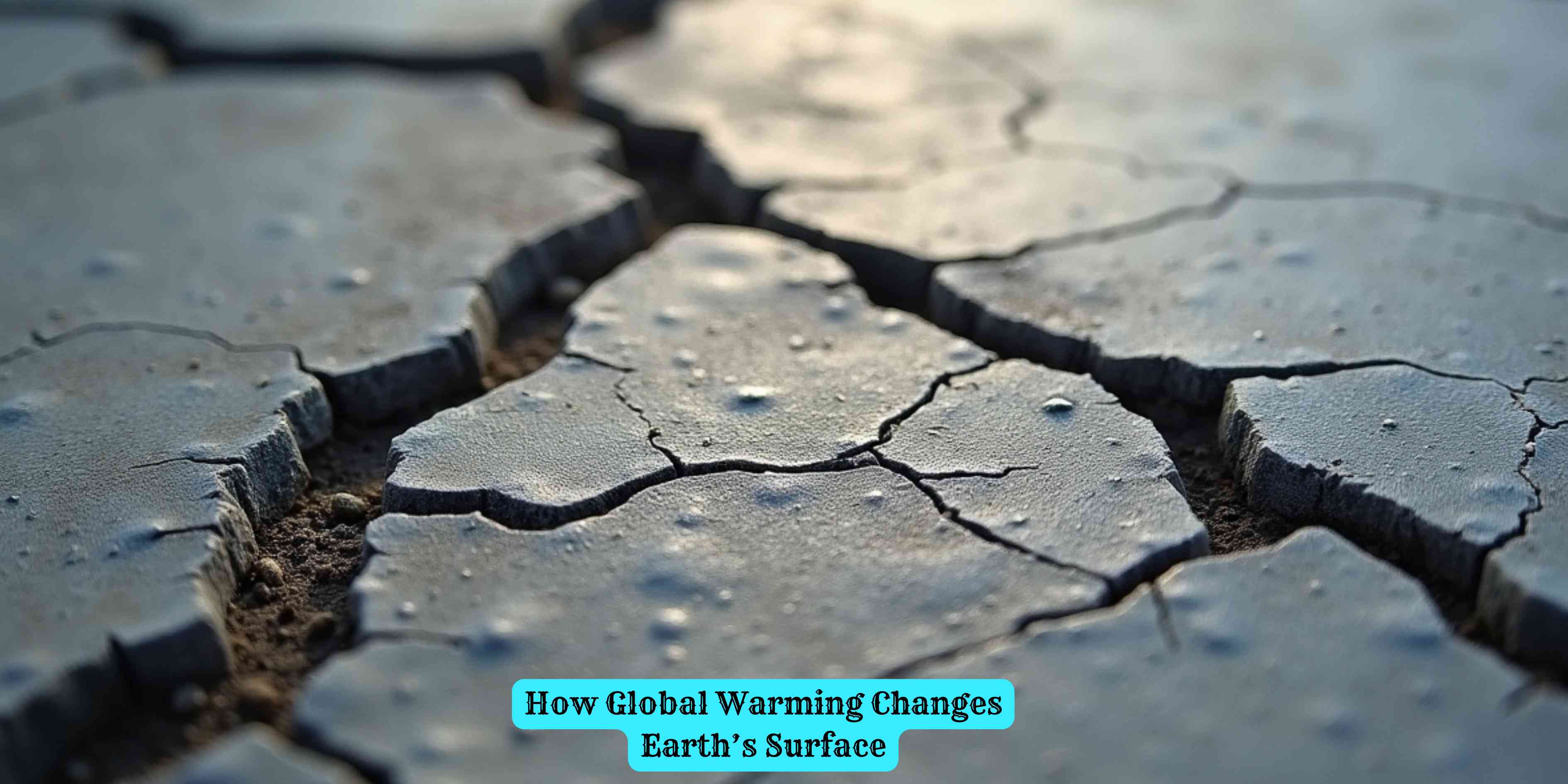
How Global Warming Changes Earth’s Surface
Global warming changes Earth’s surface by altering ice, oceans, coastlines, soils, vegetation, and the water cycle.
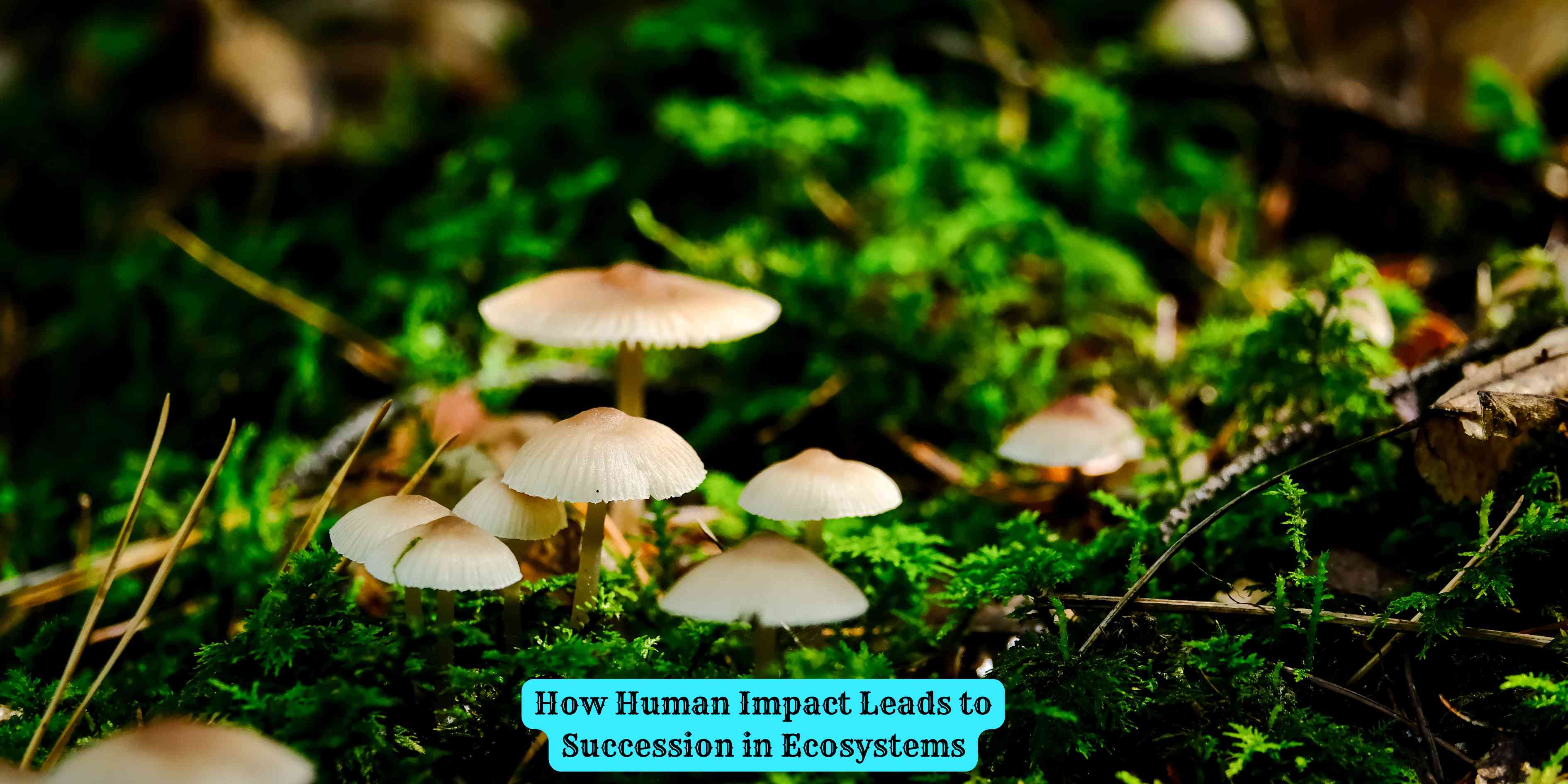
How Human Impact Leads to Succession in Ecosystems
Human impact can start ecological succession by disturbing a habitat and creating new conditions for species to colonize.

How Long Did the Roman Empire Last?
The Roman Empire lasted for centuries, but the exact number depends on whether you count only the West or include Byzantium.
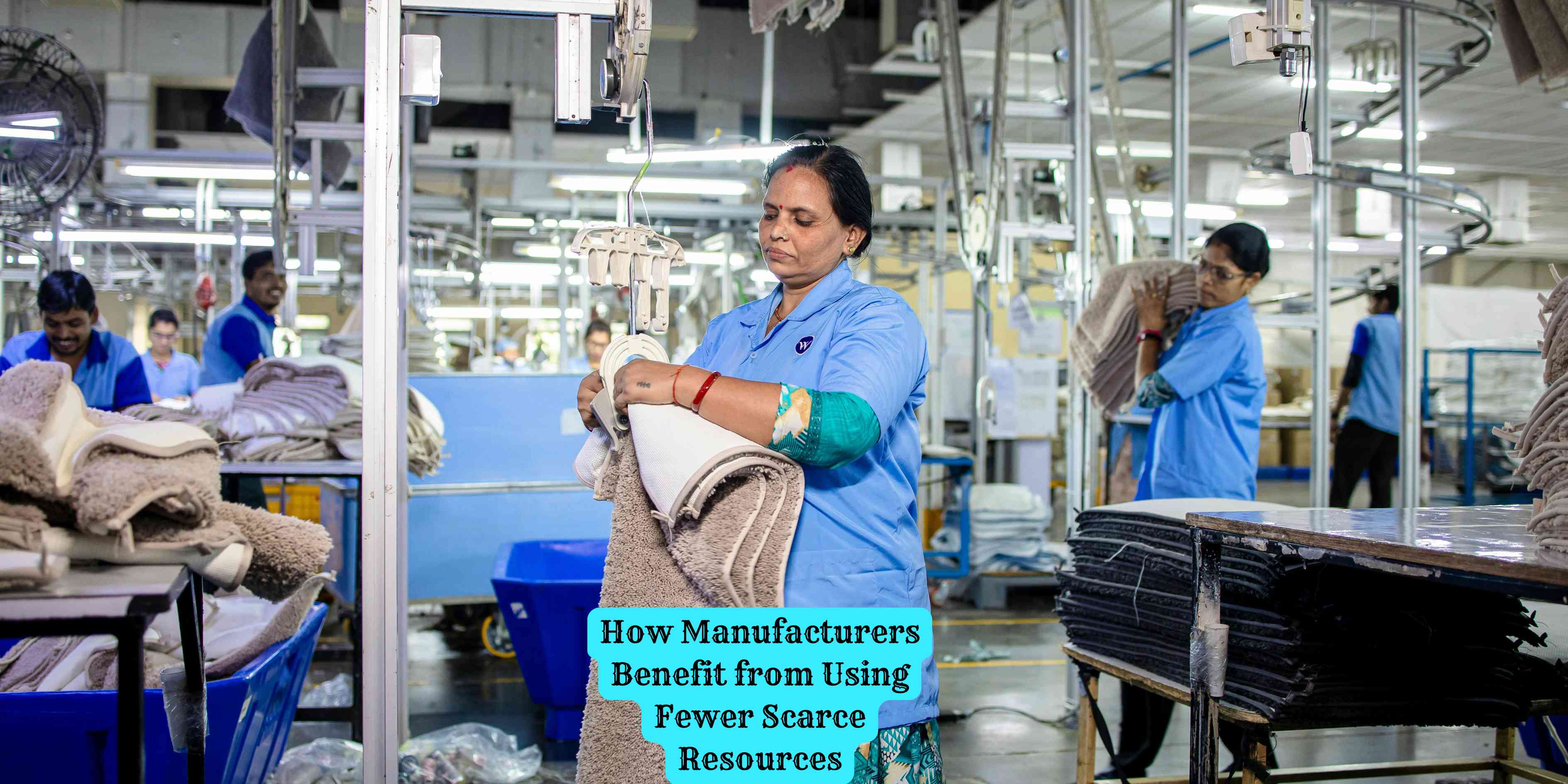
How Manufacturers Benefit from Using Fewer Scarce Resources
A manufacturer benefits from using fewer scarce resources by lowering costs, reducing waste, improving efficiency, and becoming more competitive.

How Many Illegal Immigrants Are in the US in 2026?
After reaching a record 14 million in 2023, the unauthorized immigrant population peaked in early 2025 and has been declining sharply since — driven by record-low border crossings and the largest deportation operation in US history.

How Natural Selection Drives Organism Adaptation Over Time
Natural selection explains adaptation by showing how helpful inherited traits become more common across generations.
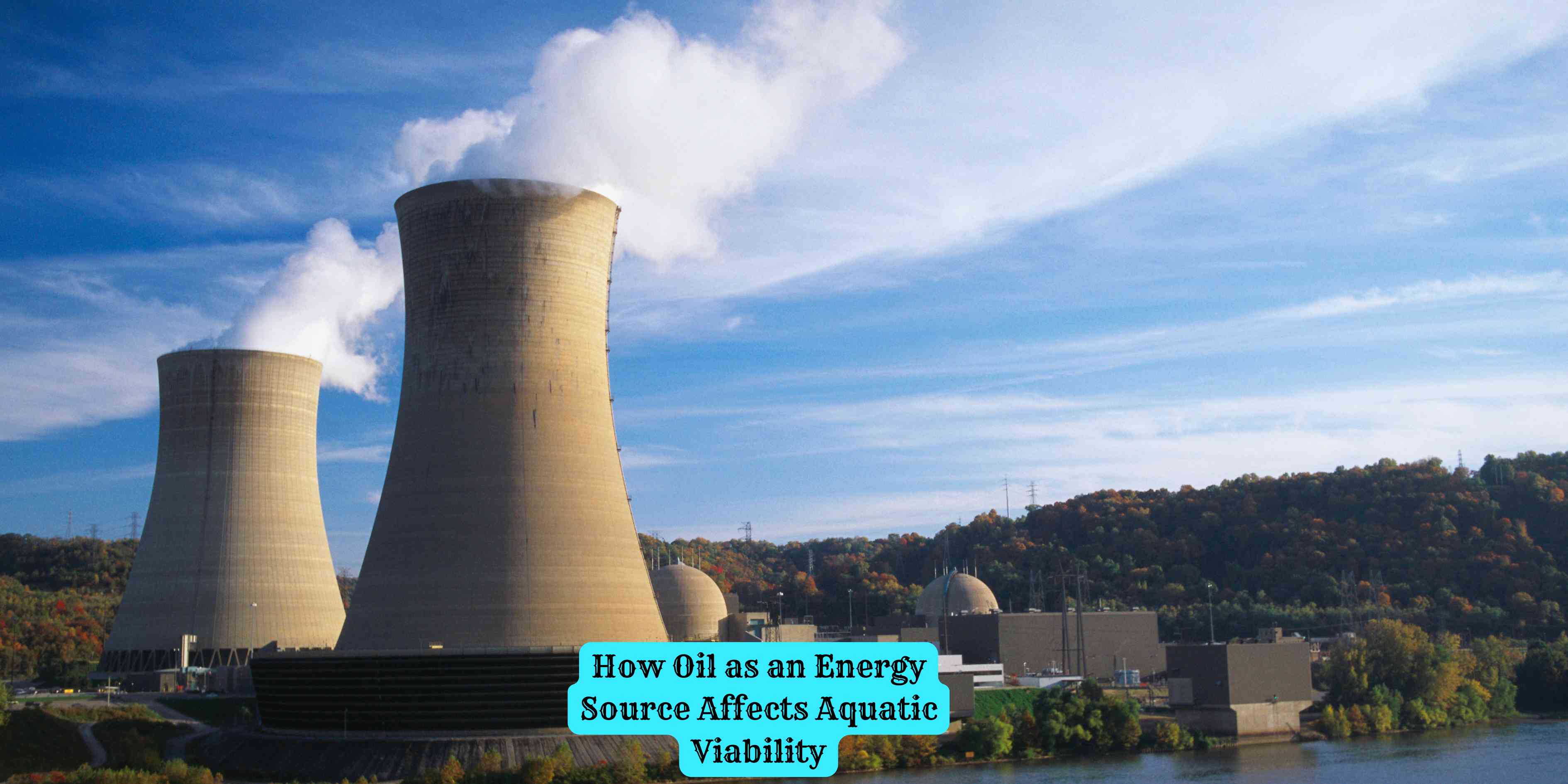
How Oil as an Energy Source Affects Aquatic Viability
Oil can affect aquatic viability through spills, toxic exposure, habitat damage, runoff, and broader pollution linked to energy use.