

Why Is Early Childhood Education Important?
Early childhood education is important because young children build brain, language, social, emotional, and learning foundations that shape future development.
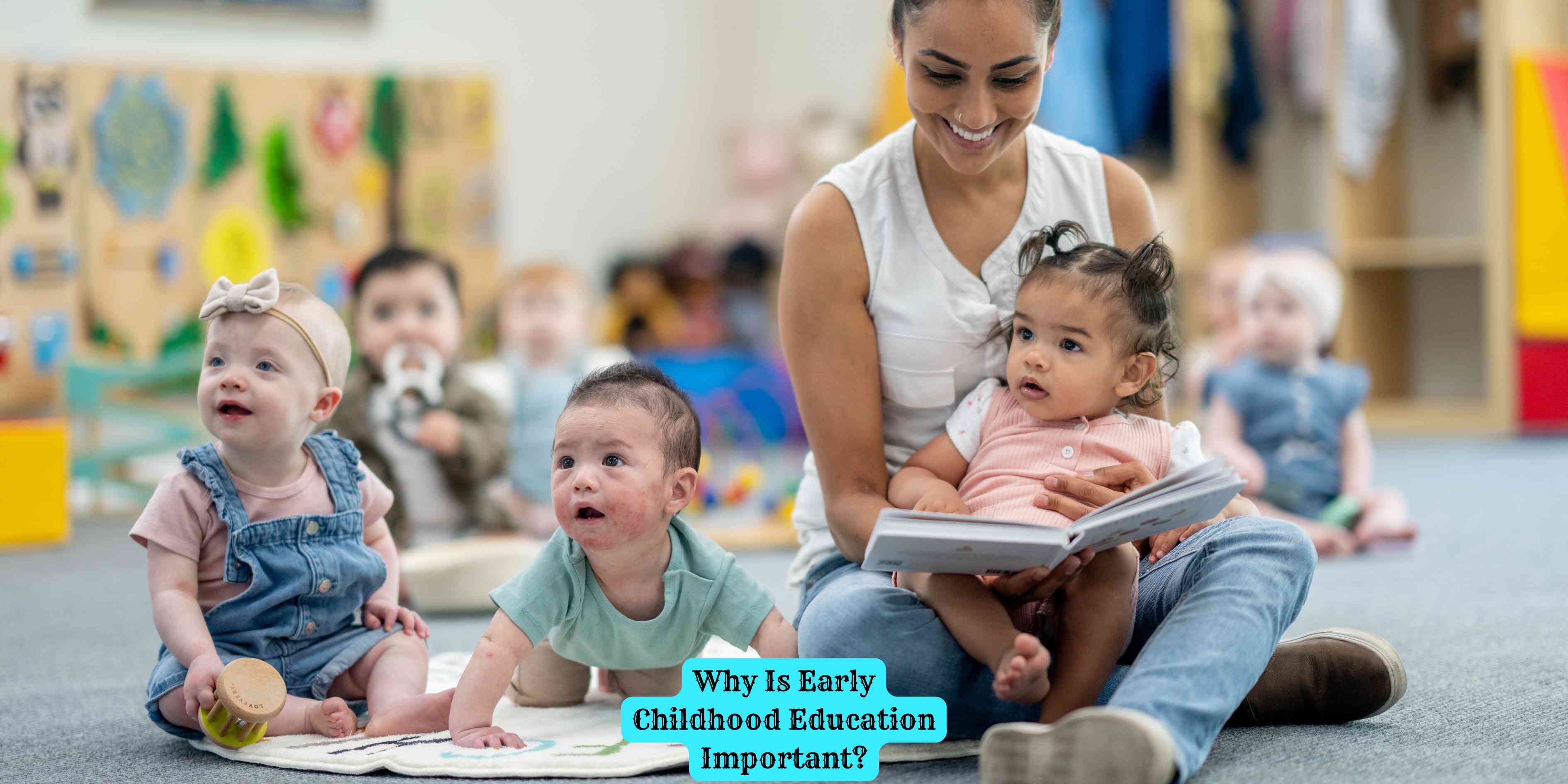
Early childhood education is important because the early years shape the foundation for learning, behavior, health, relationships, and future school success. From birth through age 8, children develop rapidly across physical, social, emotional, language, and cognitive areas.
High-quality early learning does not mean pushing young children into formal academics too soon. It means creating safe, warm, playful, language-rich, developmentally appropriate environments where children can explore, communicate, build confidence, and learn how to relate to others.
Early childhood education matters because young children are not just preparing for school; they are building the brain, language, social, and emotional foundations that future learning depends on.
The quality of early education matters. A caring, skilled teacher and a supportive environment can help children grow, while poor-quality care can miss important opportunities.
The Short Answer
Early childhood education is important because it supports development during a period when the brain is highly responsive to experience. Harvard’s Center on the Developing Child explains that early experiences shape brain architecture and provide the foundation for future learning, behavior, and health.
Early childhood education helps children:
- Develop language and communication
- Build social and emotional skills
- Practice problem-solving
- Strengthen attention and self-control
- Learn early literacy and math concepts
- Build confidence and independence
- Prepare for school routines
- Experience safe relationships with adults and peers
It also supports families by connecting them with teachers, resources, routines, and early identification of developmental needs.
Brain Development Happens Fast
Young children’s brains develop through repeated experiences. When adults talk, read, sing, play, comfort, and respond to children, those interactions help build neural connections.
UNICEF notes that early childhood is a period of rapid brain development. This does not mean everything is fixed forever in early childhood, but it does mean early experiences are powerful.
A high-quality early childhood classroom gives children chances to use their senses, move their bodies, ask questions, listen to stories, solve problems, and interact with caring adults. These experiences help the brain practice attention, memory, language, and emotional regulation.
Stress also matters. Chronic stress and unsafe environments can interfere with healthy development. NAEYC emphasizes that high-quality early childhood education can support resilience and healthy development, especially when children face adversity.
Early education is not a shortcut around family, health, or community needs. It is one part of a larger support system.
Language and Literacy Start Early
Children begin learning language long before they can read. They listen to sounds, copy words, ask questions, hear stories, and learn how conversation works.
Early childhood education supports language by surrounding children with meaningful talk. Teachers name objects, ask open-ended questions, read aloud, sing songs, introduce new vocabulary, and encourage children to explain their thinking.
These moments prepare children for later reading and writing. A child who has heard many words, practiced storytelling, and learned how books work often enters school with stronger literacy foundations.
Early literacy does not have to mean worksheets. It can include story time, rhymes, drawing, pretend play, letter exploration, classroom labels, and conversations about pictures.
For older students, writing skill continues to build on these foundations. This article on why writing is important for students explains how communication skills matter across school and life.
Social and Emotional Skills Grow Through Practice
Early childhood education helps children learn how to share space with others. They practice taking turns, expressing feelings, asking for help, solving conflicts, waiting, listening, and joining group activities.
These skills are not automatic. Young children need modeling, patience, and repeated practice.
A good teacher helps children name emotions, calm down, repair harm, and understand other people’s perspectives. This is social and emotional learning in everyday form.
For example, when two children want the same toy, the teacher can guide them to use words, take turns, or find another solution. That small moment teaches communication, self-control, empathy, and problem-solving.
These skills matter for school readiness. A child who can follow routines, ask for help, handle frustration, and work with others is better prepared to learn in a classroom.
Play Is a Serious Form of Learning
Play is not wasted time. In early childhood, play is one of the main ways children learn.
Through play, children explore cause and effect, practice language, test ideas, build motor skills, and develop imagination. Building with blocks can involve math, balance, planning, and cooperation. Pretend play can involve storytelling, empathy, vocabulary, and social rules.
NAEYC highlights the power of playful learning, including how play supports initiative, independence, problem-solving, social development, language, and literacy.
This is why early childhood classrooms often include centers, art, music, movement, dramatic play, sensory exploration, and outdoor activity. These are not distractions from learning. They are developmentally appropriate learning experiences.
Academic pressure that removes play can backfire. Young children need learning that fits how they develop.
Early Education Can Reduce Inequality
Children do not all begin school with the same resources. Some have access to books, stable housing, healthcare, safe neighborhoods, and rich language environments. Others face poverty, stress, disability, language barriers, or fewer learning opportunities.
High-quality early childhood education can help reduce gaps before they widen. It can provide stable routines, nutritious meals in some programs, developmental screening, family support, and early learning experiences.
OECD notes that early childhood education and care can support development, well-being, learning, and equity of opportunity.
This does not mean early education alone solves poverty or inequality. But it can be a strong part of a broader strategy that includes healthcare, family support, housing stability, and fair access to quality schools.
Equity also means respecting children’s languages, cultures, abilities, and identities. Early childhood education should build on children’s strengths, not treat differences as deficits.
It Supports Families and Teachers
Early childhood education supports parents and caregivers too. Teachers can notice developmental concerns, share strategies, recommend services, and communicate about a child’s progress.
Families also benefit from routines and community. A strong early learning program can connect families with other families, local resources, and trusted educators.
Teachers play a central role. The quality of relationships between adults and children is one of the most important parts of early education. Children need adults who are warm, responsive, consistent, and skilled.
That is why early childhood educators need training, fair pay, planning time, and respect. OECD has highlighted workforce shortages and the importance of attracting and retaining qualified early childhood professionals.
For a broader discussion of teaching quality, read why students need good teachers.
What High-Quality Early Childhood Education Looks Like
High-quality early childhood education is safe, caring, active, and developmentally appropriate.
It usually includes:
- Warm teacher-child relationships
- Play-based learning
- Rich language experiences
- Age-appropriate routines
- Physical movement
- Social-emotional support
- Family communication
- Inclusive practices
- Observation and assessment
- Respect for culture and individual development
It should not be only babysitting, but it should also not be a mini high school. Young children need a balance of care, exploration, structure, rest, movement, and joy.
The best early childhood programs understand that children learn with their whole bodies and whole lives.
Final Thoughts
Early childhood education is important because it helps children build the foundations for learning, language, relationships, emotional regulation, and future school success. It also supports families and can reduce opportunity gaps.
The early years are not a waiting room for “real” education. They are education at its most foundational stage.
When children receive warm, playful, high-quality early learning experiences, they gain tools that can support them for years.