

Can Schools Take Your Phone?
Schools can often take a student's phone for violating school rules, but searching the phone, keeping it too long, or ignoring accommodations raises different legal and policy issues.
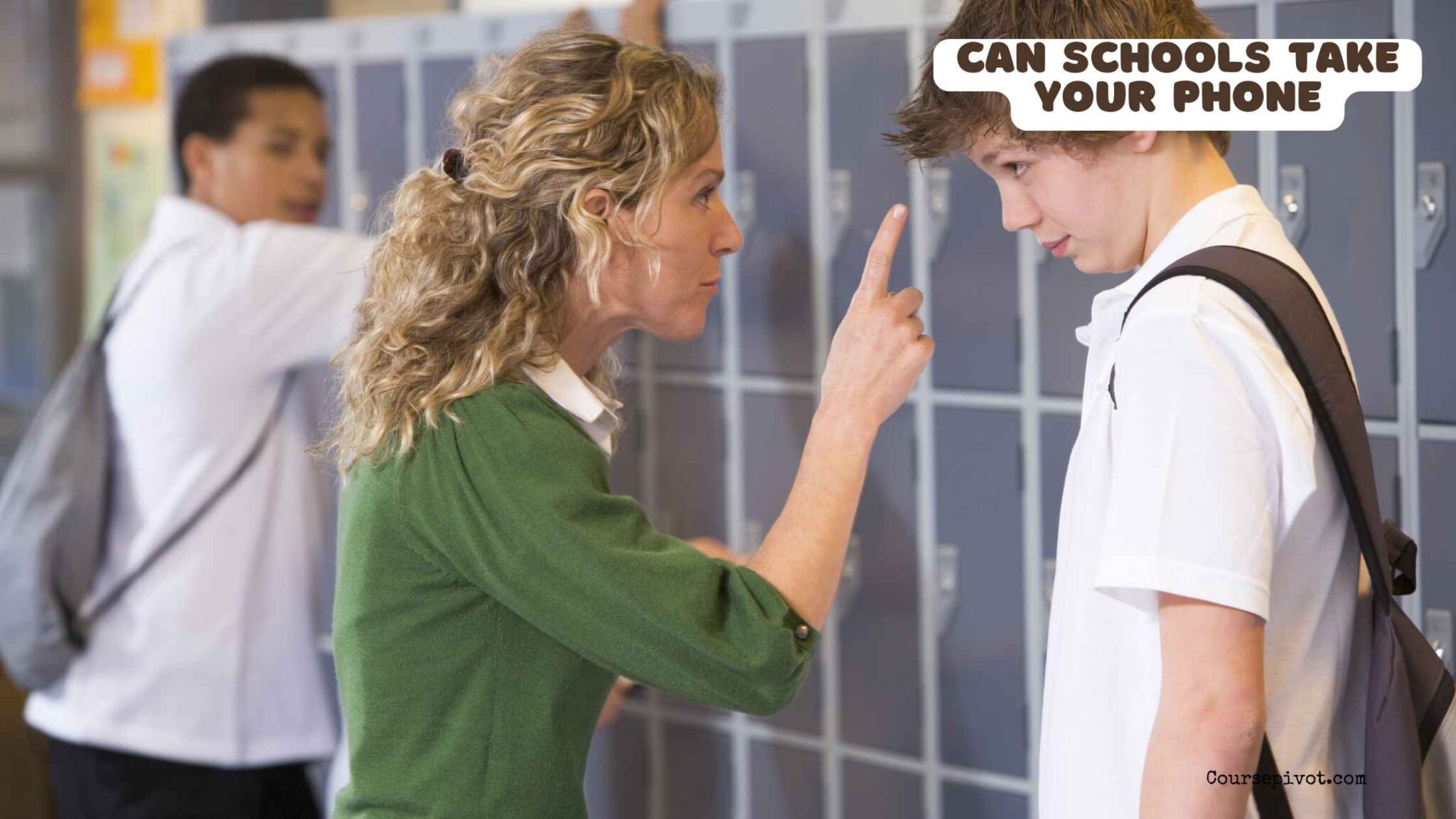
Yes, schools can often take your phone if you violate a school rule about phone use. For example, if your school handbook says phones must be off and put away during class, a teacher or administrator may be allowed to confiscate your phone for the rest of the class period or school day.
But taking a phone is not the same as searching a phone. Confiscation, return rules, privacy rights, emergency access, and disability accommodations can all be separate issues. The exact answer depends on your state, district, school handbook, whether the school is public or private, and the reason the phone was taken.
In most cases, a school may take a phone to enforce a reasonable rule, but it does not automatically have the right to search through your messages, photos, apps, or private data.
Schools Can Usually Enforce Phone Rules
Schools have authority to maintain order, reduce distractions, protect learning time, and enforce student conduct rules. Because of that, many schools can limit when and where students use phones.
Common rules include no phones during class, phones in lockers, phones kept in bags, phones placed in classroom pockets, or phones turned off from the first bell to the last bell. If a student breaks the rule, the school may take the phone temporarily as discipline.
This is why reading the student handbook matters. The handbook usually explains when phones are allowed, when they can be confiscated, who can pick them up, and whether repeated violations lead to stronger consequences.
Public Schools and Private Schools May Be Different
Public schools are government institutions, so constitutional protections such as the Fourth Amendment can matter when school officials search students or their belongings. However, students have reduced privacy expectations at school compared with adults in many other settings.
Private schools usually operate more through enrollment contracts, parent agreements, and school handbooks. A private school may have strict phone policies if families agreed to them, though state law and basic property rules can still matter.
Because rules vary so much, two students in different states or different schools may face different outcomes for the same phone violation.
Taking a Phone Is Different From Searching It
This is the most important distinction. A teacher taking a visible phone because it is disrupting class is one issue. A school official opening the phone and reading texts, scrolling photos, checking social media, or searching apps is a much bigger privacy issue.
The U.S. Supreme Court has recognized that cell phones contain deeply private information. In Riley v. California, the Court held that police generally need a warrant to search a phone seized during an arrest. That case involved police, not ordinary school discipline, but it shows why phone searches are treated differently from searching a backpack or desk.
For public school searches, the older school-search rule from New Jersey v. T.L.O. allows school searches based on reasonableness rather than the same warrant standard used for police. Still, a phone search should usually be connected to a specific suspected rule violation or safety concern, not simple curiosity.
When a School Might Search a Phone
A school may have stronger grounds to inspect a phone if there is a specific and reasonable suspicion that the phone contains evidence related to a serious school rule violation, threat, bullying, harassment, cheating, illegal activity, or immediate safety concern.
For example, if administrators receive credible information that a student used a phone to threaten another student, organize a fight, share explicit images, cheat on an exam, or harass someone, they may argue that a limited search is justified.
Even then, the search should be limited to what is relevant. Searching one message thread related to a threat is different from browsing every photo, app, and private conversation.
How Long Can a School Keep Your Phone?
Many schools return phones at the end of class, the end of the day, or after a parent or guardian picks them up. Some schools increase consequences for repeated violations.
Whether a school can keep a phone overnight or charge a fee depends on state law, district policy, and the handbook. Some states and districts have specific rules. Others leave more discretion to the school.
If the phone is not returned according to policy, the student or parent should calmly ask for the written rule, the reason for the delay, and the person responsible for returning it.
What About Emergencies, Medical Needs, and Disability Plans?
Many phone policies include exceptions for emergencies, health needs, disability accommodations, translation needs, or documented educational purposes. A student may need a phone for diabetes monitoring, a medical alert app, assistive technology, family emergency access, or an Individualized Education Program or Section 504 Plan.
If a student needs a phone for medical or disability reasons, the family should make sure the need is documented with the school. Do not wait until the phone is confiscated during a conflict.
If a teacher takes a phone that is required for an accommodation, the student should calmly explain the accommodation and ask to involve the nurse, counselor, case manager, administrator, or parent.
What Should Students Do if a Phone Is Taken?
Do not grab it back, argue aggressively, or escalate the situation in the classroom. That can turn a phone issue into a discipline issue.
Instead, ask calmly when and where the phone can be picked up. If the school tries to search it, you can respectfully ask what rule or safety concern justifies the search and request that a parent or guardian be contacted.
If you believe the phone was taken unfairly, write down what happened: date, time, teacher, location, what was said, whether the phone was searched, and when it was returned. Then follow the school’s appeal or complaint process with a parent or guardian.
Can Schools Punish Phone Use Outside School?
Sometimes, but the rules are more limited. If a student uses a phone off campus for private speech, a public school may have less authority to punish it. In Mahanoy Area School District v. B.L., the Supreme Court said schools have some ability to regulate off-campus speech, but that authority is more limited than on-campus authority.
However, off-campus phone use can still become a school issue if it involves threats, harassment, bullying, cheating, disruption of school activities, or harm to other students.
This is another reason phone issues are complicated. The location, content, timing, impact, and school policy all matter.
Final Thoughts
Schools can often take your phone if you break a school phone rule, especially during class or exams. But confiscating a phone is different from searching its contents.
The safest approach is to know your school’s phone policy, follow it during class, and involve a parent or guardian if the school searches or keeps your phone in a way that seems improper.
For related reading, see 20 reasons why students should have phones in school and how to unblock websites on a school Chromebook.