

How Long Did My Eyebrow Piercing Take to Heal?
An eyebrow piercing may look calmer within weeks, but full healing often takes a few months and depends on aftercare, jewelry, irritation, and your body.
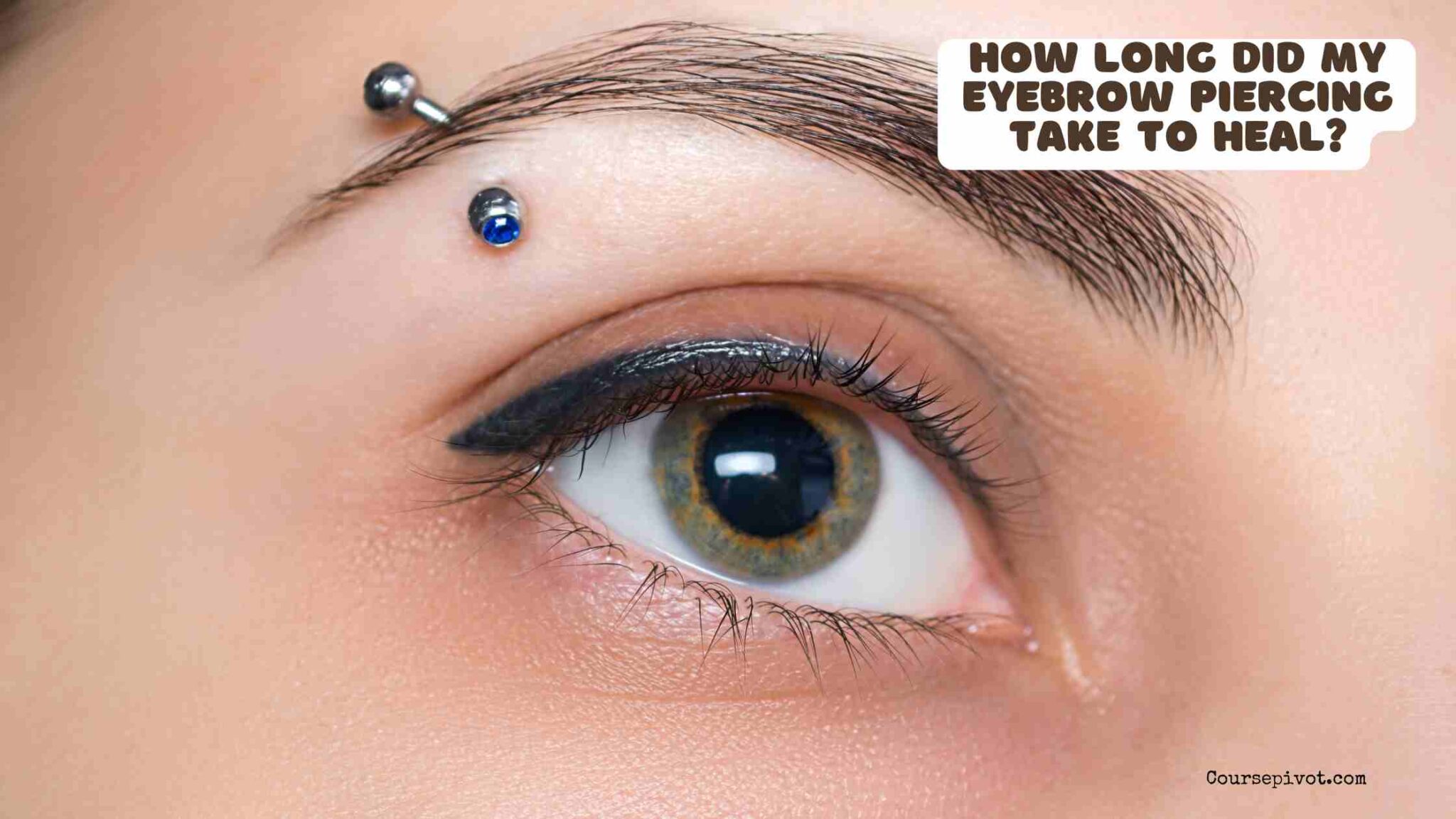
An eyebrow piercing can feel like it is healing quickly because the swelling often settles before the piercing is actually finished healing. That is where many people get confused. It may look fine on the outside while the channel inside the skin is still fragile.
For many people, an eyebrow piercing takes a few months to heal enough to feel stable. Some heal faster. Some take longer because of irritation, jewelry issues, sleeping pressure, makeup, hair products, infection, or accidentally bumping the piercing.
A typical eyebrow piercing may start feeling much better after the first few weeks, but full healing often takes around 2 to 4 months, and some piercings need longer.
The Short Answer
If you are asking, “How long did my eyebrow piercing take to heal?” the realistic answer is: it probably took longer than it looked like it took.
The early swelling, tenderness, and bruising may improve within days or weeks. But the piercing channel needs more time to mature. During that period, the piercing can still become irritated, sore, crusty, swollen, or unstable if it is touched too much or exposed to bacteria.
So, if your eyebrow piercing looked fine after three or four weeks, that does not always mean it was fully healed. It may simply have moved from the fresh wound stage into the quieter healing stage.
Eyebrow Piercing Healing Timeline
Healing is not identical for everyone, but this timeline gives a practical idea of what many people experience.
| Time after piercing | What may be normal | What to watch |
|---|---|---|
| First few days | Swelling, tenderness, redness, bruising, light bleeding | Severe pain, spreading redness, thick pus, fever |
| Weeks 1 to 3 | Crust, mild soreness, reduced swelling | Touching, twisting, makeup, hair products |
| Weeks 4 to 8 | Looks calmer, less tender, easier to forget | Snags, bumps, sleeping on it, changing jewelry too soon |
| Months 2 to 4 | More stable, less discharge, less sensitivity | Migration, recurring irritation, bumps |
| After several months | May be healed enough for jewelry changes | Do not force jewelry or leave it empty |
This is only a general guide. If your piercer gave you a different timeline based on your anatomy, jewelry, placement, or healing history, follow their advice.
Why It May Still Feel Tender After Weeks
An eyebrow piercing is a surface-area piercing through soft tissue near the brow. It sits in a place that moves when you raise your eyebrows, wash your face, sleep, change clothes, apply makeup, or brush hair away from your forehead.
That movement can keep the piercing sensitive even when it looks good.
Common reasons tenderness lasts include:
- Sleeping on the piercing
- Bumping it while washing your face
- Snagging it on towels or clothing
- Using makeup too close to the piercing
- Getting hair products in the area
- Touching or rotating the jewelry
- Wearing jewelry that is too tight or too long
- Having the jewelry changed too early
Healing tissue does not like drama. The less irritation you add, the easier it is for the piercing to settle.
What Normal Healing Can Look Like
Normal healing does not always look perfect. A new piercing is a small wound, so some reaction is expected.
Normal signs can include:
- Mild swelling
- Mild redness
- Tenderness
- Light bruising
- Clear or pale fluid
- Small crust around the jewelry
- Itching as healing progresses
- Occasional sensitivity after a bump
The key is that symptoms should gradually improve. A piercing that becomes less swollen, less painful, less red, and less crusty over time is usually moving in the right direction.
Do not pick crust off aggressively. Soften it during cleaning and let it come away gently. Picking can reopen tissue and introduce bacteria.
Signs It May Not Be Healing Well
Some symptoms suggest irritation, infection, allergy, migration, or another problem. You do not need to panic at every small bump, but you should pay attention to patterns.
Possible warning signs include:
- Increasing pain after the first few days
- Redness or darkness spreading outward
- Skin that feels hot around the piercing
- Thick yellow, green, or foul-smelling discharge
- Heavy swelling that does not improve
- Fever, chills, or feeling unwell
- Jewelry sinking into the skin
- The piercing hole stretching or moving
- Skin between the entry and exit holes becoming thinner
- A bump that keeps growing or bleeding
The NHS lists swelling, heat, pain, redness or darkening, pus, and feeling unwell as signs that a piercing may be infected. If you have those symptoms, especially fever or spreading redness, get medical advice.
How to Care for an Eyebrow Piercing
Good aftercare is boring, and that is the point. The goal is to keep the area clean without irritating it.
Basic aftercare habits include:
- Wash your hands before touching the area.
- Clean gently with sterile saline or a wound-wash saline product.
- Follow your piercer’s instructions on cleaning frequency.
- Do not use alcohol, hydrogen peroxide, iodine, or harsh products.
- Avoid makeup directly on the piercing while it heals.
- Keep hair products and face creams away from the holes.
- Pat dry with clean disposable material if needed.
- Avoid swimming pools, hot tubs, lakes, and rivers while healing.
- Do not twist, rotate, or play with the jewelry.
Mayo Clinic advises cleaning skin piercings twice daily and avoiding harsh products because they can injure pierced skin. The Association of Professional Piercers also emphasizes patience and keeping the piercing clean throughout the healing period.
When Can You Change Eyebrow Jewelry?
Do not change eyebrow jewelry just because the piercing looks calm. Changing jewelry too early can tear the healing channel, introduce bacteria, or restart irritation.
You are usually better off having the first jewelry change or downsizing done by a professional piercer. They can check whether the angle looks stable, whether the bar length is appropriate, and whether the tissue is ready.
Signs you may not be ready for a jewelry change include:
- Tenderness when the jewelry moves
- Fresh crust every day
- Swelling
- Bleeding
- A bump near the piercing
- Discharge that is not clear or pale
- Skin that looks thin or stretched
Also remember that healed piercings can shrink or close quickly when jewelry is removed. The Association of Professional Piercers notes that even healed piercings can shrink or close in minutes for some people.
What Slows Down Healing
Some people heal slowly because the piercing is constantly irritated. Others have health or lifestyle factors that affect tissue repair.
Healing may take longer because of:
- Poor sleep
- Frequent touching
- Smoking or vaping
- Poor nutrition
- Stress
- Medical conditions that affect healing
- Certain medications
- Infection
- Jewelry allergies
- Low-quality jewelry
- Trauma from snagging or impact
If you want a broader explanation of why tissue repair can slow down, the guide on factors delaying wound healing explains common issues such as nutrition, infection, circulation, and repeated irritation.
Should You Remove It If It Looks Infected?
Do not automatically remove the jewelry if you think the piercing is infected. Removing jewelry can sometimes allow the surface to close while infection remains trapped inside.
Instead, contact a healthcare professional or a reputable professional piercer for guidance. If symptoms are severe, spreading, or accompanied by fever, prioritize medical care.
Get help quickly if:
- The pain is worsening
- Redness or swelling is spreading
- You see thick pus
- You feel feverish or unwell
- The jewelry is embedding
- The piercing appears to be rejecting
- The skin between the holes is getting very thin
This is especially important because the eyebrow is close to the eye. Do not ignore swelling, infection signs, or pain spreading toward the eye area.
How to Know It Is Fully Healed
A healed eyebrow piercing is usually calm and stable for a sustained period, not just for one good day.
Signs of better healing include:
- No pain during normal facial movement
- No recurring swelling
- No bleeding
- No daily crust
- No heat around the piercing
- No spreading redness or darkness
- Jewelry sits comfortably
- The piercing does not flare up after gentle cleaning
Even then, be careful. The piercing can still become irritated if you change jewelry roughly, use poor-quality metal, sleep on it, or remove jewelry for too long.
Final Thoughts
An eyebrow piercing may look better within a few weeks, but full healing usually takes longer. For many people, the practical healing window is around 2 to 4 months, with some piercings needing more time depending on aftercare, irritation, jewelry, and individual healing.
The safest approach is to keep it clean, avoid touching it, stay away from harsh products, and let a professional piercer handle early jewelry changes. If you notice spreading redness, heat, pus, severe swelling, fever, or pain near the eye, get medical advice instead of waiting it out.
Healing is not just about how the piercing looks in a mirror. It is about whether the tissue stays calm, stable, and comfortable over time.