

Is It Possible to Sneeze with Your Eyes Open?
Yes, it is possible to sneeze with your eyes open, but most people close their eyes automatically because of an involuntary reflex.
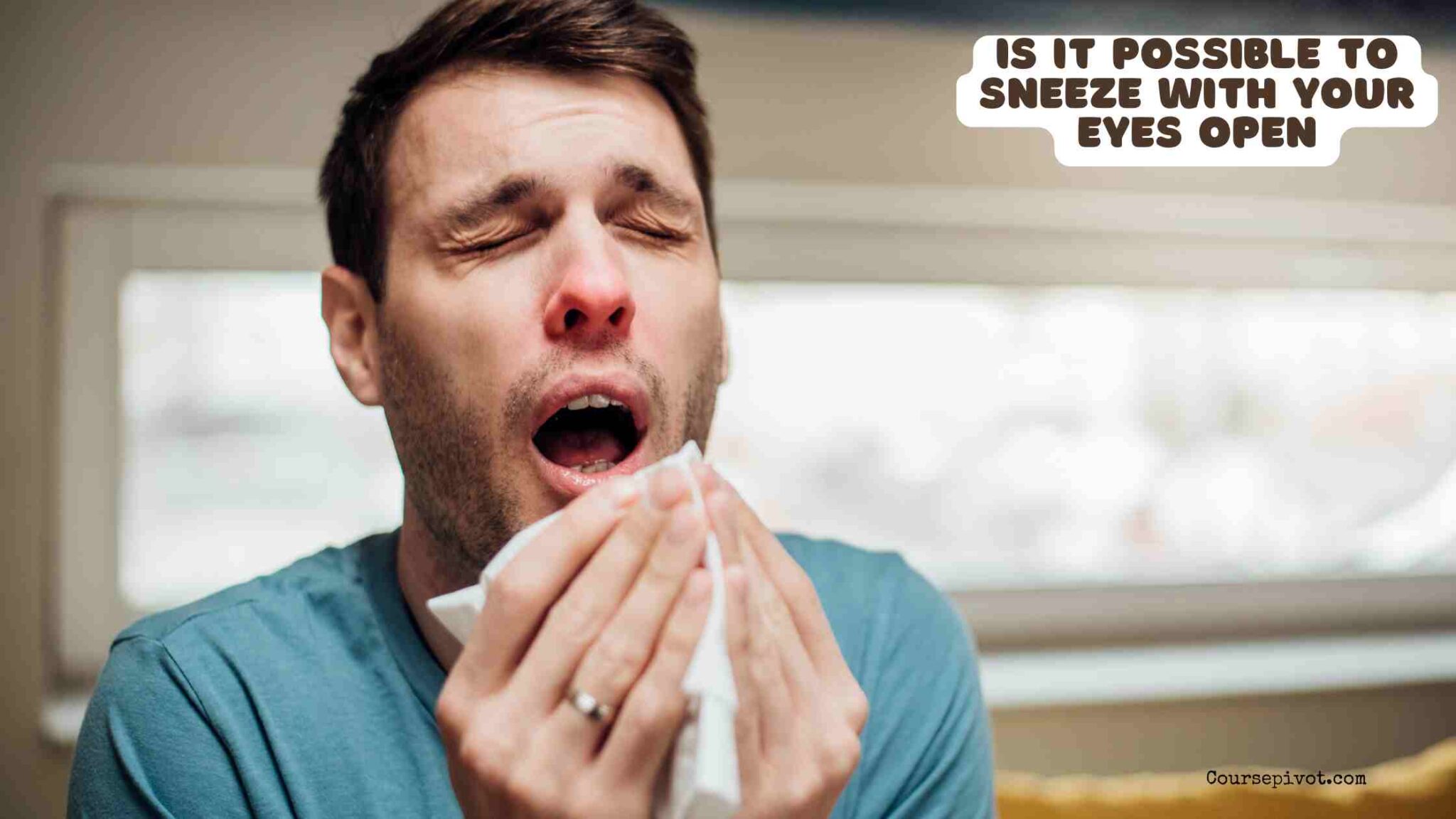
Yes, it is possible to sneeze with your eyes open, but it is difficult for most people because eye closing is part of the body’s automatic sneeze response. When a sneeze starts, the body coordinates muscles in the chest, throat, face, nose, mouth, and eyelids. That is why your eyes usually squeeze shut before the sneeze comes out.
Sneezing with your eyes open will not make your eyeballs pop out. That old warning is a myth.
Still, there is no good reason to force your eyes open during a sneeze. The body closes them automatically, and letting the reflex happen is usually the easiest and most comfortable choice.
The Short Answer
It is possible to sneeze with your eyes open. Some people can do it naturally, and others may be able to do it by consciously trying to keep their eyelids open.
However, most people blink or close their eyes when they sneeze because the sneeze reflex is automatic. You may think you kept your eyes open, but the blink can happen so quickly that you do not notice it.
The important point is that eye closing during a sneeze is common, but not absolutely required. If someone sneezes with their eyes open, that does not mean something is wrong with them.
Why Do Your Eyes Close When You Sneeze?
Sneezing is a reflex. A reflex is an automatic response your body makes without needing careful thought. You do not have to plan each part of a sneeze. Your nervous system handles it.
A sneeze usually begins when something irritates the inside of the nose. Common triggers include dust, pollen, pepper, viruses, smoke, strong smells, cold air, or sudden bright light in people with the photic sneeze reflex.
Once the sneeze reflex starts, the body prepares to push air out quickly. The chest muscles, diaphragm, throat, face, and eyelids may all become involved. The eyelids close because the nerves and muscles involved in sneezing create a broader facial reflex.
Scientists do not have one perfect explanation for why eye closure became part of the sneeze response. It may help protect the eyes from particles, or it may simply be connected to the involuntary muscle contractions of the face.
Will Your Eyes Pop Out If You Sneeze with Them Open?
No. Your eyes will not pop out if you sneeze with them open.
This myth probably survived because sneezing feels powerful. A sneeze can create pressure in the face and head, so it is easy to imagine that the eyes need protection from that pressure. But your eyeballs are held securely in the eye sockets by tissues, muscles, and connective structures.
The pressure from a normal sneeze is not enough to eject your eyes. Doctors and medical educators have repeatedly explained that this claim is not supported by evidence.
That said, you should not try to hold in a sneeze forcefully. Holding a sneeze in by blocking your nose and mouth can trap pressure in a way that may irritate the ears, sinuses, throat, or blood vessels. Letting the sneeze out safely is better.
Is It Bad to Try Sneezing with Your Eyes Open?
For most healthy people, accidentally sneezing with eyes open is unlikely to cause harm. But deliberately forcing your eyes open is unnecessary.
The body closes the eyes automatically for a reason, even if that reason is not fully understood. Fighting the reflex may feel uncomfortable, and you may still blink despite trying not to.
If you are simply curious, it is enough to know the answer without turning it into a challenge. Your eyes are safe, but your body is also allowed to do the easy reflexive thing.
If you have an eye condition such as glaucoma, recent eye surgery, severe eye pain, or a history of eye trauma, it is wise to avoid anything that creates unnecessary pressure or strain and to follow your eye doctor’s advice.
Why Sneezes Feel So Powerful
A sneeze is the body’s way of clearing irritants from the nose and airway. It can feel dramatic because it involves a sudden buildup and release of pressure.
Before a sneeze, you often take a deep breath. Then muscles contract and air is pushed out through the nose and mouth. The face may tense, the eyes close, the head may move forward, and the sound can be loud.
Sneezing can also spread droplets, especially when a person is sick. That is why it is polite and safer to sneeze into a tissue or your elbow, wash your hands, and avoid sneezing directly into the air around other people.
This connects with general health habits. Small behaviors, such as covering coughs and sneezes, washing hands, and staying home when very sick, help reduce the spread of infections.
Common Sneezing Myths
Sneezing has many myths because it is sudden, loud, and a little mysterious.
One myth is that your heart stops when you sneeze. A sneeze can briefly affect pressure and rhythm sensations in the chest, but your heart does not simply stop in the dramatic way people imagine.
Another myth is that everyone must close their eyes when sneezing. Most people do, but it is not impossible to sneeze with eyes open.
A third myth is that sneezing means you are definitely sick. Sneezing can happen because of allergies, dust, bright light, cold air, spices, fragrances, or irritation. Illness is only one possible cause.
A fourth myth is that holding in sneezes is polite and harmless. It may seem polite, but forcefully suppressing a sneeze can create uncomfortable pressure. It is better to sneeze into a tissue or elbow.
When Sneezing Might Need Medical Attention
Occasional sneezing is normal. Repeated sneezing can also be normal during allergy season, after exposure to dust, or when you have a cold.
Consider medical advice if sneezing is severe, persistent, or comes with symptoms such as:
- Trouble breathing
- Wheezing
- High fever
- Severe sinus pain
- Facial swelling
- Bloody nasal discharge
- Eye pain or vision changes
- Symptoms that last for weeks without improvement
If allergies are the cause, a clinician may recommend avoiding triggers, saline rinses, antihistamines, nasal sprays, or allergy testing. If infection symptoms are present, the right care depends on whether the cause is viral, bacterial, or something else.
What to Do When You Sneeze
The best sneeze habit is simple: let the sneeze out, but cover it safely.
Use a tissue if you have one, throw it away, and wash or sanitize your hands. If you do not have a tissue, sneeze into your elbow rather than your hands. Try not to sneeze directly toward other people, food, shared desks, phones, or keyboards.
If you are sneezing from allergies, notice patterns. Triggers may include pets, pollen, dust, mold, fragrances, smoke, or cleaning products. Reducing exposure can help more than trying to stop every sneeze by force.
If you sneeze because of bright light, you may have the photic sneeze reflex. Sunglasses, hats, or looking away from sudden bright sunlight may help.
Final Thoughts
It is possible to sneeze with your eyes open, but most people close their eyes automatically because sneezing is a reflex involving many facial muscles. The old idea that your eyeballs will pop out is not true.
The healthier lesson is not to fight your body over a sneeze. Let the reflex happen, cover your mouth and nose safely, wash your hands when needed, and pay attention only if sneezing becomes persistent or comes with concerning symptoms.