

When Did My Baby Start Teething?
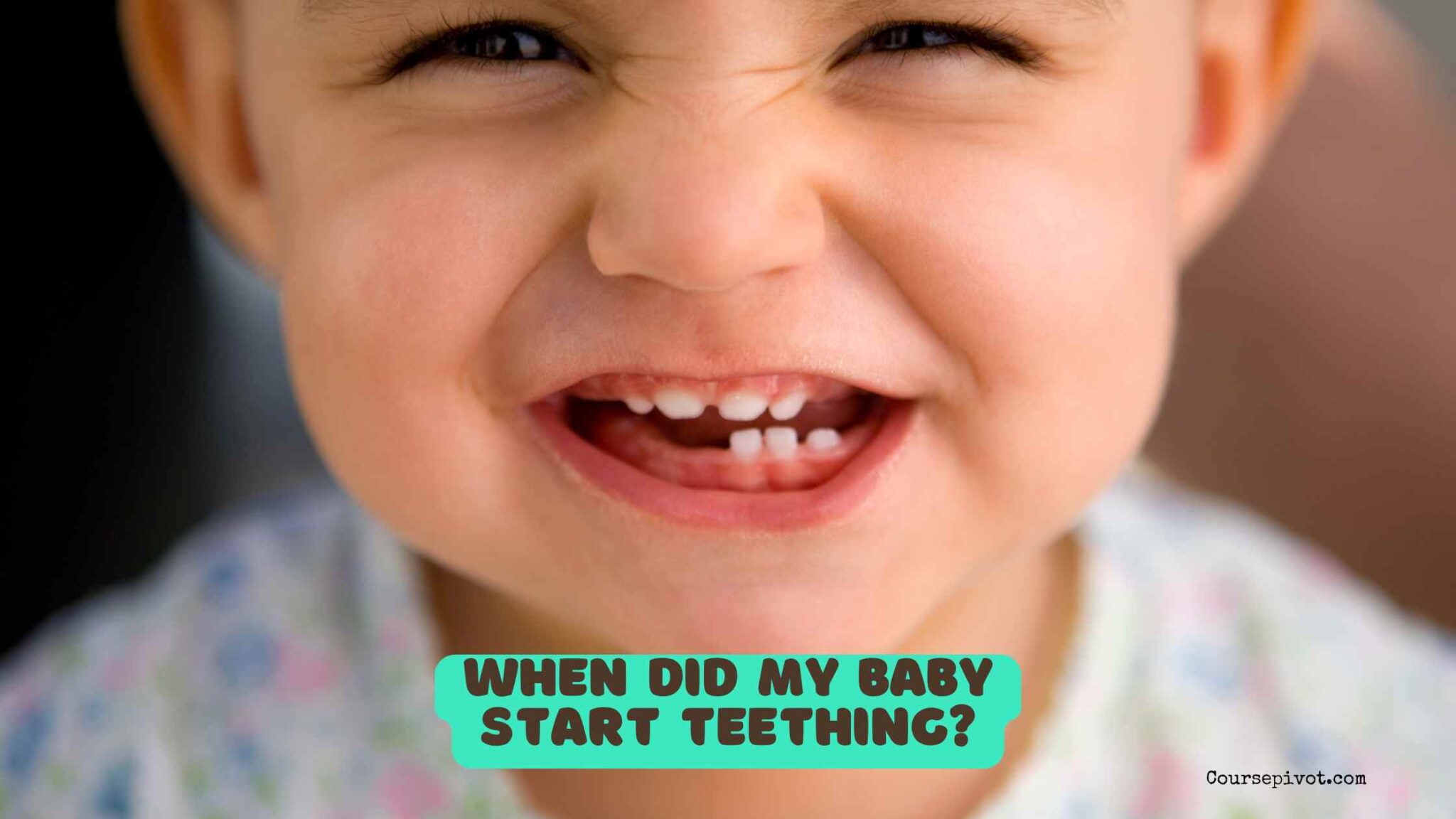
One of the most common questions new parents ask is when to expect teething — and why their baby seems so miserable for reasons they cannot immediately identify. The short answer is that teething typically begins between 4 and 7 months of age, but the range is wide, the signs are easy to confuse with other things, and the timeline varies significantly from baby to baby.
Q: Is something wrong if my baby hasn’t started teething by 12 months? A: Not necessarily. While most babies get their first tooth between 4 and 7 months, some perfectly healthy babies don’t cut their first tooth until 12 to 14 months. Delayed teething often runs in families. If your baby has no teeth by 18 months, mention it to your pediatrician — it is rarely a problem but worth discussing.
Teething is one of those developmental milestones that seems simple but generates a lot of parental anxiety — especially when a fussy, drooling, sleep-disrupted baby arrives and the cause isn’t immediately obvious. Here is everything you need to know about the teething timeline, what to watch for, and how to help.
1. The Typical Teething Timeline
Teething does not happen all at once. Babies develop 20 primary (baby) teeth in stages, and the process typically continues until around age 3.
General teething timeline by tooth type:
| Teeth | Typical Age of Eruption |
|---|---|
| Lower central incisors (bottom front) | 6–10 months |
| Upper central incisors (top front) | 8–12 months |
| Upper lateral incisors | 9–13 months |
| Lower lateral incisors | 10–16 months |
| First molars (top and bottom) | 13–19 months |
| Canines (top and bottom) | 16–23 months |
| Second molars (top and bottom) | 23–33 months |
The two bottom front teeth almost always appear first, followed by the two top front teeth — which is why the classic image of a baby’s first smile shows just those four teeth. Molars tend to cause the most discomfort because of their larger surface area breaking through the gum.
Every baby follows their own schedule. A baby who gets their first tooth at 4 months and a baby who gets it at 12 months can both be completely normal.
2. Early Signs That Teething Has Begun
Teething symptoms often begin several weeks before the tooth actually breaks through the gum — which is why parents are sometimes caught off guard when no tooth is visible yet but the baby is clearly uncomfortable.
Common teething signs:
- Increased drooling — more than usual, often soaking bibs and clothing
- Chewing on everything — hands, toys, furniture edges, your shoulder
- Swollen, red, or tender gums — visible as a raised bump or redness where a tooth is emerging
- Fussiness and irritability — especially in the days immediately before a tooth breaks through
- Disrupted sleep — including babies who previously slept well waking more frequently
- Pulling at ears — because teething pain can radiate from the jaw toward the ear
- Decreased appetite — soreness makes feeding uncomfortable for some babies
The drooling that accompanies teething is real and significant — it can also cause a mild rash around the mouth, chin, and neck from skin constantly being wet. Gently patting dry and applying a small amount of baby-safe barrier cream helps.
3. What Teething Does NOT Cause
This is one of the most important things new parents need to know: many symptoms commonly blamed on teething are not actually caused by it.
Teething does not cause:
- Fever above 100.4°F (38°C) — a true fever during teething is from an illness, not the teething itself
- Diarrhea — loose stools are not a reliable sign of teething and should not be attributed to it
- Severe, inconsolable crying — significant distress warrants a call to your pediatrician
- Runny nose or respiratory symptoms — these are signs of illness, not teething
Research has consistently shown that teething produces localized gum discomfort and increased drooling but does not cause systemic illness symptoms. If your baby has a fever, diarrhea, or significant respiratory symptoms during what you assume is a teething period, treat it as illness and consult your pediatrician rather than attributing everything to teething.
4. How to Soothe a Teething Baby
The discomfort of teething is real, and there are several safe, effective ways to provide relief.
Safe teething remedies:
- Chilled (not frozen) teething rings — cold reduces gum inflammation and numbs discomfort. Refrigerate, do not freeze, to avoid injuring the gums
- Gentle gum massage — clean your finger and rub the gum firmly where the tooth is emerging; counter-pressure can reduce pain
- Chilled washcloth — a damp, refrigerated clean washcloth to chew on provides both cold relief and something to gnaw on
- Teething toys — firm rubber or silicone teethers designed for safe chewing
- Over-the-counter pain relief — infant acetaminophen (Tylenol) or ibuprofen (for babies over 6 months) can be used for significant discomfort. Always follow weight-based dosing instructions from your pediatrician
What to avoid:
- Teething gels containing benzocaine — the FDA advises against benzocaine products for children under 2 due to risk of methemoglobinemia
- Amber teething necklaces — pose serious choking and strangulation hazards with no proven benefit
- Frozen teething rings — too hard and cold; can damage delicate gum tissue
Amber teething necklaces are widely marketed but have been flagged as dangerous by pediatricians and the FDA — they do not relieve teething pain and pose a genuine safety risk to infants and toddlers.
5. Teething and Sleep Disruption
Teething is one of the most common explanations parents give for sudden sleep regression — and while it is a real factor, it is worth understanding its actual scope.
Teething discomfort is typically most acute in the 3–5 days around when a tooth breaks through the surface. During that window, nighttime waking increases because discomfort that is manageable during the stimulation of daytime becomes harder to ignore at night.
However, not every sleep disruption is teething. The 4-month sleep regression, 8-month separation anxiety, illness, developmental leaps, and changes in routine all disrupt infant sleep — and teething often gets blamed for all of them. If sleep disruption lasts more than a week without a tooth appearing, it is worth considering other causes.
6. First Dental Visit and Early Oral Care
The American Academy of Pediatric Dentistry recommends a first dental visit by the time the first tooth appears, or by the child’s first birthday — whichever comes first. Early dental visits are brief, low-stress, and primarily educational — the dentist checks for early decay, reviews oral hygiene, and answers parent questions.
Oral care before and during teething:
- Before teeth appear: wipe gums with a clean, damp cloth after feedings
- Once the first tooth erupts: brush twice daily with a soft-bristled infant toothbrush and a rice grain-sized smear of fluoride toothpaste
- At 3 years: transition to a pea-sized amount of fluoride toothpaste
Starting early habits pays long-term dividends. Baby teeth matter — they hold space for permanent teeth and affect speech development, nutrition, and confidence. Tooth decay in baby teeth can progress quickly and cause significant pain if untreated.
Understanding your baby’s developmental milestones — teething included — is part of the attentive parenting that shows up in many forms over the years. The same vigilance that helps you recognize a teething timeline also helps when recognizing signs that an elderly parent needs help much later in life — because paying close attention to the people you care for is a habit that never stops being valuable.