

Why Are My Hands Always Cold?
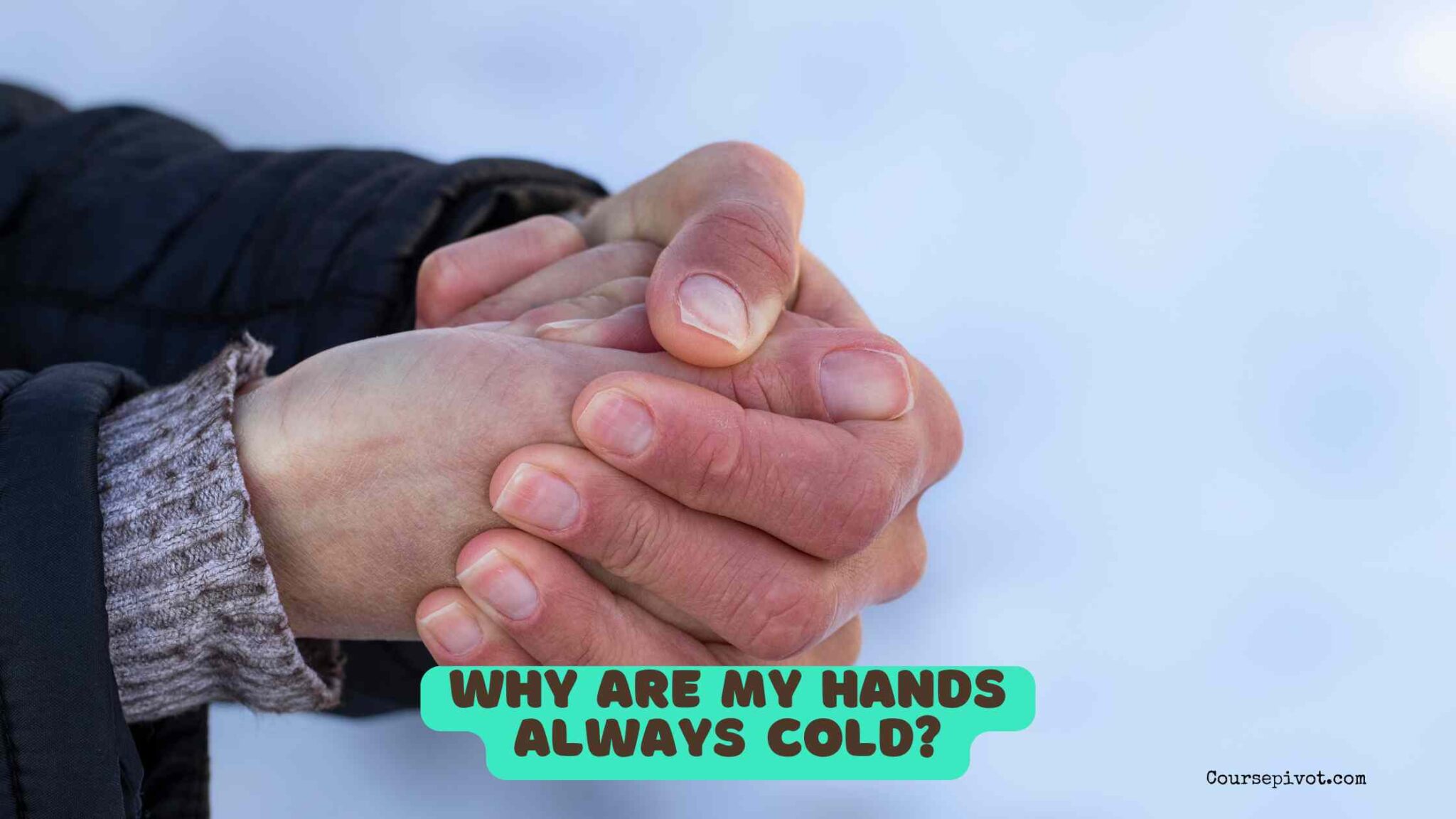
Cold hands are among the most universally relatable physical complaints — and also among the most commonly dismissed. Most people who mention persistently cold hands to a doctor are told it is probably just their circulation, offered a shrug, and sent home. In the majority of cases, that answer is essentially correct. But “probably just circulation” encompasses a range of distinct mechanisms, some of which point toward underlying conditions that are worth identifying and treating.
Understanding why your hands are always cold depends on which part of the system is failing: heat generation, blood flow regulation, blood composition, or nervous system signalling. Different causes produce cold hands through different pathways and respond to different interventions, which is why knowing the likely cause matters even when the symptom itself is not dangerous.
Q: Are cold hands a sign of heart problems? A: In most people, persistently cold hands are not a sign of serious cardiac disease. The most common causes — Raynaud’s phenomenon, anaemia, hypothyroidism, low blood pressure, and anxiety — are benign or easily treated. However, cold hands combined with other cardiovascular symptoms such as chest pain, shortness of breath, leg swelling, or cold and painful feet may warrant cardiac or vascular assessment. Cold hands in isolation, particularly in a young and otherwise healthy person, are rarely a cardiac concern.
1. Why Your Hands Feel Cold: The Basic Physiology
Your body maintains a core temperature of approximately 37°C (98.6°F) by carefully managing blood flow. When your core temperature needs to be preserved — in cold environments, during stress, or when the body perceives any threat — the sympathetic nervous system triggers vasoconstriction: the narrowing of blood vessels in the extremities, particularly the fingers, toes, ears, and nose.
By reducing blood flow to the periphery, your body keeps warm blood circulating around vital organs. This is a highly effective thermal regulation strategy. It is also why your hands bear the brunt of any circulatory adjustment — they are the most peripheral part of your circulation and the first to receive less blood when the body diverts resources inward.
This mechanism explains why almost everyone has cold hands in genuinely cold environments. What distinguishes people with persistently cold hands is that their vasoconstrictive response is either more sensitive, more easily triggered, more prolonged, or impaired in its return to baseline — even in ambient temperatures that do not feel cold to others.
The peripheral temperature of your hands is therefore not a simple reflection of ambient temperature but a composite output of heat production, autonomic nervous system tone, blood vessel reactivity, blood composition, and cardiac output. Each of those variables can be disrupted by specific underlying causes.
2. Raynaud’s Phenomenon: The Most Common Specific Cause
Raynaud’s phenomenon is the most frequently identified specific cause of persistently cold hands and the condition most worth knowing about if your cold hands are accompanied by colour changes. In Raynaud’s, the small blood vessels in the fingers (and sometimes toes, ears, and nose) overreact to cold temperatures or emotional stress with an exaggerated vasoconstrictive response that dramatically reduces blood flow to the affected area.
The classic presentation is a three-phase colour sequence: white (blanching as blood flow stops), then blue (cyanosis as residual blood loses oxygen), then red (reactive hyperaemia as blood flow returns and the tissue flushes). Not everyone experiences all three phases clearly, and many people with Raynaud’s experience only pallor and cold without dramatic colour changes. The episodes typically last minutes to half an hour and may be accompanied by numbness, tingling, or mild pain.
Raynaud’s affects an estimated 5–10% of the population, with significantly higher rates in women and in people living in colder climates. The vast majority of cases are primary Raynaud’s — an exaggerated but structurally normal vasoconstrictive response with no underlying disease. A minority are secondary Raynaud’s, which is associated with connective tissue diseases such as scleroderma, lupus, and rheumatoid arthritis, as well as with certain medications (beta-blockers, some chemotherapy drugs, decongestants) and occupational vibration exposure.
Raynaud’s phenomenon affects an estimated 5–10% of the population and is the most common reason for persistently cold, colour-changing hands — yet it remains widely undiagnosed because its episodic nature means many people never mention it to a doctor, or mention it and are not told it has a name and can be managed.
Primary Raynaud’s is managed with lifestyle adjustments: keeping hands warm, avoiding sudden cold exposure, avoiding smoking (nicotine is a potent vasoconstrictor), and reducing caffeine. For more severe cases, calcium channel blockers such as nifedipine reduce vasoconstriction frequency and severity significantly. Secondary Raynaud’s requires treating the underlying condition.
3. Anaemia and Low Iron
Anaemia — insufficient red blood cells or haemoglobin to carry adequate oxygen — is a common and frequently overlooked cause of cold hands and general thermal discomfort. People with anaemia often feel cold at temperatures that others find comfortable, and their hands and feet are typically among the coldest parts of their body.
The mechanism is twofold. First, haemoglobin carries oxygen, and oxygen metabolism is the primary source of cellular heat production. When tissues receive less oxygen, they produce less heat. Second, the cardiovascular response to anaemia — reduced blood viscosity and altered flow dynamics — changes the quality of peripheral perfusion even when blood flow volume is maintained.
Iron deficiency anaemia is the most common nutritional deficiency worldwide and the most common form of anaemia. It is particularly prevalent among people who menstruate heavily, people with restrictive diets, and people who have recently been pregnant. A simple full blood count and iron studies from a routine blood test identifies it definitively, and iron supplementation typically resolves cold intolerance within weeks of restoring iron stores.
Other forms of anaemia — B12 deficiency, folate deficiency, and less commonly other causes — produce the same cold hand pattern through the same mechanism. B12 deficiency is common in people following a vegan or strict vegetarian diet and in people over 50 with declining intrinsic factor production.
4. Hypothyroidism
The thyroid gland regulates metabolic rate — the speed at which your cells burn fuel and generate heat. Hypothyroidism, in which the thyroid produces insufficient thyroid hormone (primarily T3 and T4), slows cellular metabolism and reduces the body’s baseline heat production.
Cold intolerance is one of the cardinal symptoms of hypothyroidism, appearing on nearly every diagnostic symptom checklist alongside fatigue, weight gain, constipation, dry skin, hair loss, and depression. Hands and feet are typically the most affected areas because peripheral circulation depends on adequate cardiac output and vasomotor tone, both of which are subtly impaired in hypothyroid states.
Hypothyroidism affects approximately 1–2% of the general population and is significantly more common in women over 40. Subclinical hypothyroidism — mildly elevated TSH with normal T4 and nonspecific symptoms — is more prevalent still, estimated at 4–10% of the population, and may produce cold intolerance before other symptoms become obvious.
Diagnosis is through a TSH (thyroid-stimulating hormone) blood test — the standard first-line screen that most GPs will include in a routine blood panel requested for cold intolerance. Treatment with levothyroxine (synthetic T4) effectively normalises thyroid function and resolves cold intolerance in the majority of cases.
5. Low Blood Pressure and Poor Peripheral Circulation
Blood pressure determines the driving force that pushes blood through the peripheral circulation. When blood pressure is chronically low — a condition called hypotension — the pressure head available to perfuse peripheral tissues is reduced, and the extremities receive less blood flow than in a person with normal pressure.
Constitutionally low blood pressure is common in young, slender, physically fit people and is generally not a health concern — it is associated with lower cardiovascular risk over the long term. However, in symptomatic form (cold hands, dizziness on standing, fatigue, light-headedness), it warrants attention and sometimes management.
Dehydration is a common and underappreciated contributor to functional hypotension and cold extremities. When circulating blood volume drops due to inadequate fluid intake, the body maintains central blood pressure by reducing peripheral perfusion — the hands are among the first tissues to receive less flow. Many people with chronically cold hands are simply not drinking enough water.
Peripheral artery disease (PAD) — narrowing of the arteries supplying the limbs — is a more serious vascular cause of cold hands, though it more commonly affects the legs than the arms. PAD in the upper limbs is less common but worth considering in older adults with risk factors for atherosclerosis (smoking, diabetes, hypertension, elevated cholesterol) who develop new cold hand symptoms.
6. Anxiety, Stress, and the Autonomic Nervous System
The sympathetic nervous system — the “fight or flight” arm of the autonomic nervous system — triggers vasoconstriction in the periphery as part of its stress response. This is why people’s hands turn cold and clammy immediately before a stressful event, during anxiety, or when startled.
In people with chronic anxiety or dysregulated autonomic nervous system tone, this vasoconstriction is not acute and time-limited but persistent and baseline-elevated. The hands are chronically colder because the sympathetic nervous system is chronically more active, chronically directing blood away from the periphery and toward the muscles and core.
This is an underappreciated mechanism because most conversations about anxiety focus on psychological symptoms — worry, catastrophising, difficulty relaxing — rather than somatic ones. But the somatic symptoms of chronic anxiety are extensive and include cold extremities, sweating, rapid heart rate, digestive disruption, and muscle tension. For some people, cold hands are one of the first or most persistent physical markers of anxiety they notice.
Chronic anxiety elevates baseline sympathetic nervous system tone, maintaining the same peripheral vasoconstriction that produces the cold hands of acute stress as a persistent low-level state — meaning cold hands can be a somatic marker of anxiety in people who do not consciously identify as anxious or who primarily notice physical rather than psychological symptoms.
Management of anxiety-driven cold hands follows from anxiety management: aerobic exercise, which recalibrates autonomic tone over weeks of regular practice, is among the most reliably effective interventions. Breathing techniques that activate the parasympathetic (rest and digest) nervous system — particularly slow, prolonged exhalation — produce measurable increases in peripheral hand temperature in the short term by shifting autonomic balance away from sympathetic dominance.
7. When Cold Hands Are Worth Investigating Further
Most persistently cold hands do not require urgent investigation. But certain patterns warrant a clinical review:
Routine blood work is worthwhile if:
- Your cold hands are accompanied by fatigue, weight changes, hair loss, or mood changes (thyroid screen)
- You menstruate heavily, follow a restrictive diet, or are over 50 (iron and B12 screen)
- You have not had a routine blood panel in over two years
Consider a GP appointment if:
- Your hands change colour (white → blue → red) in response to cold or stress — this is Raynaud’s and can be formally assessed and managed
- Cold hands are accompanied by joint pain, skin changes, or difficulty swallowing — these may suggest a connective tissue disease causing secondary Raynaud’s
- You are over 50 and developing new cold hand symptoms alongside cardiovascular risk factors
Seek prompt assessment if:
- One hand is significantly colder than the other (asymmetric cold) — this can indicate arterial narrowing on one side
- Cold hands are accompanied by chest pain, leg swelling, or shortness of breath
- You develop skin ulcers or tissue damage on the fingertips — this occurs in severe secondary Raynaud’s and requires specialist input
For most people under 40 with bilaterally cold hands and no other symptoms, a basic blood panel covering full blood count, thyroid function, and iron studies covers the most likely treatable causes and provides reassurance about the remainder. If everything comes back normal and cold hands remain a persistent nuisance, primary Raynaud’s or constitutionally elevated sympathetic tone are the most likely explanations — neither dangerous, both manageable with lifestyle measures.
Cold hands that feel unsettling are often just the body’s normal circulatory prioritisation working correctly. Understanding the mechanism helps distinguish the majority of benign cases from the minority worth investigating further — the same principle that applies to many common physical symptoms. 10 genuine reasons not to worry about cancer offers a grounded framework for evaluating whether physical symptoms warrant concern, and why I feel like I have to pee every 5 minutes applies a similar approach to another common symptom that generates disproportionate anxiety relative to its typical causes.