

Why Place a Person in the Recovery Position If Not Fully Awake
A person who responds but is not fully awake may be placed in the recovery position to help keep the airway open and reduce choking or aspiration risk while waiting for help.
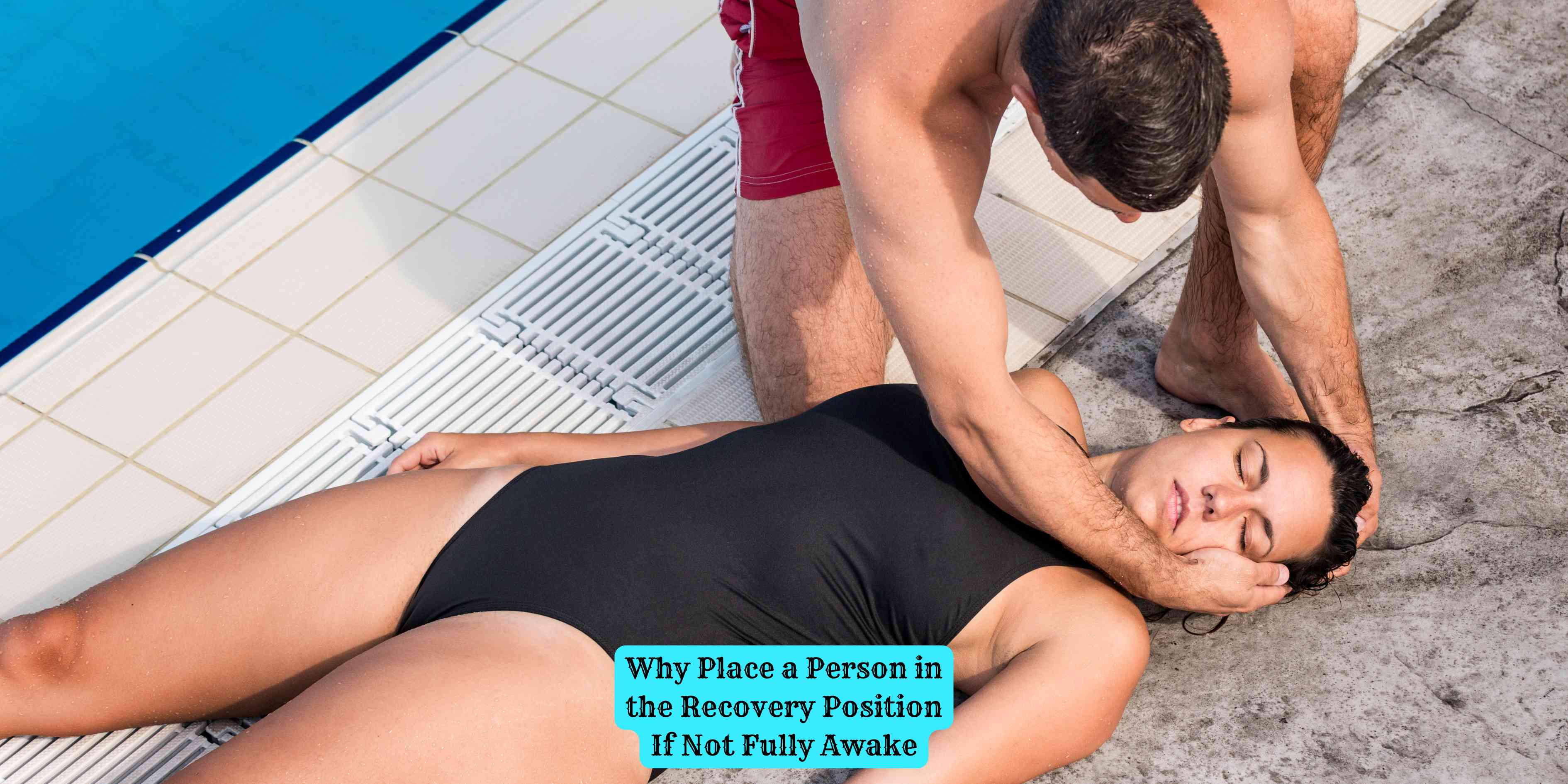
A person who responds but is not fully awake should be placed in the recovery position when they are breathing normally and do not need CPR. The recovery position helps keep the airway open and reduces the chance that saliva, vomit, or other fluid will block the airway.
This situation can happen after fainting, seizure, alcohol or drug intoxication, heat illness, low blood sugar, a minor collapse, or another medical event. The person may groan, move, answer briefly, or react to your voice, but still be too drowsy, confused, or weak to sit safely.
The recovery position is used for someone who is breathing but not fully alert because it helps protect the airway while you monitor them and wait for emergency help.
This article is educational and does not replace first-aid training. If someone is not fully awake, has abnormal breathing, has a possible head or spine injury, or you are unsure what to do, call emergency services.
The Short Answer
Place a person in the recovery position if they respond but are not fully awake, are breathing normally, and do not need CPR. This position rolls the person onto their side so the airway is less likely to be blocked by the tongue, saliva, or vomit.
Before placing someone in the recovery position, check:
- Is the scene safe?
- Do they respond to voice or touch?
- Are they breathing normally?
- Is there no obvious need for CPR?
- Is there no serious head, neck, back, or major injury concern?
- Has emergency help been called if needed?
If the person is not breathing normally, do not place them in the recovery position as a substitute for CPR. Start CPR and use an AED if available.
If the person is breathing but not fully awake, the recovery position can help keep them safer while you watch their breathing and wait for help.
What the Recovery Position Does
The recovery position places a person on their side with the head positioned so the airway can stay open. It is commonly used for someone who is unresponsive but breathing or responsive but not fully awake.
When a person becomes very drowsy or partly unconscious, the muscles relax. The tongue can fall backward and narrow the airway. Saliva, blood, or vomit can also collect in the mouth or throat.
Lying flat on the back may make these problems worse. Side positioning allows fluid to drain from the mouth more easily and can reduce the risk of choking or aspiration.
Aspiration means fluid, vomit, or other material enters the airway or lungs. This can cause choking, breathing problems, or later lung infection.
The recovery position does not treat the underlying cause. It is a protective first-aid position used while you monitor the person and wait for medical help when needed.
When to Use It
Use the recovery position when a person is breathing normally but cannot stay fully awake, alert, or safely upright.
Examples may include someone who:
- Responds briefly but keeps drifting off
- Is very drowsy after fainting
- Is confused after a seizure
- Is intoxicated and cannot sit safely
- Is vomiting or likely to vomit
- Is too weak to protect their airway
- Is unresponsive but breathing normally
Call emergency services if the cause is unclear, the person does not become fully alert quickly, breathing changes, the person may have taken drugs or alcohol, there was a seizure, there was an injury, or symptoms seem serious.
This is especially important if the person has chest pain, severe headache, weakness on one side, trouble speaking, blue or gray lips, repeated vomiting, low blood sugar concerns, or signs of overdose.
For severe breathing concerns, this guide on possible signs of difficulty breathing explains warning signs that need urgent attention.
When Not to Use It
Do not use the recovery position when the person is not breathing normally. If breathing is absent, gasping, or abnormal, start CPR and call emergency services.
Do not move the person unnecessarily if you suspect a serious head, neck, back, or spinal injury, unless you must move them to protect their airway or escape danger. If a person fell from a height, was in a car crash, was hit hard, or has neck or back pain, wait for emergency guidance if possible.
Do not use the recovery position as a way to ignore the person. It is not a set-it-and-leave-it step. You must keep checking breathing and responsiveness.
Do not assume sleepiness is harmless. Someone who is difficult to wake may have a serious medical problem, including overdose, stroke, head injury, infection, low blood sugar, alcohol poisoning, or other emergencies.
If you are unsure whether the person needs urgent care, call emergency services. Dispatchers can guide you.
How to Place Someone in the Recovery Position
First, check that the scene is safe. Then check responsiveness and breathing. If the person is breathing normally but not fully awake, call for help if needed and prepare to roll them.
A common recovery-position method is:
- Kneel beside the person
- Place the arm closest to you at a right angle
- Bring the far arm across the chest with the back of the hand near the cheek
- Bend the far knee
- Roll the person toward you onto their side
- Tilt the head slightly back to help keep the airway open
- Adjust the top leg so the person does not roll onto the stomach
- Keep checking breathing
Do not force the body into an awkward position. Move gently and watch for signs of pain or injury.
If the person vomits, make sure the mouth can drain. If breathing changes, roll them onto the back only if needed for CPR and begin CPR immediately.
Why Not Fully Awake Is Risky
Someone who is not fully awake may not be able to protect their airway. A fully alert person can usually cough, swallow, sit up, or move if they feel fluid in the throat. A very drowsy or confused person may not react in time.
This is why the recovery position is used even when the person shows some response. The person may be responsive enough to groan or open their eyes but not awake enough to stay safe on their back.
Not fully awake can also signal an underlying emergency. The person may be experiencing low oxygen, low blood sugar, poisoning, stroke, seizure recovery, head injury, or another serious condition.
The recovery position helps with airway protection, but it does not explain why the person is altered. That is why monitoring and emergency evaluation may still be necessary.
If the person became not fully awake after choking or breathing trouble, this article on care for an unresponsive choking person may help connect the emergency-care steps.
Keep Monitoring the Person
After placing someone in the recovery position, stay with them. Check breathing often. Look for chest movement, listen for breath sounds, and notice whether breathing becomes noisy, slow, irregular, or absent.
Watch skin color. Blue, gray, pale, or ashen coloring can be a warning sign. Watch for vomiting, seizure activity, worsening confusion, or failure to wake.
Keep the person warm and comfortable. Do not give food, drink, medication, or alcohol. If they are confused or drowsy, they may not swallow safely.
If emergency services are on the way, tell responders what happened, when it started, what you observed, and whether the person took alcohol, drugs, medication, or had a medical condition.
If the person becomes fully awake, keep them resting until help arrives or until you are sure they are safe. Sudden collapse or altered alertness should not be brushed off.
Common Mistakes to Avoid
One mistake is placing someone in the recovery position without checking breathing. Breathing must be checked first. If they are not breathing normally, they need CPR.
Another mistake is leaving the person alone. The recovery position reduces some airway risk, but it does not guarantee safety.
A third mistake is giving water or food. A person who is not fully alert may choke or vomit.
Another mistake is assuming intoxication is not serious. Alcohol poisoning and drug overdose can be life-threatening. If someone is difficult to wake, vomiting, breathing slowly, turning blue, or acting dangerously confused, call emergency services.
It is also a mistake to ignore possible trauma. If the person fell, hit their head, or may have a spine injury, get emergency guidance before moving them unless airway or scene safety requires it.
Why First-Aid Training Helps
The recovery position looks simple, but emergencies rarely feel simple. Training helps you decide when to use it, when to start CPR, how to check breathing, and how to respond if the situation changes.
First-aid classes also teach how to manage choking, bleeding, seizures, fainting, shock, burns, allergic reactions, and cardiac arrest. These skills work together because real emergencies often involve more than one problem.
For example, a person may faint, vomit, and have abnormal breathing. Another person may choke, become unresponsive, and later start breathing again. Knowing how to move between steps matters.
If you supervise children, care for older adults, work in a school, coach sports, drive often, or live with someone with a medical condition, first-aid and CPR training are especially valuable.
Final Thoughts
A person who responds but is not fully awake should be placed in the recovery position if they are breathing normally and do not need CPR. The position helps keep the airway open and reduces the risk of choking on saliva or vomit.
But the recovery position is not a replacement for emergency care. Keep monitoring breathing, call for help when needed, and be ready to start CPR if breathing becomes abnormal or stops.
The safest approach is simple: check responsiveness, check breathing, call for help, protect the airway, and stay with the person.