

What Are Possible Challenges of Cyberbullying for Adolescents?
Cyberbullying can affect adolescents emotionally, socially, academically, physically, and mentally, especially when the harassment follows them across online spaces.
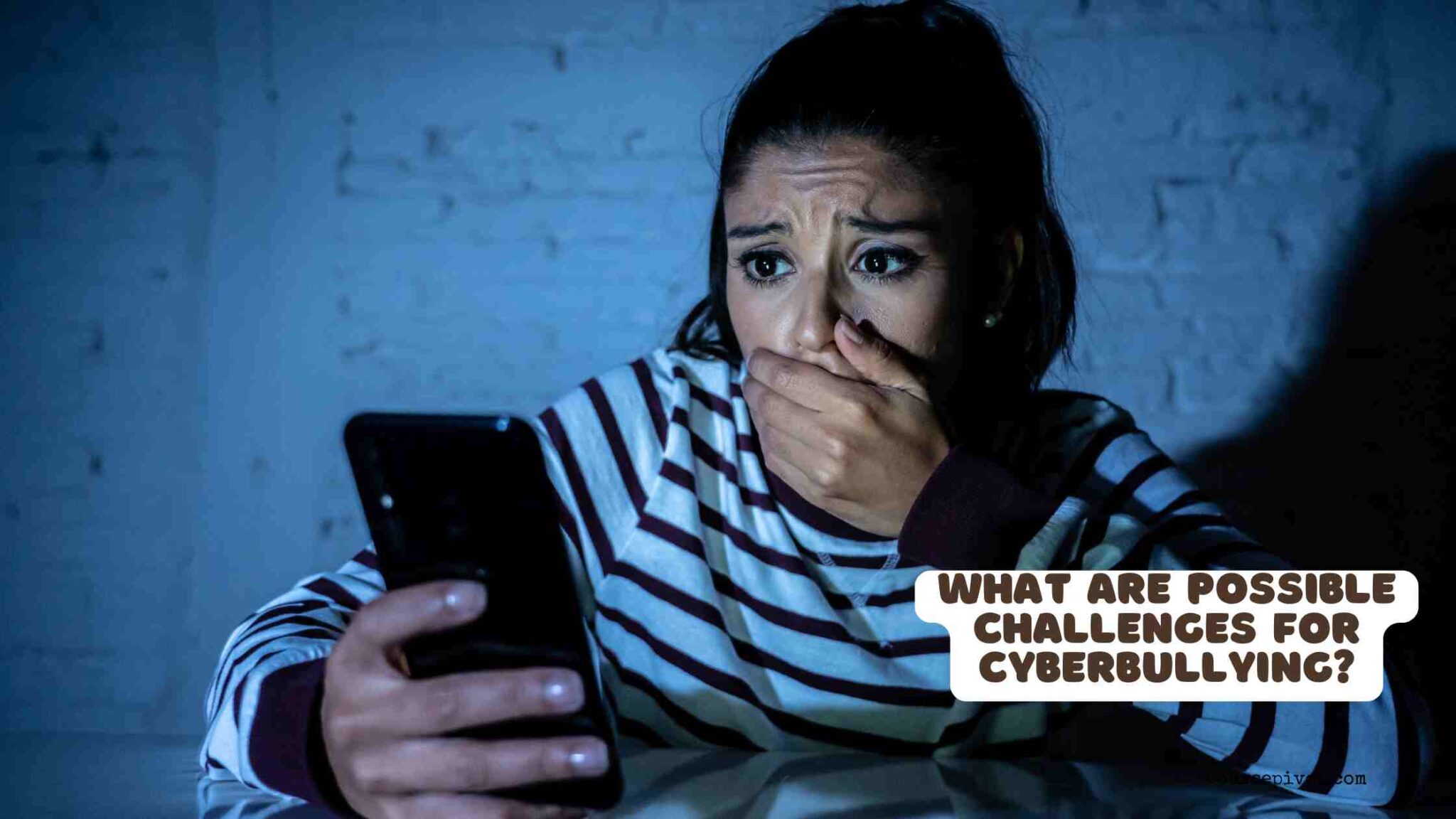
Cyberbullying can create serious challenges for adolescents because it reaches them through the devices, apps, games, group chats, and social platforms they often use every day. Unlike some in-person bullying, cyberbullying may continue after school, at night, on weekends, and during moments when a teenager is supposed to feel safe at home.
The possible challenges of cyberbullying for adolescents include anxiety, depression, shame, isolation, sleep problems, lower school performance, damaged friendships, safety concerns, and increased risk of self-harm in vulnerable teens.
Cyberbullying should be taken seriously, but it should also be handled carefully. The goal is not to panic, blame the adolescent, or take away all online connection without listening. The goal is to protect the teen, document what is happening, involve trusted adults, and reduce harm.
1. Emotional Distress
Cyberbullying can cause intense emotional distress because the messages, posts, images, or rumors may feel impossible to escape. A teen may feel embarrassed, angry, helpless, afraid, or humiliated.
The emotional impact can be especially strong when bullying happens in front of a large online audience. Even one cruel post can feel overwhelming if classmates, teammates, or strangers can like it, share it, comment on it, or save screenshots.
Some adolescents may replay the situation repeatedly in their minds. They may wonder who saw the post, who believes the rumor, or whether more messages are coming. That constant anticipation can keep the nervous system on alert.
Adults should avoid saying, “Just ignore it” or “Log off.” Those phrases can make a teen feel misunderstood. A better response is, “I am glad you told me. Let’s look at what happened and decide the safest next step.”
2. Anxiety and Depression
Cyberbullying is linked with higher risk of anxiety, depression, sadness, hopelessness, and loneliness. Not every teen who experiences cyberbullying will develop a mental health condition, but the risk is real.
Anxiety may show up as constant checking of the phone, fear of notifications, panic before school, stomachaches, irritability, or avoidance of social situations. Depression may show up as low mood, withdrawal, loss of interest, changes in sleep or appetite, tearfulness, or statements such as “Everyone hates me.”
The danger is that cyberbullying can make a teen’s world feel smaller. If school feels unsafe and online life feels unsafe, the adolescent may not know where to rest emotionally.
If cyberbullying is affecting mood, sleep, school, or safety, a parent, school counselor, pediatrician, therapist, or trusted adult should be involved. For broader context on digital life and mood, Coursepivot’s guide on whether social media causes depression explains why the relationship between online spaces and mental health is complex.
3. Social Isolation
Cyberbullying can damage friendships and make adolescents pull away from others. A teen may stop attending events, quit group chats, avoid school activities, or distance themselves from friends because they feel ashamed or unsafe.
Isolation can happen even when the teen has friends who care. They may worry that talking about the bullying will make it worse, that friends will not believe them, or that adults will respond by taking their phone away.
Some teens also stay silent because their online world is tied to belonging. Losing access to a game, group chat, or social platform may feel like losing their social life. That is why adults need to separate protection from punishment.
A helpful adult response might be: “We may need to block or report some accounts, but I am not here to punish you for being targeted. I want to help you stay connected safely.”
4. School Problems
Cyberbullying often affects school even when it happens outside school hours. If classmates are involved, the teen may dread seeing them in hallways, classrooms, sports, lunch, or after-school activities.
Possible school challenges include poor concentration, falling grades, missed assignments, school avoidance, skipping classes, discipline problems, or loss of interest in activities the student used to enjoy.
Students may also be afraid to participate in class if they think someone will record them, mock them, or turn an awkward moment into online content. This can reduce confidence and make learning feel risky.
Schools can help by documenting reports, enforcing bullying policies, supporting the targeted student, addressing the harmful behavior, and watching for retaliation. If phones are involved, school phone rules may also matter. Coursepivot’s article on whether schools can take your phone explains the basic idea that device rules often depend on safety, policy, and context.
5. Sleep and Physical Symptoms
Cyberbullying can affect the body, not only emotions. Stress can contribute to headaches, stomachaches, muscle tension, fatigue, appetite changes, and trouble sleeping.
Sleep problems are common because cyberbullying often happens through devices kept near the bed. A teen may stay awake checking messages, fearing another post, or trying to defend themselves in real time.
Lack of sleep can then make everything worse. It can reduce concentration, increase irritability, weaken coping skills, and make school feel harder.
Practical steps may include turning off notifications at night, moving the phone away from the bed, saving evidence before blocking, and making sure a trusted adult helps monitor the situation. The goal is not to isolate the teen, but to give their brain and body a break.
6. Reputation and Privacy Harm
Cyberbullying can involve rumors, edited images, private screenshots, impersonation, threats, unwanted sharing of personal information, or embarrassing content posted without consent.
For adolescents, reputation harm can feel devastating because identity and peer belonging are still developing. A rumor that adults might dismiss as temporary can feel permanent to a teen, especially if it appears in search results, screenshots, or group chats.
Privacy harm is also serious. Sharing someone’s location, phone number, private photos, secrets, or personal information can create safety risks. If sexual images of a minor are involved, adults should seek professional guidance immediately because there may be serious legal and child-safety issues.
Teens should be encouraged to protect privacy settings and think carefully before making public profiles. For a related digital safety topic, see how to make a public profile on Snapchat.
7. Fear of Reporting
Many adolescents do not report cyberbullying because they fear the response. They may worry adults will overreact, underreact, blame them, contact the wrong person, take away their phone, or make the bullying worse.
This fear is one of the biggest barriers to help. A teen may stay quiet until the situation becomes severe.
Adults can reduce this barrier by staying calm and asking before acting, unless there is immediate danger. Helpful questions include:
- “Do you feel physically safe?”
- “Who has seen this?”
- “Do you know who is involved?”
- “Do you want me to look at the messages with you?”
- “What are you most afraid will happen if we report it?”
The first conversation should build trust. Investigation and consequences can come after safety and support are in place.
8. Retaliation and Escalation
Cyberbullying can escalate quickly. A teen may respond angrily, others may join in, screenshots may spread, or the conflict may move across several platforms.
Retaliation can feel satisfying in the moment, but it often makes the situation harder to solve. A teen who sends threats, insults, or harmful posts back may also face school discipline or platform consequences.
The safer response is to document, block, report, and involve help. Evidence matters. Screenshots, usernames, dates, links, messages, and witness names can help schools, platforms, parents, or law enforcement understand what happened.
However, if there are threats of violence, stalking, extortion, sexual exploitation, or immediate danger, adults should contact emergency services or appropriate authorities right away.
9. Self-Harm and Safety Risks
Cyberbullying can increase risk for self-harm and suicidal thoughts, especially when a teen already feels isolated, depressed, targeted, or unsupported. This does not mean cyberbullying automatically causes suicide, but it can be one serious factor among many.
Warning signs may include talking about wanting to disappear, giving away possessions, sudden withdrawal, searching for ways to self-harm, saying others would be better off without them, or dramatic changes in mood after online activity.
Take these signs seriously. If a teen may harm themselves or someone else, seek immediate help. In the United States, call or text 988 for the Suicide & Crisis Lifeline, contact emergency services, or go to the nearest emergency department.
Do not leave a teen alone if there is immediate risk. Remove access to obvious means of harm when safe to do so, and stay with them until help arrives.
10. What Adolescents and Adults Can Do
The best response to cyberbullying is calm, documented, and supported. Adolescents should not have to solve it alone.
Useful steps include:
- Do not respond in anger.
- Save screenshots, links, usernames, dates, and messages.
- Block the account after evidence is saved.
- Report the content to the platform.
- Tell a trusted adult.
- Contact the school if classmates are involved.
- Ask for counseling support if the bullying affects mood, sleep, or safety.
- Contact law enforcement if there are threats, stalking, exploitation, or physical danger.
Parents and caregivers should listen before lecturing. Schools should respond with both accountability and support. Friends should avoid forwarding harmful content and should check on the targeted person privately.
Cyberbullying is not only an online behavior problem. It is a health, safety, and community problem.
Final Thoughts
Possible challenges of cyberbullying for adolescents include emotional distress, anxiety, depression, isolation, school problems, sleep disruption, physical symptoms, damaged reputation, privacy violations, fear of reporting, escalation, and safety risks.
The most protective response is connection. Teens need trusted adults who stay calm, take evidence seriously, support mental health, and act without blaming the person being targeted. Cyberbullying can do real harm, but early support can reduce that harm and help adolescents recover.